 NEXAURA STORES


 Sell on Nexaura
NEXAURA BUYING GUIDE
How to Build a Home Gym for Under £50 (UK Guide 2026)
You do not need a £500 power rack or a £40-a-month membership to train properly. Here is how to build a genuinely complete home gym for under £50 — and exactly what to buy first.
A typical UK gym membership costs somewhere between £25 and £50 a month — that is £300 to £600 a year before you factor in travel, joining fees and the months you pay but never go. Meanwhile, the fitness industry would love you to believe that effective training requires a squat rack, a cable station and a wall of dumbbells. It does not. With three well-chosen pieces of kit and a bit of floor space, you can train every major muscle group at home, on your own schedule, for less than the cost of a single month at most gyms.
This guide keeps it realistic: no gimmicks, no “one weird trick” gadgets, and nothing that will gather dust in a corner by February. Just the essentials, priced from the live Nexaura Stores catalogue, adding up to roughly £23 — well under our £50 ceiling.
The £50 home gym formula
A good home gym is built on three principles. First, resistance, not machines: muscles respond to tension, and that tension can come from bands, straps and your own bodyweight just as effectively as from iron plates. Second, full-body coverage: you need pushing, pulling, hinging and squatting movements, plus something for core. Third, zero friction: if your kit lives under the sofa and takes ten seconds to set up, you will use it. If it needs assembly, you will not.
Everything below passes those three tests. Here is the shopping list.
1. Resistance bands — your all-in-one gym ($3.99)
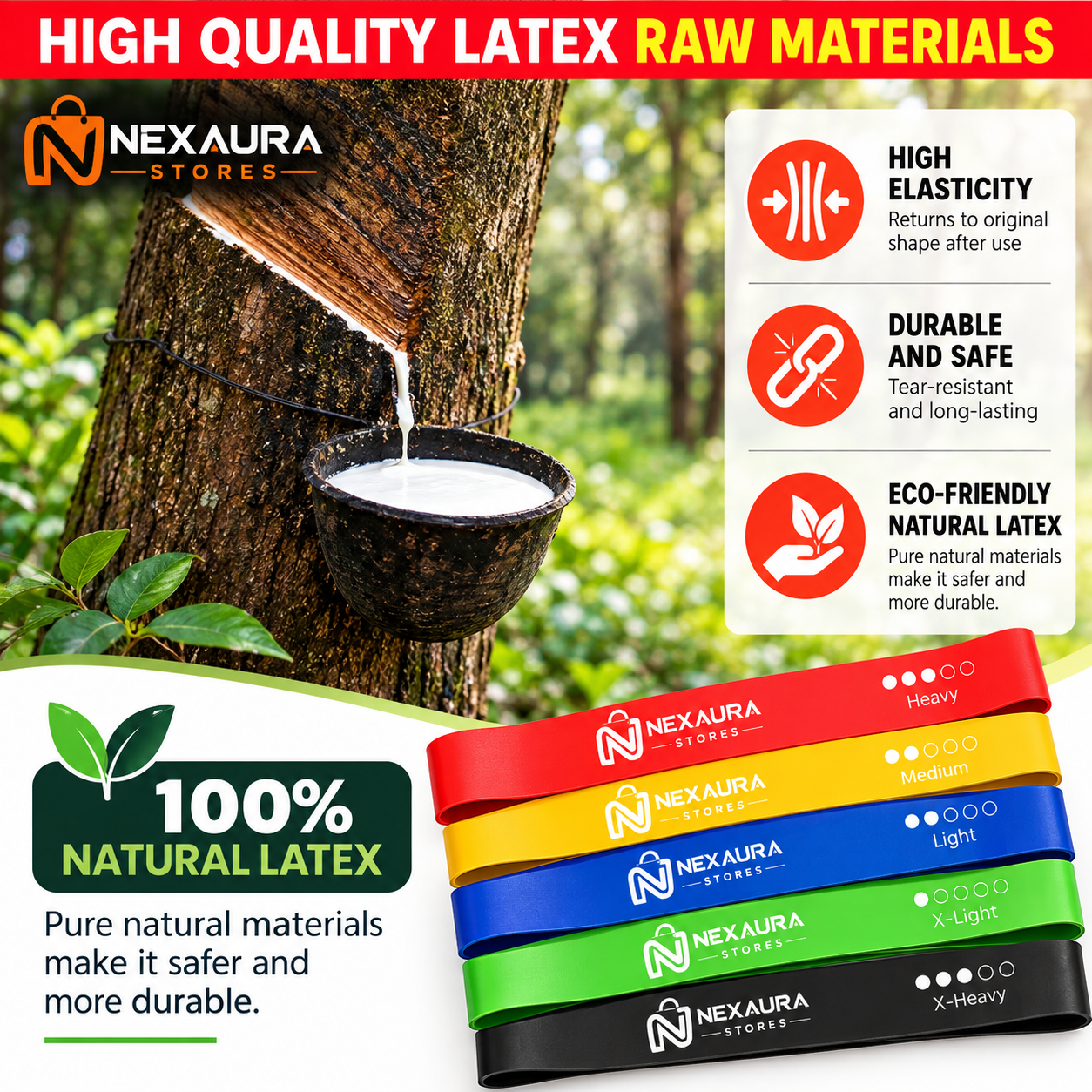
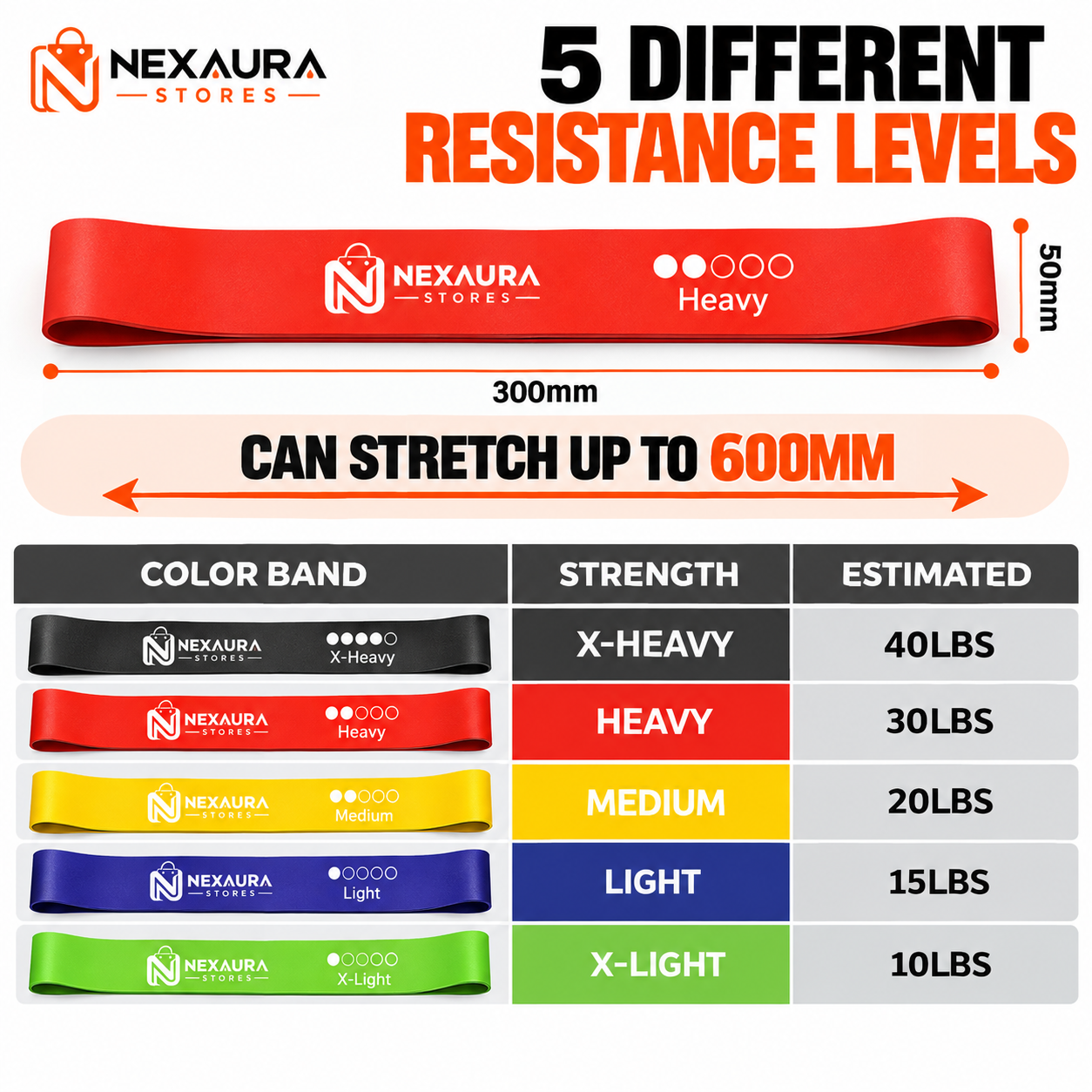
If you buy one thing for a home gym, make it a set of loop resistance bands. They are the single most versatile piece of budget fitness equipment ever made: a full set weighs less than a water bottle, costs less than a takeaway, and replaces a rack of dumbbells for most beginners and intermediates. Different band thicknesses give you different resistance levels, so you can progress from easy warm-ups to genuinely demanding work simply by switching bands or doubling them up.
Here is a sample of what one set unlocks:
- Upper body: chest press (anchored behind you), rows, bicep curls, overhead tricep extensions, lateral raises.
- Lower body: banded squats, Romanian deadlifts, glute bridges, clamshells, lateral walks for the hip stabilisers.
- Core: Pallof presses, woodchoppers, dead bugs with band tension.
Bands also shine for warm-ups and mobility work — the things most people skip at the gym. Loop one above your knees for glute activation before squats, or use a light band for shoulder dislocates and band pull-aparts to undo a day at the desk.
OUR PICK
Resistance Bands Exercise Set — $3.99
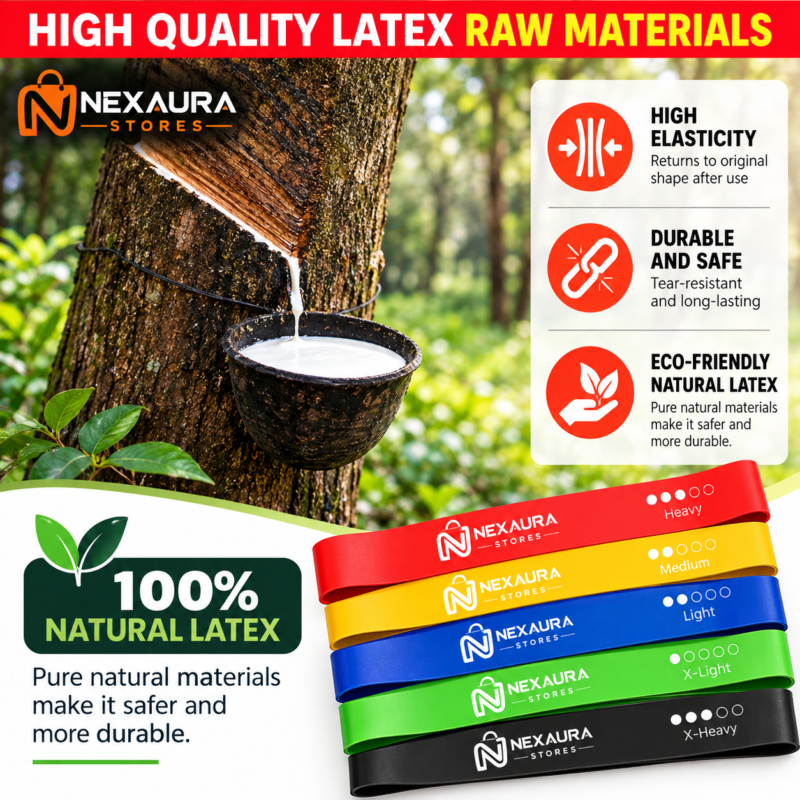
Natural latex loop bands in multiple resistance levels, sold as a set or as singles. Covers every exercise in this guide — from mobility warm-ups to full strength sessions. At under four dollars it is the best value-for-money training tool on the site, full stop.
2. Gym ankle straps — unlock lower-body training ($10.68)
Ask most people what their home gym is missing and the answer is legs. Upper-body training is easy with bands and press-ups; genuinely loading the glutes and hamstrings is harder. That is where ankle straps come in. These padded neoprene cuffs wrap around each ankle and clip onto a resistance band or cable, turning your bands into a surprisingly serious lower-body system.
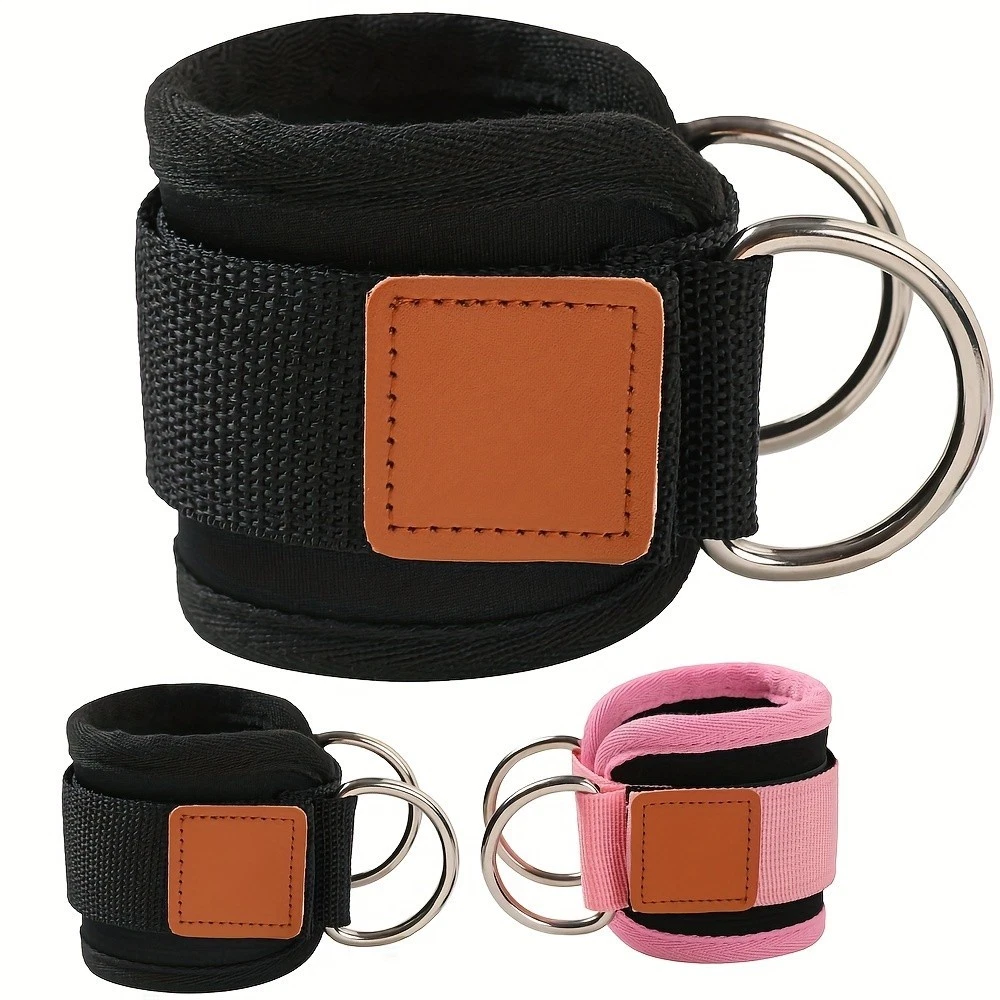
They are designed for cable machines, but the same idea works at home: anchor a band to a door anchor, a heavy table leg or even a closed door, clip on the strap, and you have cable kickbacks, standing hip abductions and hamstring curls — movements that are awkward or impossible with loop bands alone. The padding matters more than it sounds: bare straps dig in, padded ones let you load up properly and train hard. Adjustable cuffs mean one pair suits everyone in the house.
Pair them with your bands for a complete lower-body day: banded squats and Romanian deadlifts for the big movers, then strap kickbacks and abductions for the glutes. Your legs will not know you never bought a leg press.
3. Microfibre towel — the recovery essential ($16.03)
The least glamorous item on this list is also the one you will use every single session. A compact quick-dry microfibre towel handles sweat management (slippery hands on bands are a safety issue, not just an annoyance), doubles as a yoga-style mat wipe if you train on hard floors, and packs down small enough to live in your gym bag, suitcase or desk drawer.
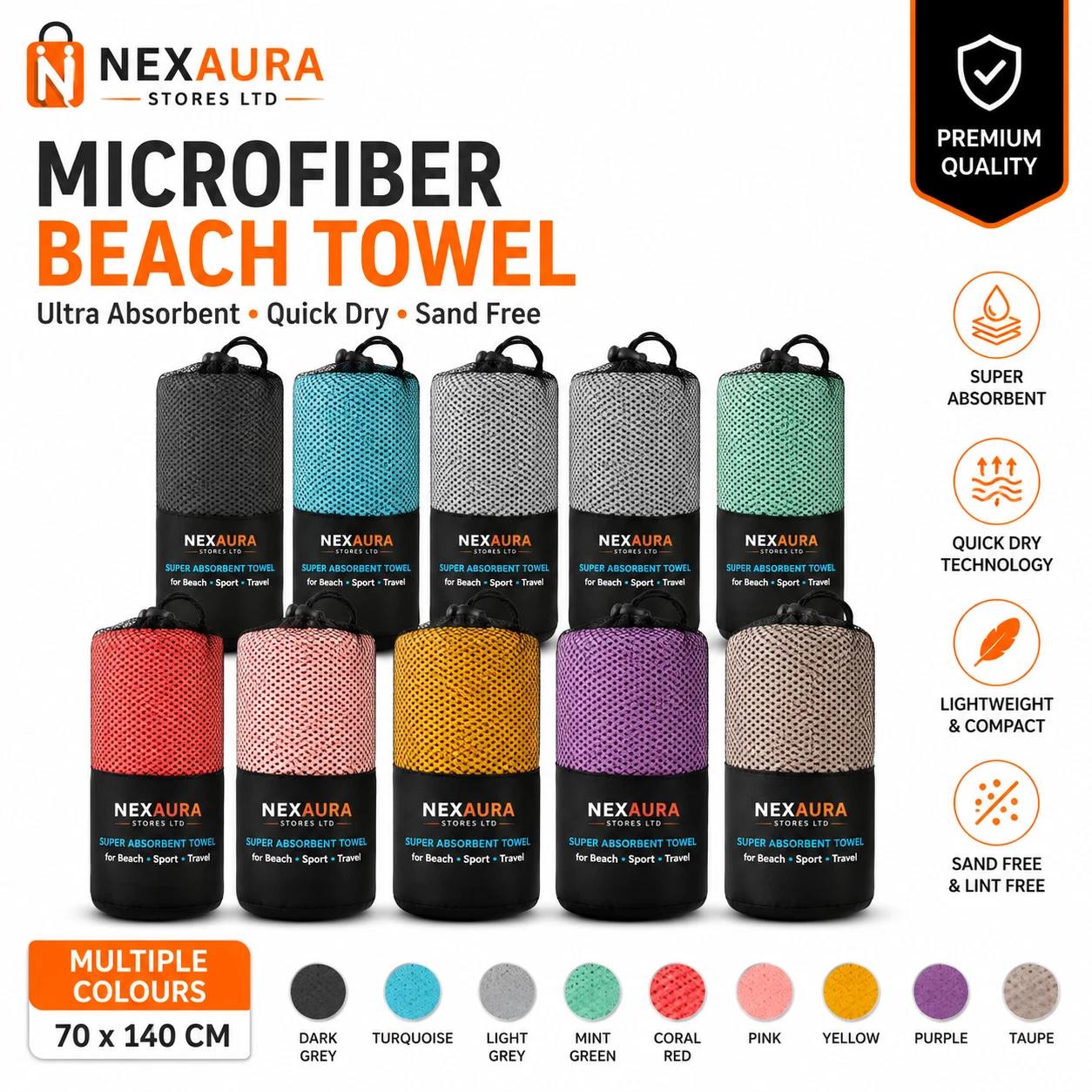
Why microfibre rather than a regular gym towel? It absorbs several times its own weight in water, dries far faster than cotton (no damp-towel smell in your bag), and stays compact when folded. If you ever take your training outdoors or on holiday, the same towel comes with you — it is sold as a travel and beach towel for exactly that reason. Think of it as the piece of kit that keeps the rest of your routine hygienic and comfortable.
The full kit, priced out
Here is the complete home gym, using the live prices on nexaurastores.com at the time of writing (shown in USD — the site’s default display; one click on the “Ship to” picker switches to GBP):
- Resistance bands set — $3.99. The all-in-one strength system.
- Gym ankle straps (padded pair) — $10.68. Lower-body and glute training.
- Microfibre quick-dry towel — $16.03. Hygiene, grip and recovery.
- Total: $30.70 — roughly £23, or less than a single month at most UK gyms.
That leaves you nearly £27 of headroom under the £50 budget. Spend it on a door anchor to expand your band exercises, a skipping rope for cardio, or simply bank the saving — the point is that the core gym is already complete.
A sample week with your £50 kit
Equipment is only half the battle — here is a simple three-day routine that uses everything above and takes about 30 minutes per session:
- Monday — upper body: banded chest press, band rows, bicep curls, overhead tricep extensions. 3 sets of 12–15 reps each, 60 seconds rest.
- Wednesday — lower body: banded squats, Romanian deadlifts with a heavy band, strap kickbacks, standing hip abductions. 3 sets of 12–15 reps.
- Friday — full body + core: a circuit of press-ups, band rows, banded squats, Pallof presses and glute bridges. 3 rounds, minimal rest.
Add a 10-minute walk or jog on the off days and you have a balanced weekly programme. When the bands start feeling easy, progress by using a thicker band, slowing the tempo (three seconds down on every rep), or adding a set. Progressive overload works exactly the same with bands as with barbells.
5 mistakes to avoid when building a home gym
- Buying a bench before bands. Adjustable benches and racks are lovely, but they cost ten times more and do less for a beginner than a £4 set of bands. Master the basics first.
- Ignoring legs. It is the most common home-gym gap. The ankle straps in this guide exist precisely to fix it — do not skip lower-body days.
- No programme. Random workouts produce random results. Follow the simple weekly plan above, or any proven beginner programme, and track your sets.
- Storing kit out of sight. Bands stuffed in a wardrobe get forgotten. Keep the set somewhere visible — visibility is motivation.
- Training on a slippery floor in sweaty hands. Small detail, real injuries. Keep the microfibre towel within reach and wear shoes with grip.
Frequently asked questions
Can you actually build muscle with resistance bands?
Yes. Muscle growth responds to tension and progressive overload, not to the material providing it. Studies comparing band training with free weights show similar hypertrophy when effort and volume are matched. The key is progressing — thicker bands, slower tempos and more sets over time.
How much space do I need for a home gym?
About two square metres of clear floor — enough to lie down with arms extended. Everything in this guide stores in a drawer or bag, so no dedicated room is required.
Is a £50 home gym really cheaper than a gym membership?
The kit in this guide totals roughly £23 and lasts for years. The average UK gym membership is £25–£50 a month, so this setup pays for itself in the first month — and keeps paying you back every month after.
What should I buy first if I can only afford one item?
The resistance band set. At $3.99 it covers upper body, lower body and core, and everything else in this guide builds on it. It is the one purchase that makes the rest of the kit make sense.
Do ankle straps only work with cable machines?
They are designed for cables, but they clip onto resistance bands just as well. Anchor a band to a door or heavy furniture and you can do kickbacks, abductions and hamstring curls at home with no machine at all.
How often should a beginner train at home?
Three full-body or split sessions per week is the sweet spot for beginners — enough stimulus to progress, enough recovery to adapt. Consistency beats intensity in the first few months.
READY TO TRAIN AT HOME?
Shop Sports & Fitness at Nexaura Stores
Resistance bands, training accessories and gym essentials — secure checkout and UK delivery as standard.