 NEXAURA STORES


 Sell on Nexaura
NEXAURA BUYING GUIDE
Budget Fitness at Home: 7 Gear Picks Under £15 (UK Guide 2027)
A gym membership in the UK typically costs £30–£50 a month. Here are seven genuinely useful pieces of home fitness gear — all under £15 — that let you train properly without the monthly direct debit.
Every January millions of people resolve to get fit, sign an expensive gym contract, go three times, and then keep paying until March. At £40 a month, a lightly used gym membership costs you £120 before you have broken a sweat. The good news is that for general fitness, strength and mobility, you genuinely do not need the gym at all. You need about two square metres of floor space, a plan you can repeat, and a handful of well-chosen tools that cost less together than a single month of membership.
Why small gear beats big equipment (for most beginners)
Expensive home equipment has a dirty secret: treadmills become clothes rails and weight benches become shelves. The reason is psychological, not mechanical — big, single-purpose machines demand dedicated space and dedicated time, which is exactly what disappears first on a busy week. Small, versatile gear wins because it removes friction. Resistance bands live in a drawer. A stretching strap weighs nothing. You can do a full workout in the gap between dinner and a TV episode, with no commute and no changing rooms.
There is a training argument too. For beginners and returners, progressive bodyweight and resistance-band training builds real strength, and stretching work protects joints in a way heavy barbells do not. Start cheap, stay consistent, and upgrade only when your current gear genuinely limits you.
What to look for in budget fitness gear
1. Resistance that actually resists
Not all bands are equal. Natural latex bands with consistent thickness give smooth, even tension; cheap, paper-thin bands either snap or offer so little resistance they are decorative. Look for sets with multiple resistance levels so you can progress — light bands for warm-ups and mobility, heavier ones for real strength work. Layered or clearly graded sets are worth a small premium over single mystery bands.
2. Adjustability and fit
Straps, cuffs and supports only work if they fit your body. Multi-loop designs let people of different heights and flexibility levels use the same product. For anything that wraps around a wrist or ankle, padding matters more than it sounds: neoprene or cotton padding is the difference between a comfortable session and raw skin that puts you off training.
3. One piece, many uses
At this price, judge every item by versatility per pound. A resistance band set covers upper body, lower body, core and rehab. A stretching strap doubles as a mobility tool and a yoga prop. Single-use gadgets are fine if they solve a real annoyance — a timer you can see across the room, earbuds that stay put while you sweat — but the core of your kit should be multi-purpose.
4. Honest expectations
£4 buys excellent accessories; it does not buy a home gym in a box. Budget gear excels at resistance training, mobility, cardio accessories and recovery — the things that make up 90% of a good general-fitness routine. It will not replace heavy loaded lifting, but if your goal is to get stronger, fitter and more mobile rather than to deadlift 200kg, a drawer of well-chosen gear is plenty.
The 7 picks: real gear, all under £15
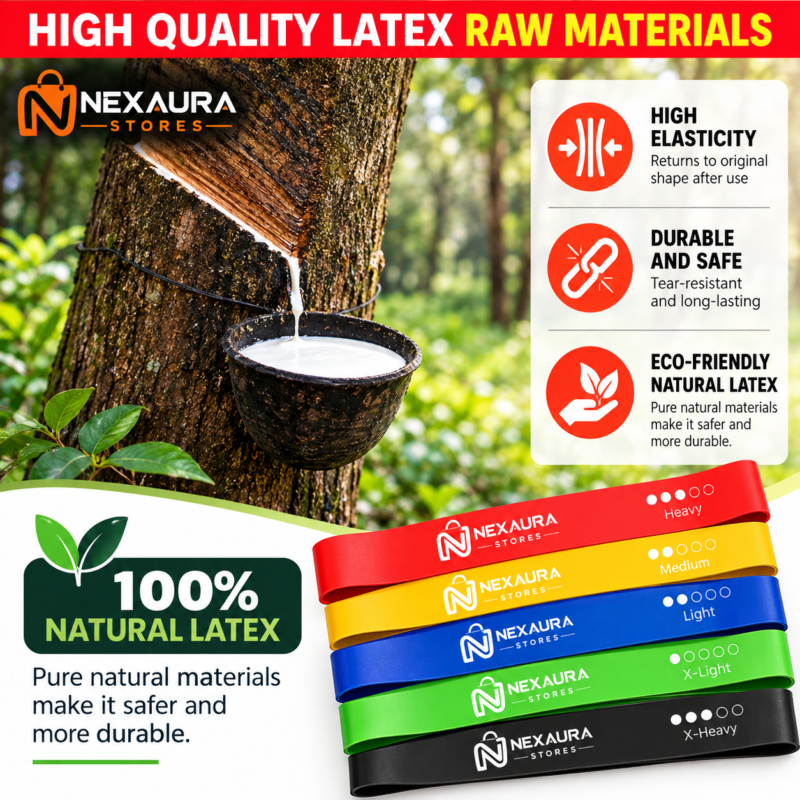
1. Resistance Bands Exercise Sports Loop Set — £3.99
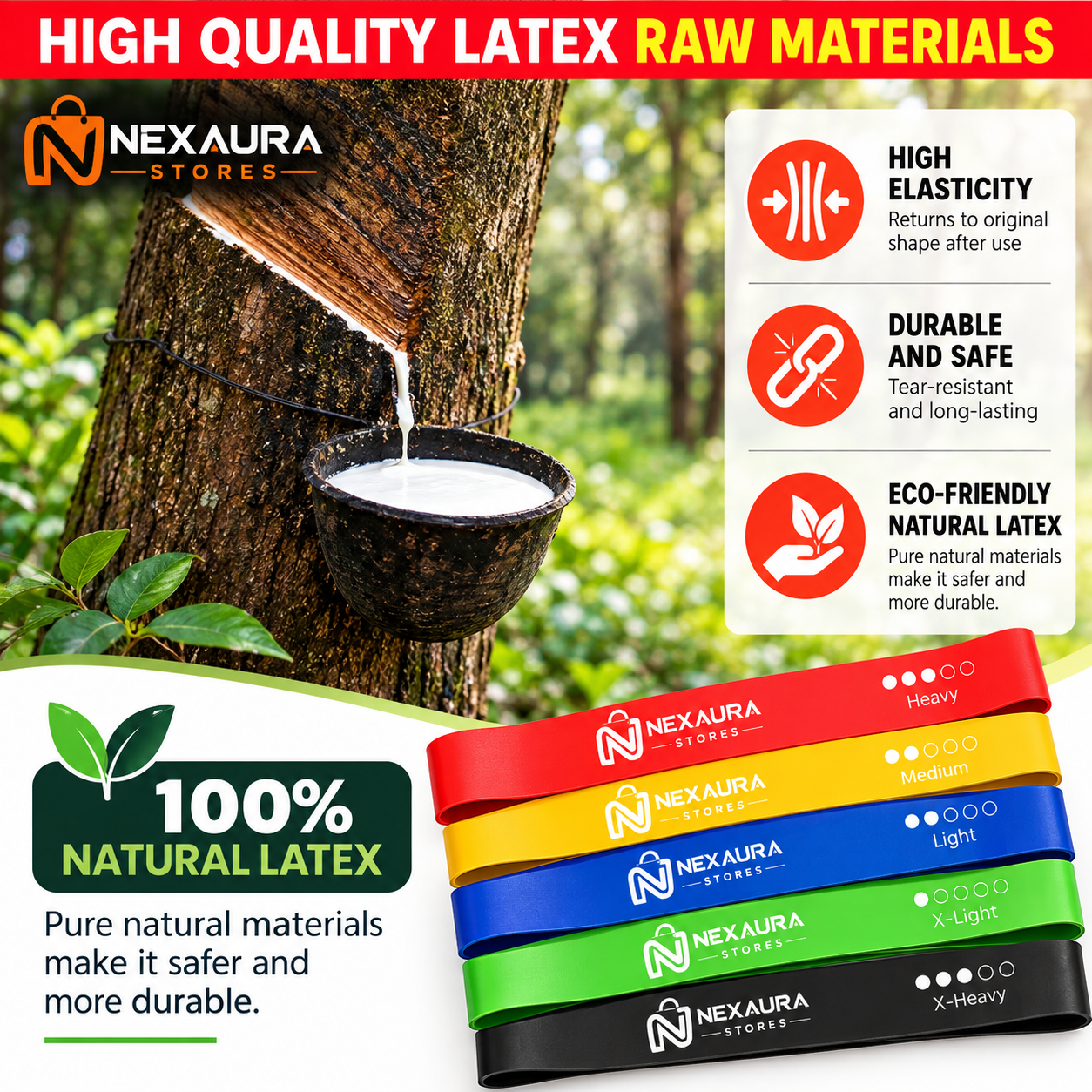
The single best-value fitness purchase in existence. This set of latex loop bands covers the whole body: squats and glute bridges for legs, rows and presses (anchored on a door) for upper body, and Pallof-style holds for the core. Multiple resistance levels mean you can start light and progress without buying twice. They weigh nothing, travel anywhere, and at £3.99 they cost less than a coffee. If you buy only one thing on this list, make it this.
OUR PICK
Resistance Bands Set — £3.99
Multiple latex resistance levels for a full-body workout anywhere. The cheapest item on this list and the most versatile — a genuine home gym in a drawer.
2. Multi-Loop Yoga Stretching Strap — £8.01
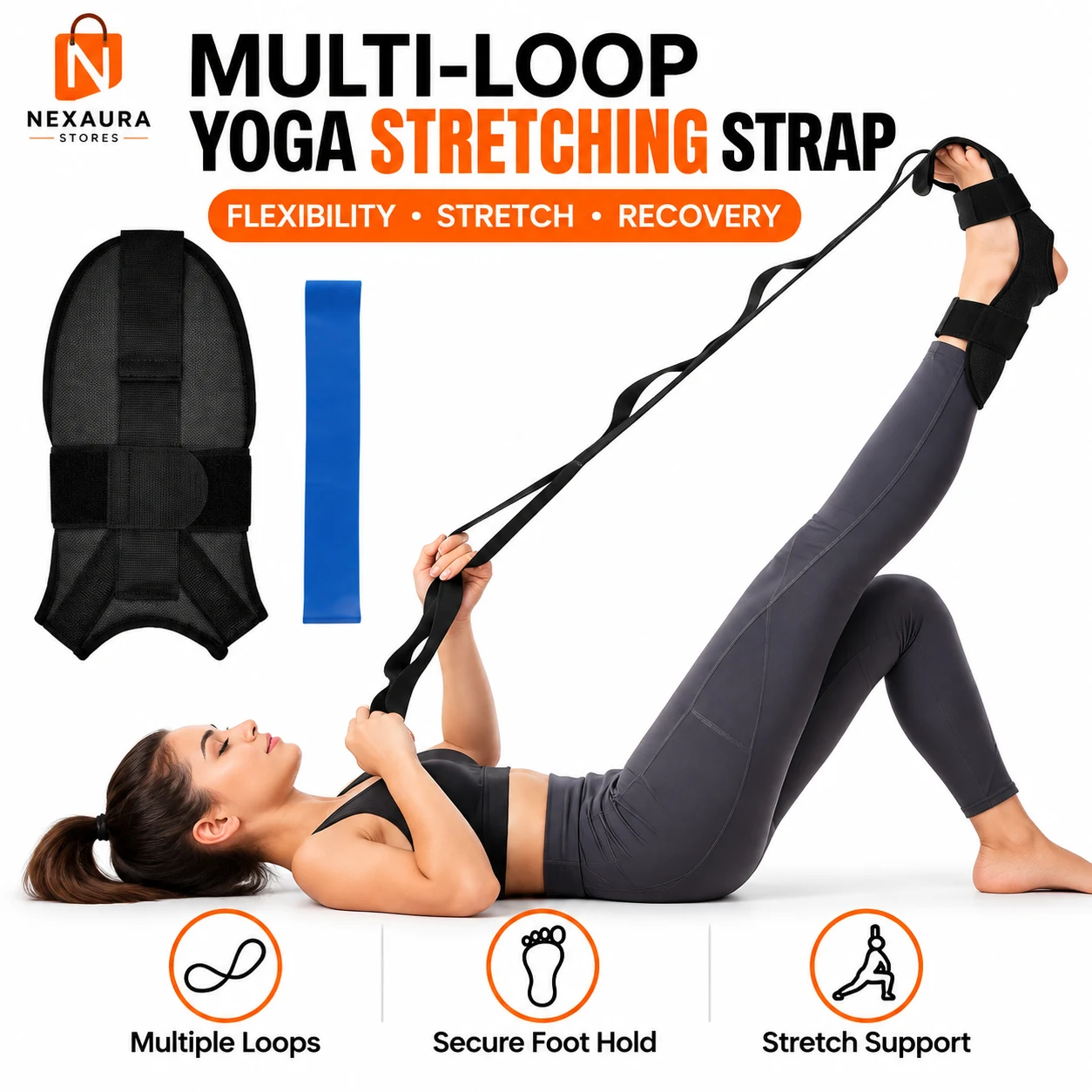
Flexibility is the part of fitness everyone skips and everyone regrets skipping. A multi-loop cotton strap lets you hold proper stretches without yanking on your joints — hamstring stretches, shoulder openers and assisted yoga poses all become accessible even if you can barely touch your toes. The looped design, rather than a single plain strap, gives you fixed hand positions at different lengths, so the stretch is repeatable and safe. Ten minutes a day with one of these does more for creaky desk-worker backs than most gadgets twice the price.
3. Weight Lifting Wrist Straps (Pair) — £8.41

Your grip gives out before your muscles do — that is the complaint that ends deadlift and rowing progress for beginners. Padded wrist straps loop around the wrist and the bar (or dumbbell handle), letting your back and arms do the work instead of your forearms. At £8.41 a pair, these are a cheap way to add honest kilograms to pulling movements, and they work just as well with a loaded backpack or resistance bands as with gym equipment.
4. Gym Ankle Straps (Pair) — £10.68

Glutes and hamstrings are hard to train properly with bodyweight alone — which is exactly what ankle straps solve. The padded neoprene cuffs fasten around each ankle and attach to a resistance band (or cable machine, if you do use a gym), unlocking kickbacks, abductions and hamstring curls that bodyweight squats never quite reach. Adjustable cuffs mean one pair fits the whole household, and the padding keeps them comfortable under load. A small, specific tool that fills a genuine gap in home training.
5. TWS Bluetooth 5.4 Headset — £10.99
Music is a legal performance-enhancing drug: the right playlist measurably improves workout output and enjoyment. The catch is that standard earbuds fall out the moment you move. This ear-hook design locks in place through burpees, runs and HIIT circuits, and Bluetooth 5.4 keeps the connection stable without the dropouts that plagued older budget buds, and there is a built-in microphone for calls between sets. At £10.99 it is the easiest upgrade to training enjoyment on this list.
6. Magnetic Digital Kitchen Timer — £8.99
Interval training lives or dies on timing, and squinting at a phone screen mid-burpee kills the flow. A big-display digital timer with a loud alarm — magnetic, so it sticks to the fridge or any metal surface at eye level — turns any living room into a proper circuit-training station: 40 seconds work, 20 seconds rest, no phone fumbling. It is marketed as a kitchen timer, but interval trainers have used exactly this kind of device for decades. One of those boring purchases you will use every single session.
7. Waterproof Phone Pouch — £7.99
If any of your training happens outdoors — running, cycling, bootcamp in the park — British weather is the enemy of an expensive phone. A touchscreen-friendly waterproof pouch keeps rain and sweat out while letting you change playlists, check your timer app or take a call without unsealing anything. It doubles as a beach and travel essential, which makes the £7.99 easier to justify than most single-purpose accessories. Cheap insurance for a £600 phone.
A simple 20-minute starter routine (this gear only)
You do not need a complicated programme to start. Try this full-body circuit three times a week: set your timer for 40 seconds of work and 20 seconds of rest, and move through band squats, band rows (door-anchored), push-ups, glute bridges with the resistance band above your knees, band shoulder presses, and standing band abductions. That is one round — about ten minutes. Rest two minutes, repeat. Finish with five minutes of stretching using the yoga strap for hamstrings, hip flexors and shoulders. Twenty-five minutes total, zero commute, and every muscle group covered.
Progress by moving to a heavier band, adding a round, or shortening the rests — in that order. When the heaviest band feels easy on every movement, you have earned the right to spend more.
5 mistakes to avoid when buying budget fitness gear
- Buying single heavy equipment first. A kettlebell is great — after three months of consistent band training. Beginners should buy versatility first, load second.
- Ignoring the flooring. Hard floors plus jumping equals angry downstairs neighbours and sore joints. A cheap mat — or even a folded duvet for floor work — is worth sorting before you buy anything else.
- Choosing gadgets over basics. Fancy ab rollers and posture gadgets gather dust; bands, straps and a timer get used. Master the boring tools first.
- Skipping the warm-up. Cold muscles plus resistance bands is how strains happen. Two minutes of marching in place and arm circles costs nothing and prevents weeks off.
- Expecting gear to create the habit. The best £3.99 bands in the world do nothing in a drawer. Schedule sessions like appointments — same days, same time — and the gear earns its keep.
Frequently asked questions
Can you get fit at home without a gym membership?
Yes — for general strength, fitness and mobility, home training with resistance bands and bodyweight exercises is highly effective. Consistency matters far more than location. A gym becomes worth it mainly for heavy barbell lifting or specialist equipment.
Are resistance bands as good as weights?
For beginners through intermediates, yes. Bands provide variable resistance that increases through the movement, and research shows comparable strength gains to free weights at similar effort levels. They fall short only for maximal-strength training, where heavy fixed loads win.
How much should I spend on home fitness gear to start?
Under £30 covers everything a beginner needs: a resistance band set (£3.99), a stretching strap (£8.01) and a timer (£8.99). That trio handles strength, mobility and interval training. Add specialist pieces like wrist or ankle straps only once your routine actually needs them.
How often should beginners train at home?
Three full-body sessions a week of 20–30 minutes beats six exhausting ones you quit after a fortnight. Add daily 5–10 minute stretching if you sit at a desk. Rest days matter — muscles strengthen during recovery, not during the workout.
What is the best budget fitness gift for a beginner?
A resistance band set is the perfect fitness gift: cheap (£3.99), genuinely useful, and suitable for any fitness level with zero intimidation factor. Pair it with a stretching strap and you have a thoughtful, practical gift under £15 that will actually get used.
READY TO TRAIN AT HOME?
Shop Sports & Fitness at Nexaura Stores
Resistance bands, straps, training accessories and more — secure checkout and UK delivery as standard.