 NEXAURA STORES


 Sell on Nexaura
NEXAURA BUYING GUIDE
Winter Evening Walks: Staying Safe and Seen After Dark (UK Guide 2026)
By midwinter, the evening walk in Britain happens in the dark. Sunset falls before most people get home, pavements are wet, and drivers, cyclists and dog walkers are all sharing the same dim streets and lanes. Staying safe after dark is not about expensive gear or giving up the walk — it is about light, visibility, footing and a few small habits that turn a nervous shuffle into a confident stride.
This guide covers the practical side of winter evening walking: how to be seen by traffic, how to see where you are putting your feet, what to wear when it is cold and wet, and how to plan a route that stays safe after sunset — for dog walkers, commuters on foot, and anyone out for fresh air once the clocks have gone back.
Most of the fixes are small and cheap: a decent light, warm socks, a reliable umbrella and a reflective detail or two cover almost every risk a dark winter walk presents.
Why a winter evening walk is different
In winter, three things change at once. Darkness arrives early — in December, much of the UK is dark by 4pm, so even a walk straight after work is a night walk. Rain and low cloud cut visibility further, and wet roads reflect headlights in ways that can dazzle. Cold changes how your body feels too: numb feet and stiff fingers make you reluctant to stop and adjust anything once you are out.
That combination matters: a driver may have only a second or two to react to a pedestrian in dark clothing on a wet, unlit road, and a walker who cannot see a kerb or icy patch is far more likely to stumble. Planning for darkness is the winter equivalent of wearing a coat.
Rule one: be seen by everyone else
The single biggest safety gain on a dark walk is making yourself visible to drivers. Dark coats, black leggings and dark dog leads all blend into the background, especially under rain. You do not need a full high-visibility outfit to fix this — a reflective strip on a jacket, bag or ankle, or a light-coloured hat or scarf, makes a real difference because it catches headlights from a long way off.
Reflective material works best when it moves: strips on arms, legs or a dog’s harness swing with each step, which is how drivers spot a pedestrian rather than a road sign. On any stretch of road without a pavement, reflective detail gives a driver time to slow down and move over.
For dog walkers, the same rule applies to the dog. A reflective collar, lead or harness, or a small clip-on light, means the dog is visible even when it runs ahead into a darker patch of verge or path. Drivers look for movement at kerb height too, and a lit dog is far easier to spot than a dark one.
Rule two: carry light that leaves your hands free
Being seen is only half the job. You also need to see: kerbs, puddles, tree roots, uneven paving and the edge of a canal path. A phone torch will do in a pinch, but it ties up a hand, points wherever your arm happens to be, and dies quickly in the cold. A headlamp solves all three problems at once — it points where you look, keeps both hands free for a lead, a gate or an umbrella, and runs far longer than a phone on torch mode.
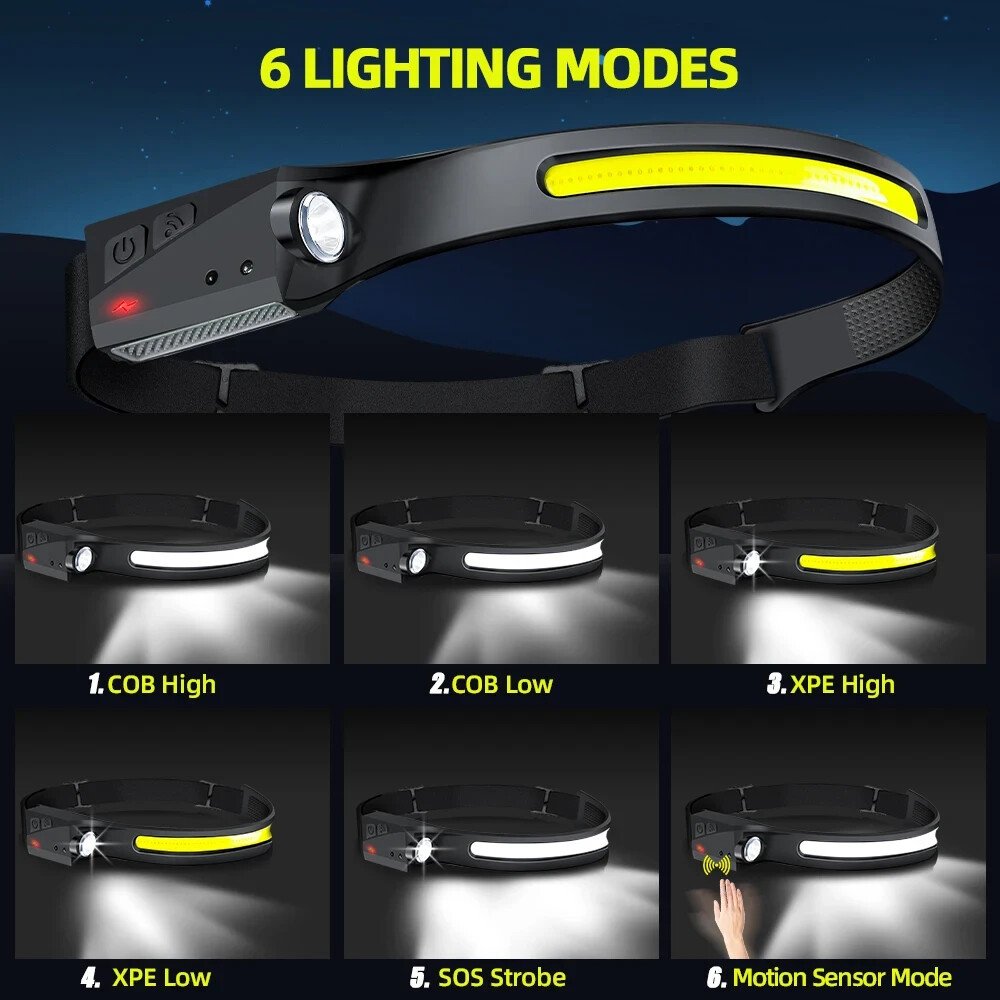
For evening walks, a wide beam beats a narrow spotlight: it lights the ground a few metres ahead and the verge to either side, where trip hazards actually are. A low mode suits lit streets and saves battery; a bright mode earns its keep on unlit lanes.
The rechargeable LED headlamp fits the brief: a 230-degree wide beam, six modes, a motion sensor for muddy or gloved hands, and IPX4 splash resistance. It recharges over USB, so there is no hunt for spare batteries before a walk.
Rule three: plan the route, not just the walk
The safest winter route is rarely the shortest one. Well-lit pavements, paths away from fast traffic, and routes you know by heart are worth a few extra minutes. Save unfamiliar shortcuts across fields or unlit towpaths for daylight — they hide uneven ground, gates and water at the path edge.
Walk facing oncoming traffic where there is no pavement, so you can see vehicles coming and step aside in good time. Cross roads at lit crossings or junctions where drivers expect pedestrians, rather than darting across a dark stretch between parked cars. And tell someone where you are going if you walk alone in a rural area — a simple text with your route and expected return time costs nothing and matters a great deal if you slip and twist an ankle out of sight.
What to wear: warmth starts at the feet
Cold feet ruin a walk faster than almost anything else. Once feet are numb, you stop noticing uneven ground properly, and a walk that should be enjoyable becomes a grim trudge home. Thick cotton socks make this worse, because cotton holds sweat and rain, then chills against the skin. Warm, cushioned socks that wick moisture keep feet warmer for longer and help prevent blisters on longer walks.
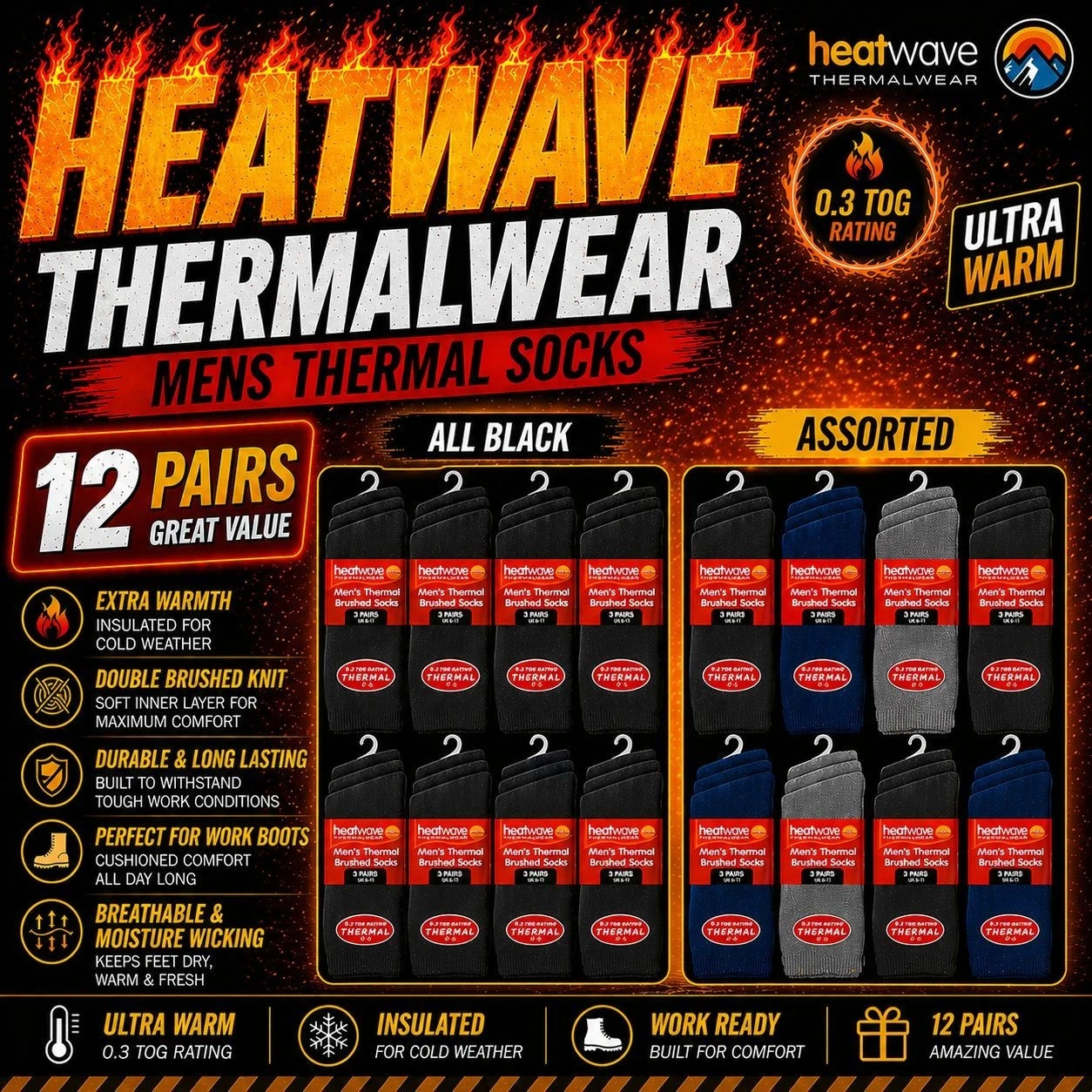
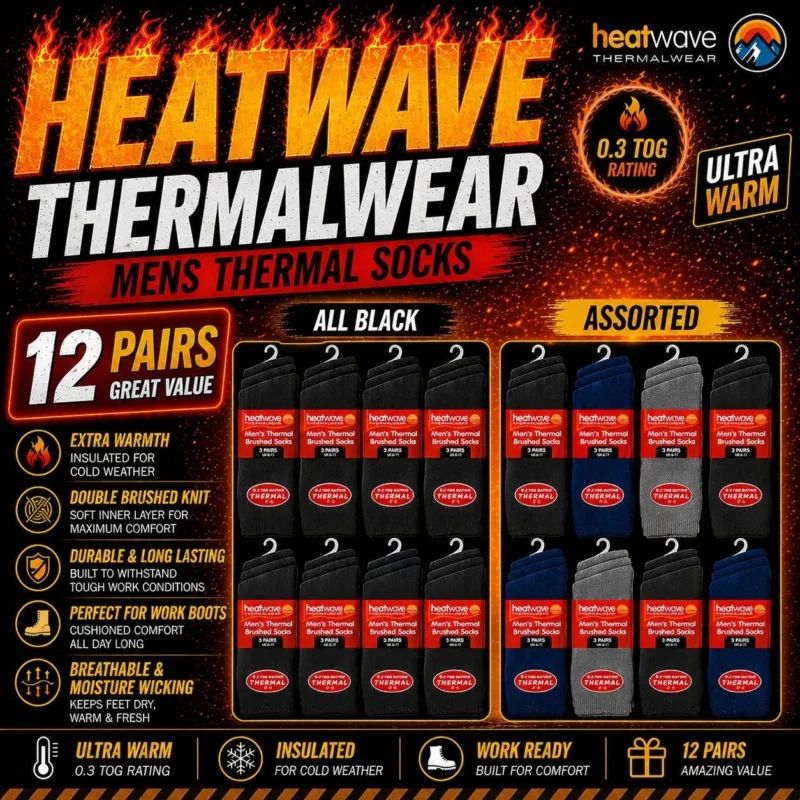
The thermal boot socks 6-pack is a practical buy: tall enough to stay up inside boots, and sold as a pack so a fresh, dry pair is always ready after a wet walk.
Above the socks, layers beat one heavy coat: a thermal base layer, a fleece and a waterproof outer layer let you adjust as you warm up. A waterproof coat matters more than a warm one in British winter rain — a soaked walker gets cold quickly. Keep one ear free if you listen to music, so you hear traffic and cyclists approaching.
Rain: the umbrella that actually survives the walk
Rain is the default winter walking weather, and a failed umbrella is worse than no umbrella — it leaves you wet, tangled and juggling a broken frame with a dog lead. Cheap umbrellas usually fail at the ribs in a gust, so frame strength is the feature that matters. Eight ribs, a sturdy shaft and a compact fold mean the umbrella is strong enough to trust and small enough to actually carry.
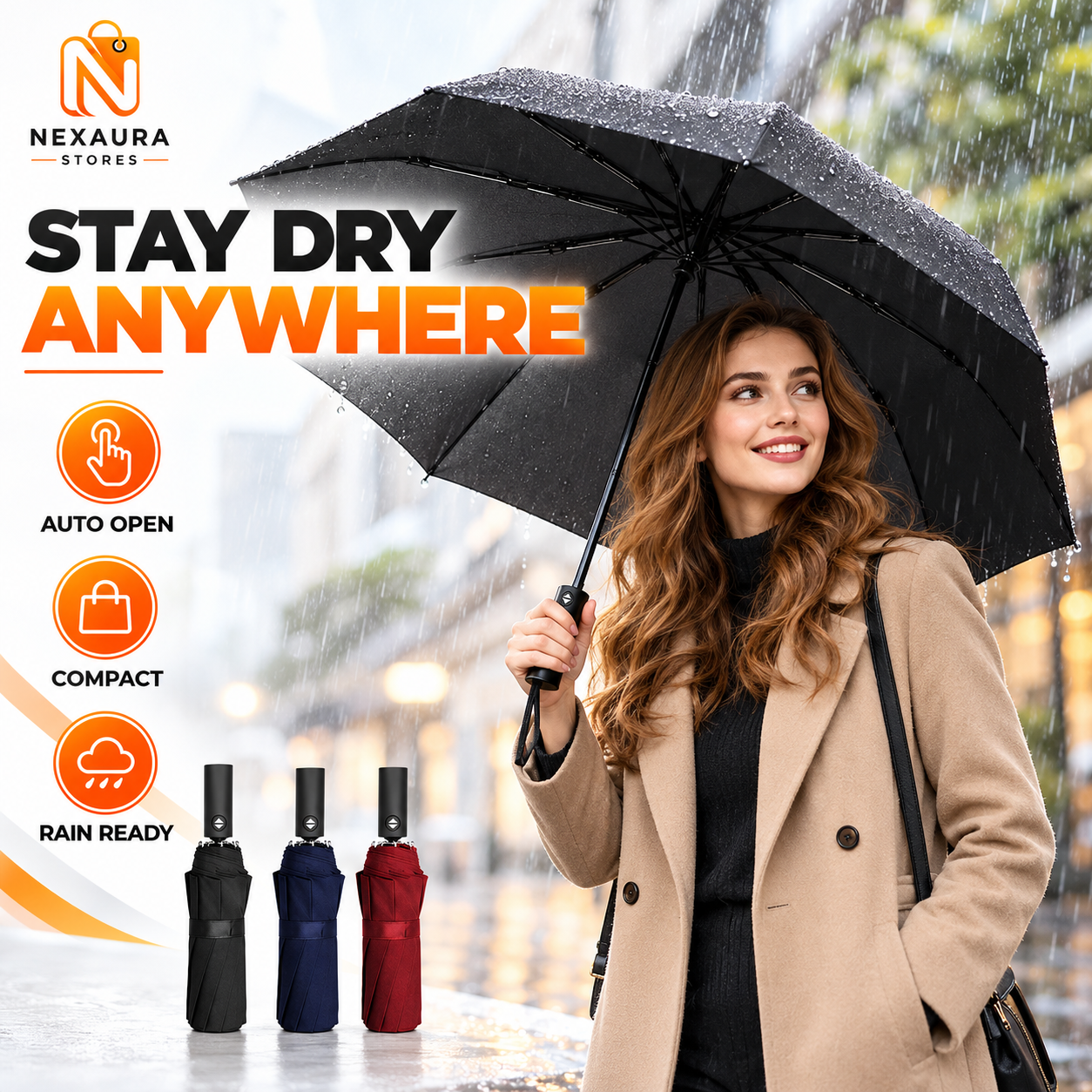
The compact windproof umbrella follows that pattern: eight ribs, automatic open and close for stepping into rain with hands full, and a fold that fits a coat pocket.
In very heavy rain or strong wind, a waterproof coat with a hood is more reliable than any umbrella. If rain runs down your face, slow down rather than pushing on blind: most winter falls happen when walkers hurry through poor visibility.
Footing: wet leaves, ice and puddles
Winter surfaces are treacherous in ways that are easy to miss in the dark. Wet leaves on pavements are famously slippery, especially on slopes and steps. Black ice forms first on bridges, shaded paths and quiet side roads, and it is invisible under a headlamp until you are already on it. Puddles hide potholes, drain covers and broken paving.
Boots with a grippy sole are the main defence, broken in before winter — new boots on a dark, wet walk are a blister waiting to happen. Shorten your stride on suspect surfaces, and if a path looks icy, take the gritted pavement instead.
After the walk, dry socks and a warm drink turn a cold walk into a habit you keep. A USB mug warmer keeps that drink hot while you peel off layers and sort the dog.

Walking the dog after dark
Dog walks add their own safety rules. Keep the dog on a short lead near roads, even if it is perfectly behaved off-lead in daylight — darkness and headlights change its behaviour — and use a reflective harness or collar light so drivers and cyclists can see it.
OUR PICK
Rechargeable LED Headlamp — 230° Wide Beam, Motion Sensor, 6 Modes
If you buy one thing for winter evening walks, make it light you do not have to hold. This headlamp lights the path ahead and the ground at your feet, switches modes without fumbling in gloves, and recharges over USB — so dark lanes, muddy paths and dog walks after sunset become straightforward instead of stressful.
Also handy for dark winter walks: the thermal boot socks 6-pack for warm feet, the compact windproof umbrella for wet evenings, and the USB mug warmer for the drink waiting at home. Browse the full Home & Kitchen range for more practical winter picks.
Frequently asked questions
Is it safe to walk in the dark in winter?
Yes, with light, reflective detail and a sensible route. Most risk comes from not being seen by drivers and not seeing trip hazards, and both are fixed by a headlamp, reflective strips and sticking to lit, familiar pavements.
What is the best light for evening walks?
A rechargeable headlamp with a wide beam, because it points where you look and leaves both hands free. A phone torch works as a backup, but it is awkward on a longer walk and drains the battery you may need for maps or calls.
Do I really need reflective clothing for a pavement walk?
You do not need a full high-visibility jacket, but some reflective detail is wise on any route that touches a road. A strip on a jacket, bag or ankle catches headlights from far away, and it costs almost nothing compared with the protection it gives.
How do I keep my feet warm on winter walks?
Wear warm, moisture-wicking socks rather than cotton, in boots that fit well and grip properly. Thermal boot socks in a multi-pack mean a dry, warm pair is always ready, and dry feet stay warmer than damp ones on every walk.
What should I do if I meet ice on a dark path?
Slow down, shorten your stride, and step off onto gritted ground if you can. Do not hurry across a suspect patch, and avoid it altogether on the next walk — icy bridges and shaded paths freeze first and thaw last.
Should dogs wear a light on evening walks?
Yes, a reflective collar or harness, or a clip-on light, makes a dog visible to drivers and cyclists even when it runs ahead. Keep the dog on a short lead near roads, whatever its off-lead behaviour in daylight.
SAFE, SEEN AND WARM AFTER DARK
Shop Home & Kitchen at Nexaura Stores
Practical winter walking essentials — secure checkout, UK delivery.