 NEXAURA STORES

 Sell on Nexaura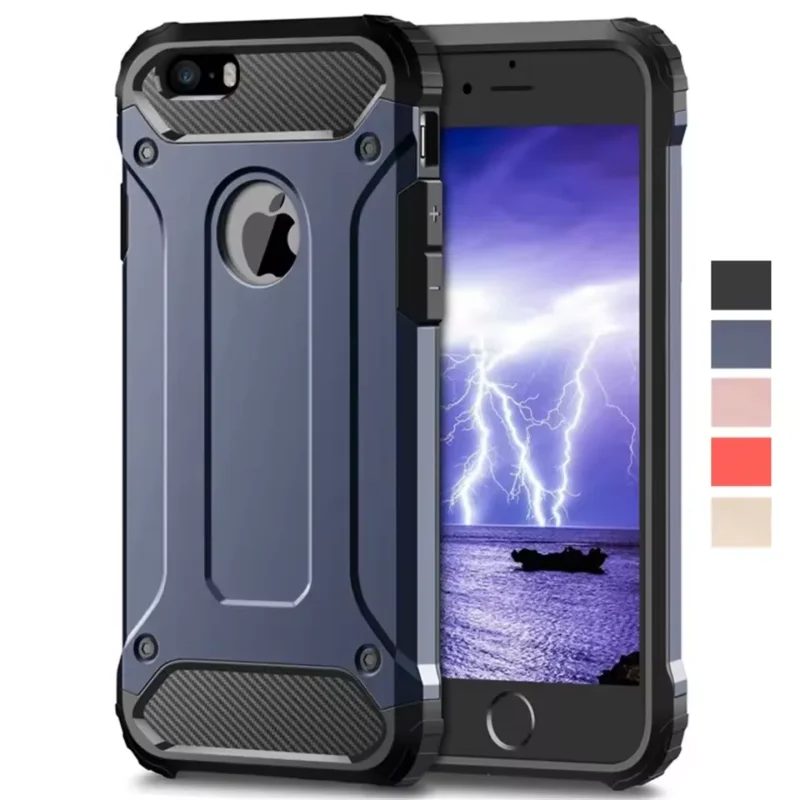
NEXAURA BUYING GUIDE
How to Choose a Phone Case That Actually Protects Your iPhone (UK Guide 2026)
Most phone cases are fashion first and protection second. Here is how to tell the difference — and the £8.98 rugged case we would actually trust with an iPhone.
Whether your iPhone survives for years or dies on a pub floor often comes down to a single £10 purchase. And yet most people choose a case the way they choose a wallpaper — on looks alone — then discover the hard way that a pretty case and a protective case are very different things. This guide cuts through the marketing to the handful of design details that genuinely decide whether your phone walks away from a drop.
Why most cases fail at the one job that matters
Walk into any phone accessory aisle, online or off, and you will see the same pattern: wafer-thin cases sold on colour, texture and brand name, with “protection” mentioned only in vague terms like shock-absorbing or military grade. A surprising number of these offer little more than scratch resistance. They look the part, they feel premium in the hand, and they do almost nothing when the phone hits concrete corner-first — which is how most phones die.
Real protection is not mysterious. It comes from specific, checkable design features: the materials, the corners, the edges, the fit. Learn to spot them and you can buy with confidence at any price — including the budget end of the market, where some of the best-value protective cases live.
The 6 things that actually determine drop protection
1. Hybrid construction: hard shell plus soft inner
The single best sign of a genuinely protective case is a two-layer build: a rigid outer shell (usually polycarbonate, or PC) bonded to a softer, flexible inner layer (thermoplastic polyurethane, or TPU). The hard shell spreads the force of an impact across a wide area; the soft layer absorbs it before it reaches your phone. Single-material cases — all-silicone or all-hard-plastic — cannot do both jobs as well. When a listing mentions “hard PC + soft TPU”, that is exactly the combination you want to see.

2. Reinforced corners
Phones almost always land on a corner — it is the physics of a spinning fall. That is why the corners are where protection matters most. Look for visibly thicker, reinforced corner bumpers, sometimes with air-cushion pockets moulded in. If a case is the same slim profile all the way round with no extra material at the corners, it is not serious about drops.
3. Raised edges around the screen and camera
A good case stands slightly proud of the screen and the camera lenses. When the phone lands face-down on a flat surface, those raised lips — even a millimetre or two — keep glass from touching the ground. Lay the phone face-down on a table: if the screen touches the surface, the case is not doing its job. This is one of the easiest checks you can do and one of the most commonly failed.
4. A precise, model-specific fit
Protection only works if the case actually fits. A case made for the iPhone X will not properly protect an iPhone XR — the dimensions, button positions and camera cut-outs differ. “Universal” or loosely sized cases shift on impact, exposing edges at exactly the wrong moment. Always buy for your exact model, and check the listing names it explicitly.
5. Grip: the drop you prevent beats the drop you survive
The most underrated protective feature is simply not dropping the phone in the first place. Textured sides, a slightly tacky TPU surface and ergonomic ridges all make the phone easier to hold — especially one-handed, which is when most drops happen. Glossy, slippery finishes look sharp in product photos and slide out of pockets and palms with alarming ease.
6. Read drop-test claims sceptically
“Military-grade drop protection” sounds impressive, but the underlying standard (MIL-STD-810G) is widely referenced and rarely independently verified on budget cases. Treat such claims as a hint, not a guarantee. The physical features above — hybrid build, reinforced corners, raised lips — are far more reliable evidence than any badge on the packaging.

Slim vs rugged: which protection level do you need?
Not everyone needs a tank. Be honest about your lifestyle. If your phone lives mostly on a desk and in a handbag, a slim hybrid case with raised edges is plenty — you get everyday bump and scratch protection without the bulk. If you work outdoors, commute by bike, have young children, or simply drop your phone the way some people lose umbrellas, go rugged: full hybrid armour with chunky corner reinforcement and maximum grip.
The mistake is buying slim when your life is rugged, or rugged when you will resent the bulk and take the case off — a case sitting in a drawer protects nothing. Match the case to your real habits, not your aspirational ones.
Do not forget the screen: pair your case with tempered glass
A case protects the body; the screen needs its own line of defence. A tempered glass screen protector absorbs the energy of a face-down impact and scratches so your display does not have to — and when it cracks, you replace a few pounds of glass instead of a few hundred pounds of screen. Fit one the day you fit the case, not after the first scare.
If you read messages on the train or handle anything sensitive on your phone, consider a privacy tempered glass screen protector. It narrows the viewing angle so shoulder-surfers see only darkness, while looking perfectly clear head-on. Our 3-pack covers iPhone 17 through 11 Pro models at just £7.99 — spare protectors for the inevitable day one takes a hit for the team.

OUR PICK
Shockproof Rugged Protective Case for iPhone X / XR / XS Max — £8.98

Ticks every box in this guide: a hybrid hard-PC-plus-soft-TPU build for genuine shock absorption, a rugged design with reinforced protection for everyday bumps, drops and scratches, and a precise fit for the iPhone X, XR and XS Max. Serious protection at a price that makes the £30 designer cases look silly.
5 mistakes to avoid when buying an iPhone case
- Buying on looks alone. Colour and texture are fine tie-breakers, but check the construction, corners and edges first. A beautiful case that fails the face-down table test is decoration, not protection.
- Choosing the wrong model. Close is not good enough — an X case on an XR leaves buttons misaligned and edges exposed. Match your exact model number before you buy.
- Skipping the screen protector. The case guards the body; without tempered glass the display is on its own. Pair them from day one.
- Trusting vague marketing over visible design. “Shockproof” and “military grade” mean little without specifics. Look for the physical features: hybrid layers, corner bumpers, raised lips.
- Paying for a brand instead of a build. Protection comes from design, not a logo. A well-built £9 rugged case outperforms a £35 fashion case in every drop that matters.
Make your case last longer
- Clean it monthly. Take the case off and wipe both the case and the phone with a damp cloth. Trapped grit between case and phone causes the micro-scratches cases are meant to prevent.
- Check the corners after drops. TPU absorbs impacts by deforming — that is its job — but a corner that has taken a big hit may be compromised. Inspect and replace if the bumper looks crushed.
- Keep it out of prolonged sun. UV and heat age TPU, making it yellow, brittle and less shock-absorbent over time. A dashboard in July is a case killer.
- Replace the screen protector, not the screen. A cracked protector has done its job — peel it off and fit a fresh one. That is what the spares in a multi-pack are for.
Frequently asked questions
Do I need an expensive case to protect my iPhone?
No. Protection comes from design — hybrid PC + TPU construction, reinforced corners, raised edges — not price. A well-designed budget rugged case protects better than a slim designer case costing three times as much.
Are rugged cases too bulky for everyday use?
Modern rugged cases are slimmer than the old tank-style armour. Most add only a few millimetres and still fit comfortably in a pocket. If you are genuinely rough on phones, the trade-off is well worth it — and a case you keep on always beats a slim one you take off.
Will any iPhone case fit any iPhone?
No. iPhone models differ in size, button placement and camera layout, so cases are model-specific. Always buy a case made for your exact model — a loose or misaligned case can leave edges exposed during a drop.
Does a phone case protect the screen as well?
Partially. A case with raised edges keeps the screen off flat surfaces, which handles many everyday knocks. But for direct impacts on the display — the classic face-down drop onto gravel — you also want a tempered glass screen protector.
How often should I replace my phone case?
Inspect it yearly and after any serious drop. TPU degrades with UV exposure and loses shock absorption over time, and corner bumpers can be compromised by a single hard impact. If the fit has loosened or the material feels brittle, replace it.
Is a privacy screen protector worth it?
If you use your phone in public — trains, cafés, queues — yes. A privacy protector blocks side viewing angles while staying clear head-on, so messages, banking and photos stay yours. It is the same tempered-glass protection with a privacy bonus.
READY TO PROTECT YOUR PHONE?
Shop Mobile Accessories at Nexaura Stores
Rugged cases, screen protectors and iPhone essentials — secure checkout and UK delivery as standard.