 NEXAURA STORES

 Sell on Nexaura
NEXAURA BUYING GUIDE
Niacinamide Soap: What It Does and How to Use It (UK Guide 2026)
Niacinamide is the skincare ingredient that quietly does everything — fades dark spots, tightens pores, calms oiliness — and a soap bar is the simplest, cheapest way to add it to your routine. Here is what the science says, and how to use it properly.
Walk down any skincare aisle and you will see it: serums, creams, toners and now even soap bars, all shouting about niacinamide. It is one of the few ingredients dermatologists consistently recommend, because unlike many fashionable actives, it has decades of research behind it and it plays nicely with almost every skin type.
But a soap bar raises an obvious question. Serums sit on your skin for hours — soap gets rinsed off in seconds. Can a niacinamide soap bar actually do anything, or is it just marketing? The honest answer: it can, as long as you understand what it does well, what it does not, and how to use it. That is exactly what this guide covers.
What is niacinamide, actually?
Niacinamide is a form of vitamin B3. It is water-soluble, stable, and — unusually for an active ingredient — it does not break down in light or air, which is why it survives being baked into a soap bar far better than finicky ingredients like pure vitamin C. Your skin uses it to make the two molecules it relies on for energy production and barrier repair, so it is less a foreign chemical and more a supply run for something your skin already knows how to use.
In leave-on products it is typically used at 2–10%. Rinse-off products like soap bars carry lower effective concentrations, because contact time is short. That does not make them useless — it makes them a gentle, low-maintenance entry point, especially for body skin, where applying an expensive serum every day would cost a fortune.
What niacinamide soap does for your skin
1. Fades dark spots and evens out skin tone
This is niacinamide’s headline act. It interferes with the transfer of melanin (pigment) to your skin cells, which gradually fades sun spots, post-acne marks and patchy areas. Many bars pair it with alpha arbutin and tranexamic acid — two other well-studied brighteners — and the combination is noticeably more effective than any of them alone. Expect gradual improvement over 4–8 weeks, not overnight miracles.
2. Makes enlarged pores look smaller
Pores cannot physically shrink, whatever the advertising says. What niacinamide does is regulate oil flow and improve the elasticity of the skin around each pore, so pores look tighter and less noticeable. On the nose, chin and forehead — the classic oily T-zone — this is where most people see the first visible difference.
3. Strengthens the skin barrier
Niacinamide boosts the production of ceramides, the fats that hold your skin’s protective barrier together. A stronger barrier loses less water, so skin stays hydrated longer and becomes less reactive to cold weather, hard water and harsh cleansers. If your face feels tight and papery after washing, your barrier is asking for help.
4. Balances oily and combination skin
Unlike harsh acne cleansers that strip everything and trigger a rebound oil slick by lunchtime, niacinamide normalises sebum production. Skin ends up balanced rather than bone-dry, which means fewer blocked pores and fewer breakouts without the flaking.
5. Softens the look of fine lines
This one needs patience. By supporting collagen and improving elasticity over months, niacinamide gradually improves fine lines — it will not erase deep wrinkles, but long-term users consistently report firmer-looking skin. Think of it as maintenance, not a facelift in a bar.

Soap bar vs serum: is a bar actually enough?
The fair criticism of niacinamide soap is contact time. A serum stays on your face all day; soap is rinsed off in under a minute, so the dose your skin receives is much lower. If you have a stubborn melasma patch or serious texture issues, a leave-on serum is still the stronger tool.
But that misses the bar’s real advantages. First, price: a good niacinamide soap costs a fraction of a serum and covers your whole body — neck, chest, arms, back and underarms, where dark spots and uneven tone are just as common but serums are never applied. Second, simplicity: it slots into a shower routine you already have, so you will actually use it every day. Third, gentleness: the lower dose means far less risk of the flushing or irritation some people get from high-strength niacinamide serums.
The smartest routine is not either-or. Use the soap daily as your all-over brightening base, and if your face needs extra help, layer a targeted serum on top afterwards. The two stack rather than compete.
How to use niacinamide soap properly
On the face
Wet your face with lukewarm water — hot water strips the barrier you are trying to build. Work the bar into a light lather in your hands (or use a foaming net, which makes the lather richer and the bar last much longer), massage gently for 30–60 seconds, then rinse thoroughly. Pat dry with a clean towel; never rub.
On the body
This is where brightening bars earn their keep. Lather onto areas prone to dark spots — underarms, inner thighs, elbows, knees, neck and the back — and leave the lather on for a minute or two before rinsing, like a mini mask. That extra contact time is the single biggest trick for getting more out of a rinse-off product.
How often to use it
Start once a day for the first week, then move to twice daily if your skin is happy. Niacinamide is one of the most forgiving actives, but every skin is different — any tightness, stinging or redness means back off to once daily or every other day. Most people tolerate it twice a day with no issues.
Always moisturise afterwards
Any cleanser, however gentle, removes some of your skin’s natural oils. Lock the benefits in with a moisturiser within a few minutes of washing, while skin is still slightly damp. In the morning, finish with sunscreen — niacinamide is not sun protection, and UV is the main cause of the dark spots you are trying to fade.

OUR PICK
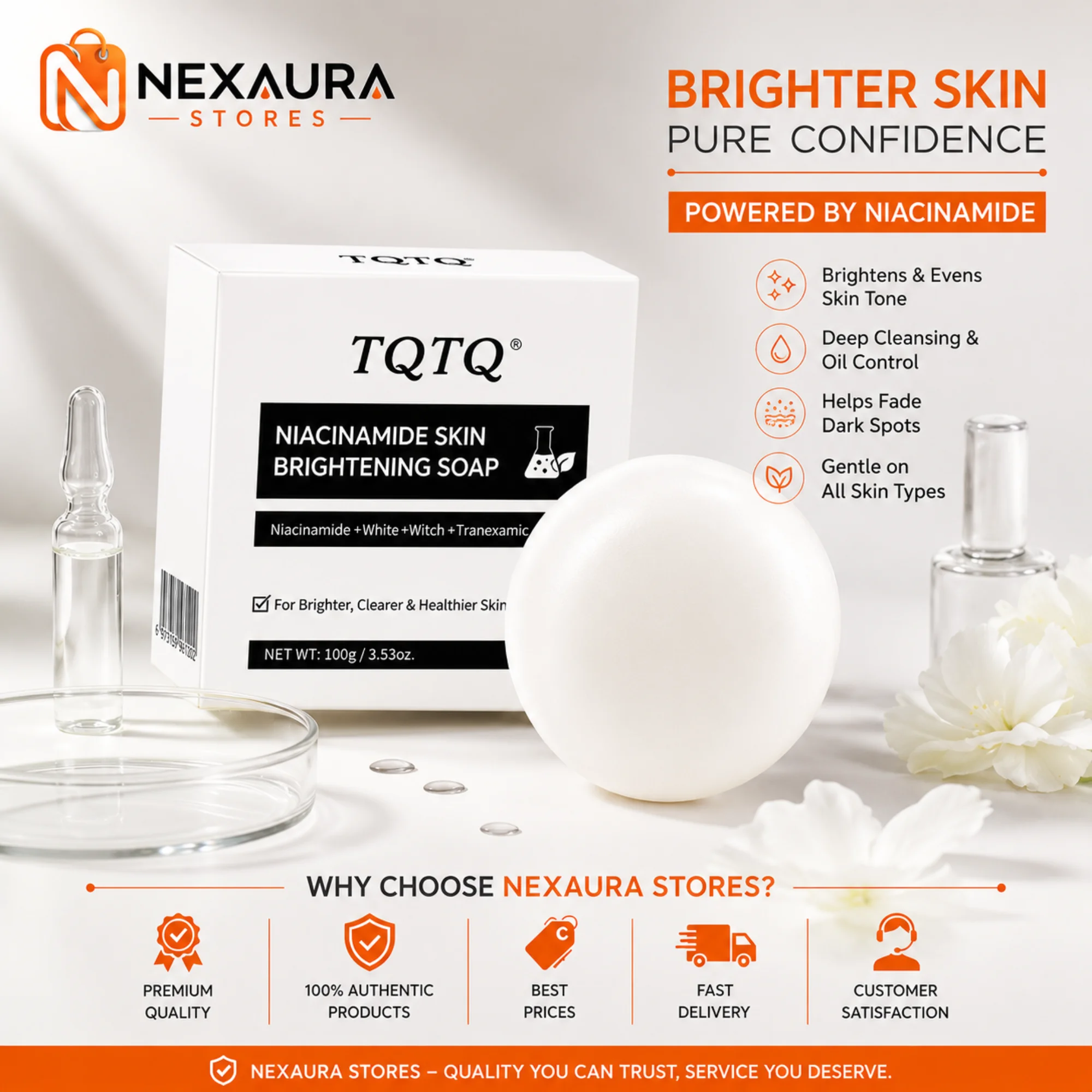
Niacinamide Brightening Soap with Alpha Arbutin & Tranexamic Acid — $10.98
A triple-brightener formula: niacinamide for tone and pores, alpha arbutin for dark spots, and tranexamic acid for stubborn pigmentation. Works on face and body, and at this price it costs less than a single takeaway. Our top pick for anyone starting a brightening routine.
Niacinamide vs kojic acid: which brightening bar is right for you?
The other big name in brightening bars is kojic acid, derived from fermented rice. They work differently: niacinamide blocks pigment transfer, while kojic acid inhibits tyrosinase, the enzyme that makes pigment in the first place. In practice, niacinamide is the gentler all-rounder — better for oily skin, large pores and daily use on the face — while kojic acid is the heavier hitter on stubborn dark spots, but slightly more likely to irritate sensitive skin.
If you are new to brightening, start with niacinamide. If you have tried it and want more firepower on specific dark marks, kojic acid is the natural next step — or alternate the two, using niacinamide in the morning and kojic acid at night.
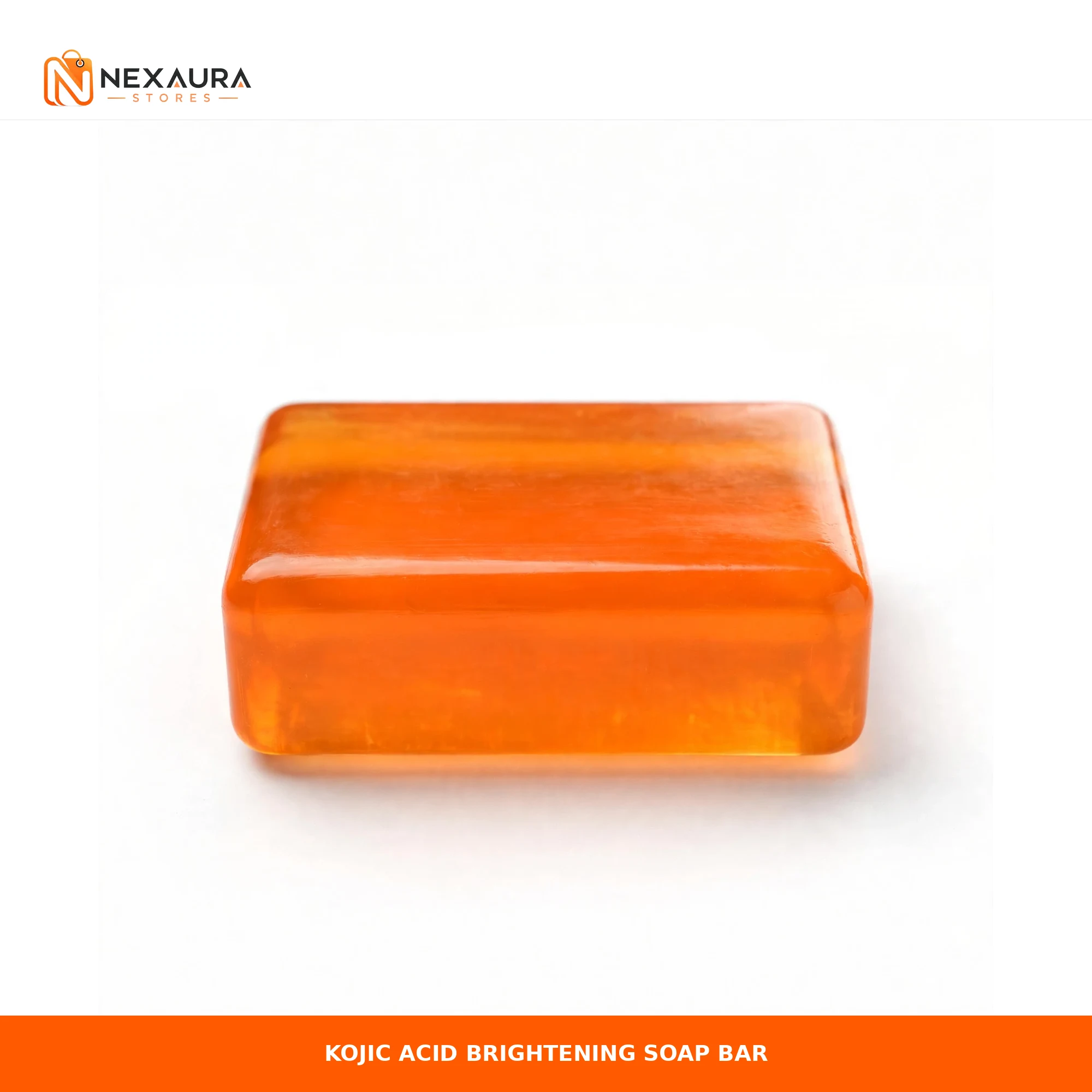
For the heavier-duty option, the Kojic Acid Brightening Soap Bar 135g ($10.68) is the classic choice for face and body dark-spot treatment — same accessible price point, stronger action on pigmentation.
Who should skip niacinamide soap?
Honesty matters here. If you have very reactive skin or active rosacea, even gentle niacinamide can cause flushing in some people — patch test behind your ear first. A true niacin allergy is rare but real. And keep expectations straight: no soap, however good, replaces sunscreen, treats deep melasma on its own, or works in a week. If a product promises overnight whitening, walk away.
What to look for when buying a niacinamide soap
Not all bars are equal. Check the ingredient list for niacinamide placed reasonably high (not dead last), and bonus points for supporting brighteners like alpha arbutin, tranexamic acid or vitamin C derivatives. Avoid bars loaded with harsh sulphates — they undo the barrier benefits niacinamide is building. A slightly acidic to neutral pH cleanser is kinder than a strongly alkaline old-fashioned soap. Finally, a proper ingredient list and sealed packaging are basic trust signals; mystery bars with no labelling are not worth the gamble, however cheap.
Niacinamide soap FAQs
Can I use niacinamide soap every day?
Yes — once you have confirmed your skin tolerates it, twice-daily use is fine for most people. Start once a day for the first week and step up from there.
How long does it take to see results?
Skin cell turnover takes roughly 28 days, so give it 4–8 weeks of consistent use before judging. Pore appearance often improves within 2–3 weeks; fading dark spots takes longer.
Can I use niacinamide soap with vitamin C?
Yes. The old warning about them cancelling each other out came from a decades-old study using unstable, unformulated ingredients at extreme heat. In modern products they work well together — many brightening routines deliberately combine both.
Is niacinamide soap good for acne-prone skin?
It helps indirectly: it regulates oil, calms inflammation and fades the post-acne marks breakouts leave behind. It is not a spot treatment for active cystic acne, but it is excellent for the aftermath.
Does niacinamide soap replace sunscreen?
No. Nothing replaces sunscreen. UV radiation is the main driver of dark spots and uneven tone, so a brightening routine without SPF is like mopping with the tap running — wear sunscreen every morning.
READY TO UPGRADE YOUR ROUTINE?
Shop Health & Beauty at Nexaura Stores
Brightening soaps, skincare and everyday essentials — secure checkout and UK delivery as standard.