 NEXAURA STORES


 Sell on Nexaura
NEXAURA BUYING GUIDE
Winter Travel Essentials: Small Items That Make Cold Trips Easier (UK Guide 2026)
Winter trips are won or lost on the small things: a decent night’s sleep on the journey, a door that feels secure, a phone that still works in the rain. Here is a practical, budget-friendly kit for cold-weather travel in the UK and beyond.
Winter travel sounds simple until you are actually doing it. Trains run late, daylight disappears by late afternoon, rain finds every unsealed pocket, and a hotel room that looked charming online can feel draughty and unfamiliar at midnight. None of that means you need expensive luggage or specialist outdoor gear. For most UK trips — a weekend city break, a family visit, a work trip, or a short winter holiday — a handful of small, well-chosen items makes a disproportionate difference to comfort, security and peace of mind.
This guide focuses on the essentials that earn their place in a bag: they are light, they are genuinely useful more than once, and they solve a real winter problem rather than a hypothetical one. Each pick below is a real product available from Nexaura Stores, linked so you can check it directly.
Why winter trips punish bad packing
Summer forgives a forgotten item. Winter does not. In cold weather you spend more time indoors, more time in transit, and more time dealing with wet clothes, flat phone batteries and tiredness. A bag that is too heavy is miserable on a wet platform; a bag that is too light leaves you cold, damp or unable to sleep. The trick is to pack for the conditions you will actually meet: short days, wet weather, heated-but-dry indoor air, and unfamiliar beds.
Think in layers, not bulk. A warm base layer, a proper coat and a scarf will do more than three heavy jumpers. Likewise, think in small systems: sleep, security, phone and washing. If those four are sorted, almost every winter trip feels manageable, even when a train is cancelled or the weather turns.
1. Sleep properly on the journey: a memory foam travel pillow

A stiff neck at the start of a trip colours the whole day. Coaches, trains and planes are rarely designed for sleep, and scrunching a coat into a ball is a poor substitute for support. A U-shaped memory foam travel pillow moulds to your neck, keeps your head upright instead of lolling sideways, and gives you a far better chance of arriving rested rather than aching.
Memory foam has a particular advantage over inflatable pillows in winter: it stays supportive without needing to be blown up in a cold carriage, and it does not go soft as the temperature drops. Look for a shape that supports the sides of the neck, not just the back, and a cover you can remove and wash after a few trips. If you travel by car as a passenger, the same pillow works just as well — and it doubles as lumbar support on a long drive if you turn it around.
2. Sleep securely at night: a portable travel door lock
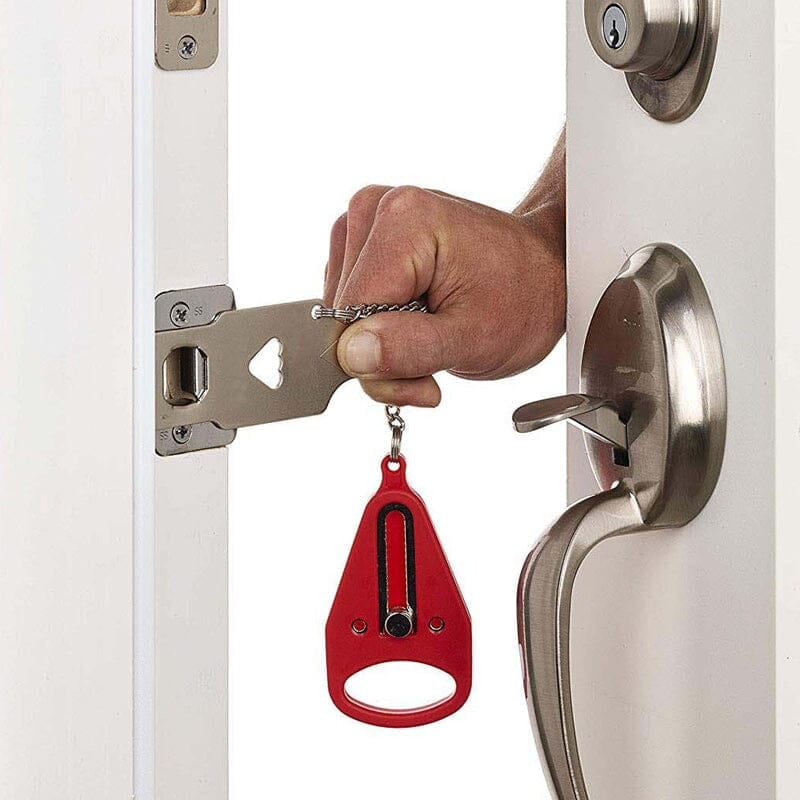
Most of us trust a hotel door without thinking about it — until the first night in an unfamiliar place, when every corridor noise sounds louder than it should. A portable travel door lock is a small, tool-free device that wedges into the door’s strike plate and adds a second line of defence from the inside. It fits in seconds, needs no installation, leaves no damage, and stops the door opening from outside even with a key.
That matters most in winter, when you are more likely to be staying in rented flats, guesthouses and older hotels with varied door hardware, and when you may be arriving after dark. It is also useful for solo travellers, for parents whose children sleep in an adjoining room, and for anyone working away from home who leaves a laptop in the room during the day. It does not replace common sense — always lock the main lock too — but it turns an uncertain door into a door you can stop worrying about.
Practice fitting it once at home before you travel. Thirty seconds of familiarity means you will actually use it at 11pm in a strange room, rather than leaving it in your bag because you are too tired to work it out.
3. Keep your phone alive in rain and cold: a waterproof phone pouch
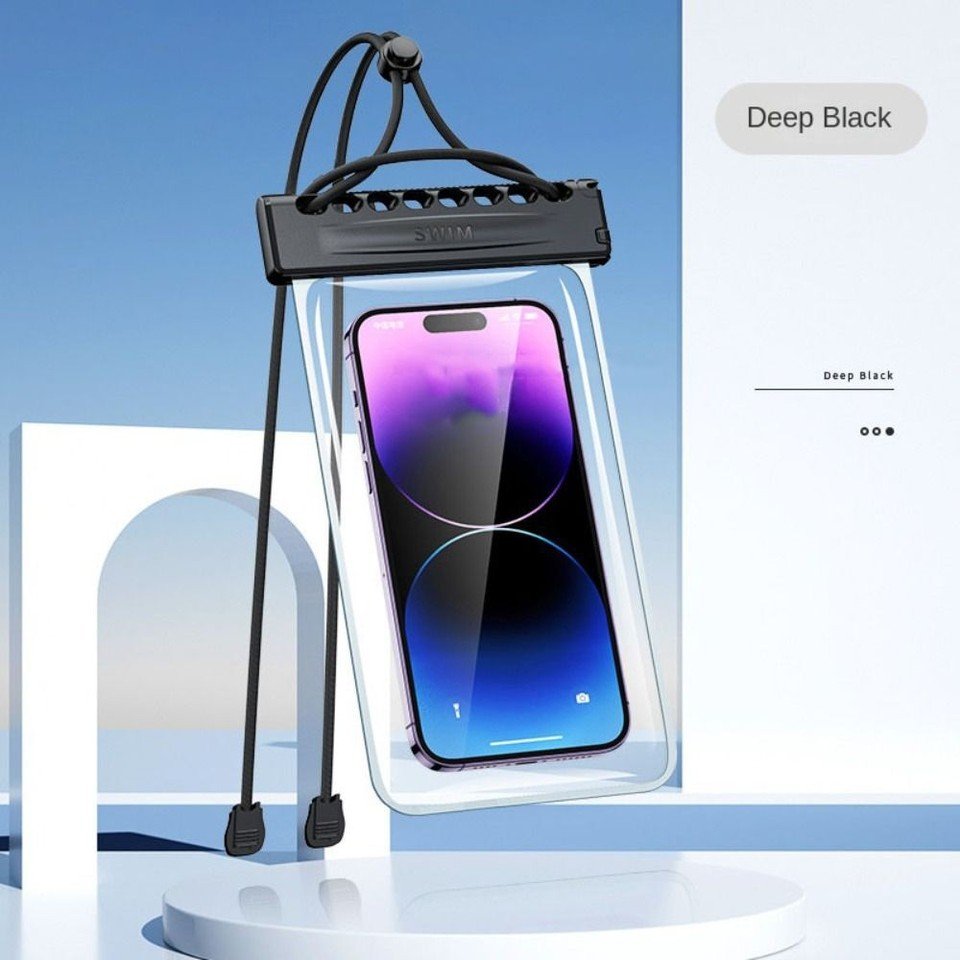
In winter your phone is your map, your ticket, your hotel confirmation and your camera — and winter is exactly when it is most at risk. Rain gets into pockets, cold saps battery faster, and wet hands make drops more likely. A waterproof phone pouch seals your phone behind a clear, touchscreen-friendly window, so you can check directions, show a ticket or take a photo without exposing the phone to rain, snow or a puddle.
Test the seal before you rely on it: put a tissue inside, seal the pouch, and hold it under a tap for a few seconds. If the tissue stays dry, you can trust it. Keep the pouch on a lanyard or in an outer pocket so the phone stays accessible — a waterproof pouch buried at the bottom of a bag is no help when you are standing in rain trying to find a platform.
Cold-weather phone care goes with it. Keep the phone in an inside pocket when you are not using it, rather than in a cold outer pocket, and carry a charged power bank for long days out. A phone that dies in the cold is not broken; lithium batteries simply deliver less power when cold. Warming it in an inside pocket for a few minutes often brings it back.
4. Pack light and dry fast: a microfibre travel towel
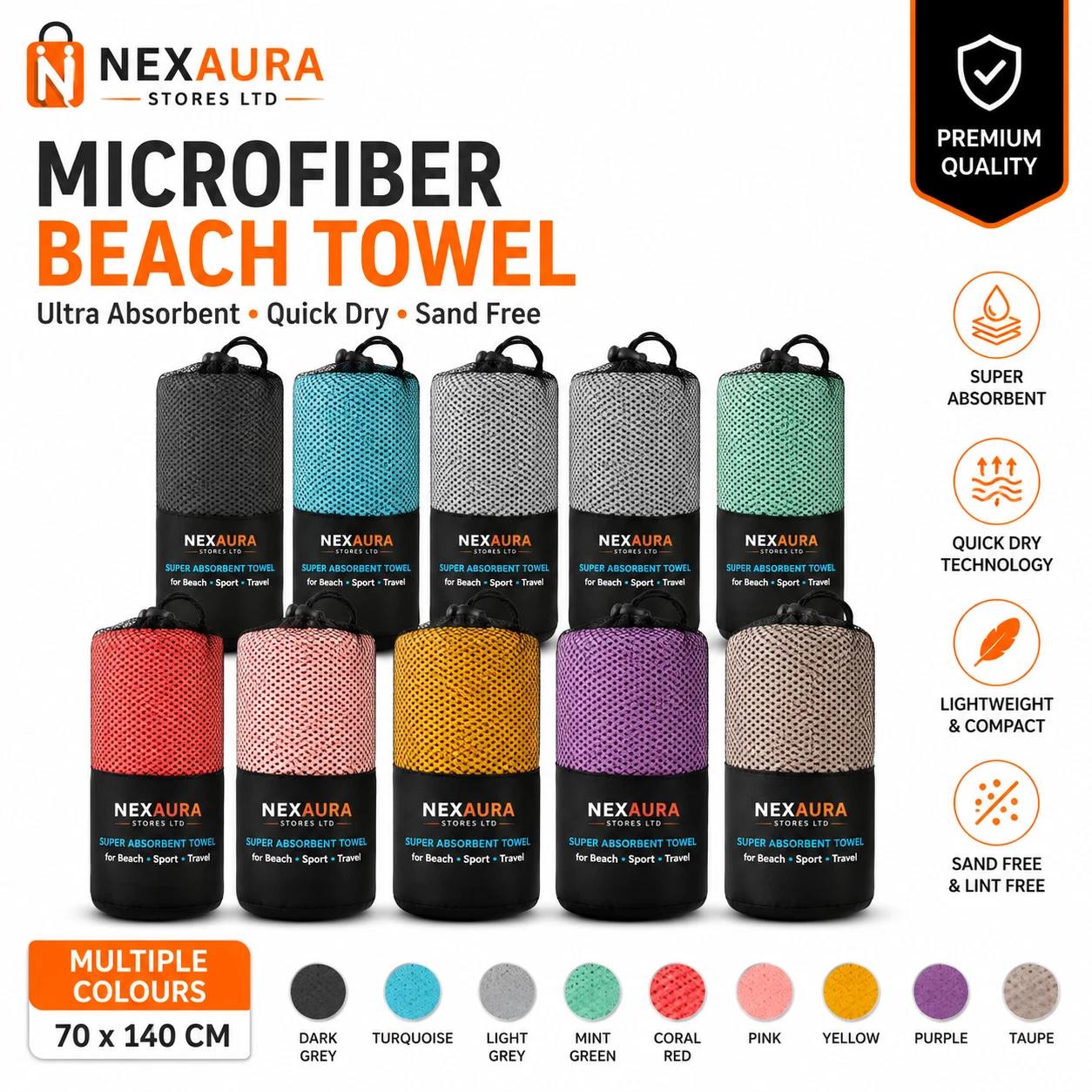
Bulky cotton towels are one of the worst uses of bag space in winter. They take ages to dry in a cold room, they stay damp in a bag, and they add weight you feel on every staircase. A microfibre travel towel packs down tiny, absorbs far more water than its size suggests, and dries in a fraction of the time — which matters when you are moving between places and cannot leave a wet towel hanging for a day.
Use it as a backup towel for guesthouses and rentals, as a gym or swimming towel, or as an emergency drying cloth for wet coats, boots and bags. In a winter cottage or a budget hotel where towels can be thin, having your own reliable towel is a small luxury. Roll it, do not fold it, and store it in its own mesh bag so a damp towel never soaks the rest of your packing.
A simple winter packing checklist
Beyond the four items above, a short checklist prevents the most common winter-trip mistakes. Pack layers rather than one heavy coat if you can, including a warm hat and gloves — you lose a surprising amount of heat from an uncovered head on a windy platform. Bring your chargers and a power bank, and keep tickets, ID and hotel details both on your phone and as a paper backup or screenshot, in case signal or battery fails.
- Layers first. A thermal base layer plus a mid-layer beats one bulky jumper for warmth and packing space.
- Waterproof outer layer. A packable waterproof jacket or a reliable umbrella saves more trips than any gadget.
- Warm feet. Thick socks and waterproof shoes matter more than an extra outfit.
- Small comforts. Lip balm, hand cream and a reusable water bottle make dry, heated indoor air far more bearable.
- An early start. In winter, allow extra time for every leg of the journey — delays are normal, not exceptional.
OUR PICK
Portable Travel Door Lock — Extra Security for Hotels & Apartments
The smallest item on this list, and the one travellers say they wish they had bought sooner. It fits most standard doors in seconds with no tools and no damage, adds a serious second lock from the inside, and weighs almost nothing. For solo travellers, families and anyone staying somewhere unfamiliar, it buys something no other item on this list can: a properly relaxed night’s sleep.
Frequently asked questions
What should I pack for a winter trip in the UK?
Layers, waterproofs, warm socks and shoes, chargers and a power bank — plus the small comfort and security items in this guide: a travel pillow for the journey, a portable door lock for the room, a waterproof phone pouch for rain, and a microfibre towel that dries fast. Pack for wet, cold and dark conditions, not for the weather you hope for.
Does a portable travel door lock work on hotel doors?
It works on most standard inward-opening doors with a conventional strike plate, which covers the majority of hotel and rental doors. It will not fit every door type — sliding doors and some specialist locks are exceptions — so check the door when you arrive and always use the main lock as well.
Can I use a touchscreen through a waterproof phone pouch?
Yes. The clear window is designed to stay touch-responsive, so you can scroll, type and take photos without opening the pouch. Test it with your own phone model before travelling, and test the seal with a tissue under a tap first.
Is a microfibre towel as good as a cotton towel?
For travel, it is better in the ways that matter: it packs far smaller, absorbs well for its size, and dries much faster in a cold room. It feels different from a thick cotton bath towel, so it is best as a travel and backup towel rather than a full replacement at home.
Why does my phone battery drain faster in the cold?
Cold temperatures slow the chemical reactions inside lithium batteries, so they deliver less power and can shut down sooner. Keep the phone in an inside pocket, avoid leaving it in a cold car overnight, and carry a power bank for long winter days out.
How can I sleep better on a winter journey?
Use a supportive U-shaped memory foam pillow, keep your neck warm with a scarf, avoid heavy meals and too much caffeine before the journey, and download podcasts or music in advance so you are not relying on patchy signal. Arriving rested is worth more than any in-flight extra.
READY FOR YOUR NEXT TRIP?
Shop Accessories at Nexaura Stores
Travel essentials, everyday accessories and practical home picks — secure checkout and UK delivery as standard.