 NEXAURA STORES


 Sell on Nexaura
NEXAURA BUYING GUIDE
Winter Baking Essentials: 7 Tools for Cosy Weekend Bakes
When the days shorten and the kitchen becomes the warmest room in the house, baking is the weekend activity that pays for itself. A tray of scones, a loaf of banana bread or a batch of ginger biscuits costs very little, fills the house with a wonderful smell, and gives you something genuinely good to offer visitors. You do not need a stand mixer or a shelf of specialist tins to bake well — you need a handful of reliable basics, used in the right order.
Winter is the best season to learn to bake, because cold-weather recipes are forgiving ones. Fruit loaves, flapjacks, shortbread and traybakes need no perfect piping or delicate decoration — just the right oven temperature, the right timing, and ingredients that are actually fresh. The tools below make the biggest difference, in the order you will reach for them on a Saturday afternoon.
1. A timer you can actually hear
Most baking failures are timing failures. A cake that was perfect at twenty-five minutes is dry at thirty-five, and the difference between golden biscuits and burnt ones is often less than two minutes. Phone timers fail bakers constantly: the phone is in another room, its volume is down, or a call silences the alarm altogether. A dedicated kitchen timer removes all of that uncertainty, and it is the single cheapest upgrade any baker can make.

A magnetic digital kitchen timer with a large, clear display and a loud alarm is ideal for baking because it can sit on the fridge or the oven door, exactly where you will see it, and its alarm is loud enough to hear from another room. Set one timer for the bake and, if you are making two things at once, a second for the proving dough or the cooling tray. Write the time on a scrap of paper next to the timer if you are juggling recipes, so a glance tells you what is due and when. Good bakers are not people with better instincts than everyone else; they are people who never guess at the time.
2. Grease the tin properly, every time
Nothing is more disheartening than a beautiful cake that refuses to leave its tin. Half of it stays behind, the top tears, and what reaches the plate looks like a rescue job rather than a bake. The usual cause is uneven greasing: butter smeared thickly in one corner and missed entirely in another, or flour dusted over butter that has already melted into the tin. An even, thin coat of oil reaches every corner, including the awkward joins of a loaf tin, and it does so in seconds.
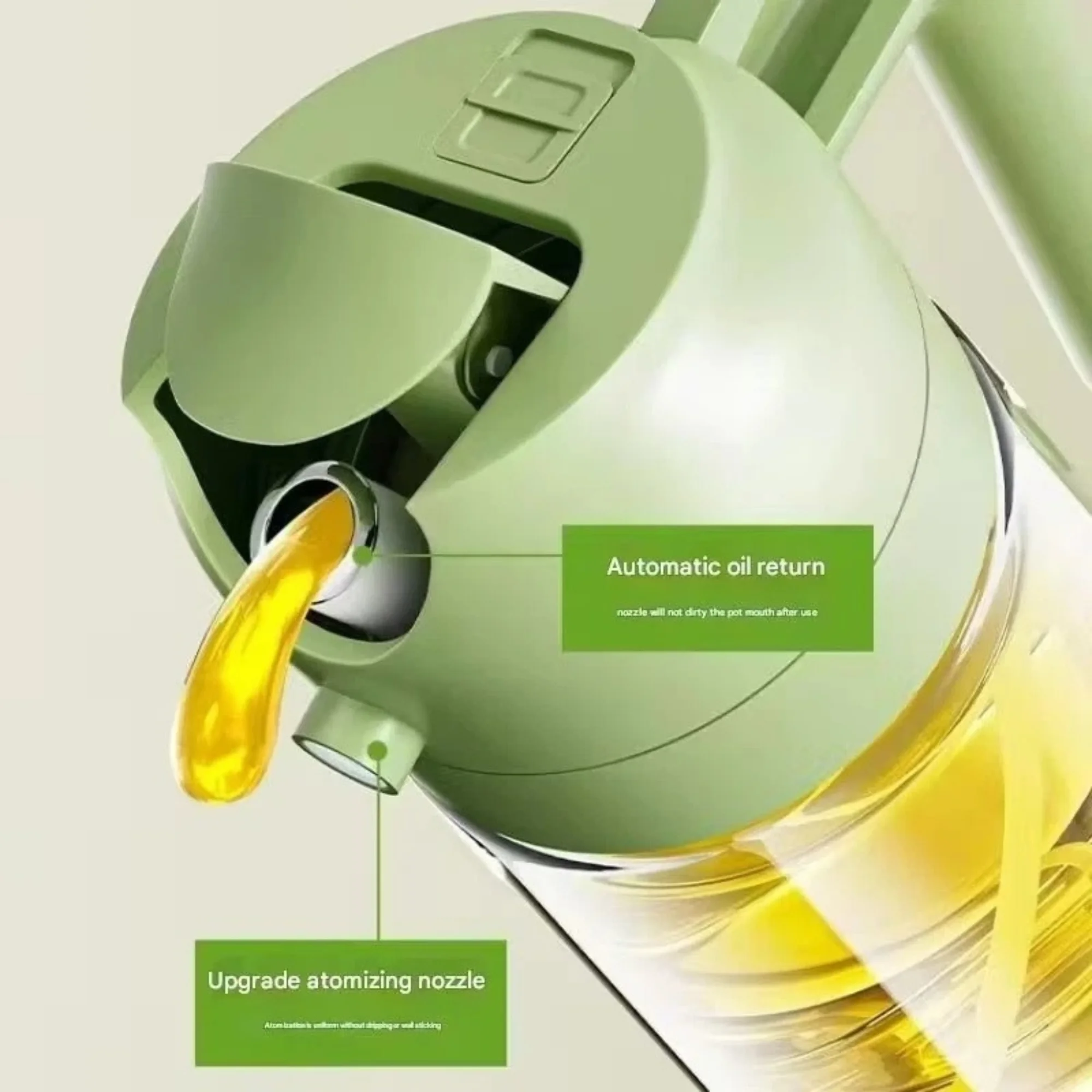
A 2-in-1 oil dispenser and sprayer gives you both options in one glass bottle: pour for a measured drizzle into a recipe, or spray for a fine, even mist across a baking tin, a roasting tray or a sheet of parchment. Hold it about fifteen centimetres from the tin and give two or three light passes, turning the tin as you go, and the whole surface will be coated without pools of oil. The same sprayer earns its keep all winter for roasting vegetables, brushing pastry and lightly oiling a griddle, so it is a baking tool that never sits idle between weekends.
3. Give dough room to rise, covered
Bread dough, enriched doughs and even scone dough rise best when they are covered: the surface stays moist, a skin does not form, and the dough can expand without drying out. The traditional cover is a damp tea towel, which works, but it sticks to sticky dough, slips off the bowl, and ends up in the wash after every bake. A tight-fitting cover that you can see through is far more practical, because you can watch the dough double in size without lifting the cover and letting the warmth escape.
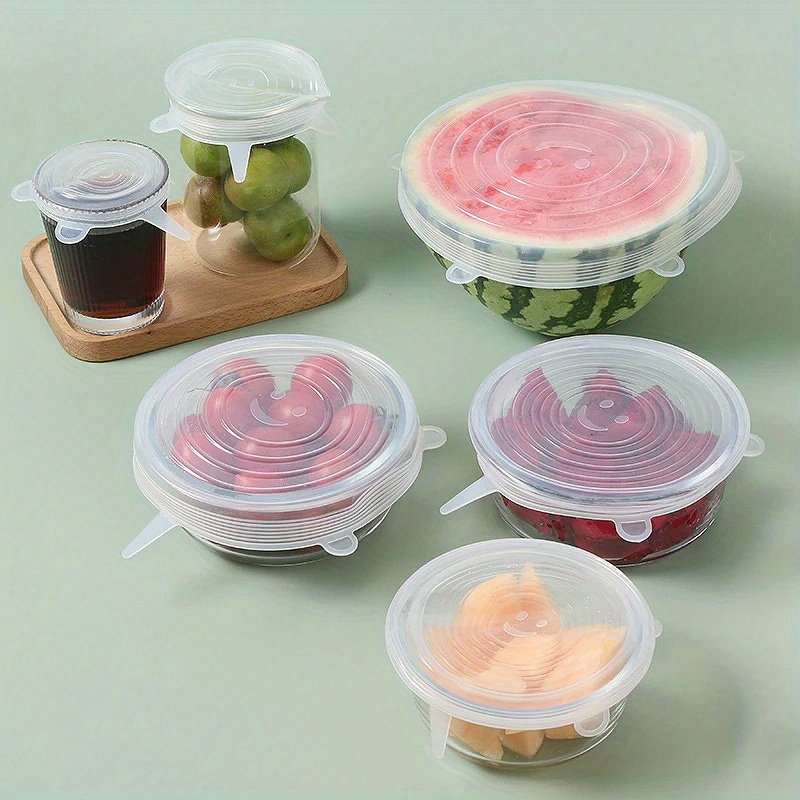
Silicone stretch lids stretch over bowls of almost any size, sealing tightly enough to keep warmth and moisture in while dough proves. The same set covers a bowl of leftover cake, a dish of unbaked biscuit dough waiting in the fridge, and a plate of scones you want to keep fresh until visitors arrive. Because the lids are reusable and washable, they replace roll after roll of cling film, which tears, sticks to itself and never quite seals a large bowl. For a winter baker, one set covers proving, storing and transporting, all in the same afternoon.
4. Keep flour, sugar and dried fruit fresh
Baking is only as good as its ingredients, and winter baking ingredients spend a long time sitting in cupboards. An opened bag of flour absorbs moisture and kitchen smells, self-raising flour slowly loses its lift, and dried fruit dries out further until it is hard in the finished cake. Folded-over bag tops and bag clips let air in steadily, so by the time you reach for the flour for a Christmas cake, it is already past its best. This is the quiet, invisible reason many home bakes disappoint.
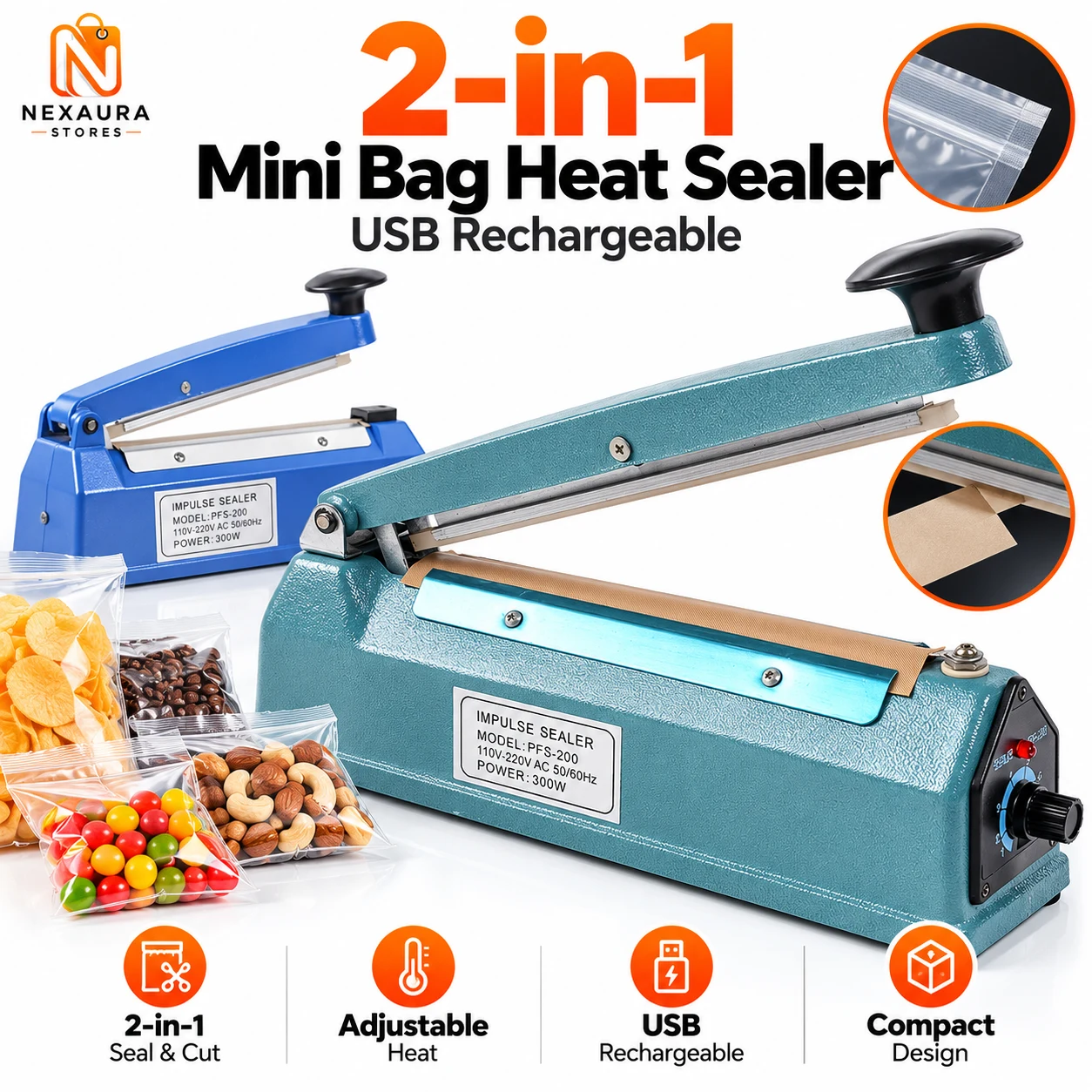
A mini bag heat sealer reseals an opened bag in seconds with a heat seal as airtight as the original factory seal, and it is small enough to live in a kitchen drawer. Run it across the top of the flour, sugar, dried fruit and nut bags after every bake, and your ingredients stay dry, fresh and free of cupboard smells for months. It also reseals opened packets of chocolate chips, desiccated coconut and baking powder, the small ingredients that make the difference between a good bake and a great one. Five minutes of resealing after a baking session protects every bake you make for the rest of the season.
5. Finish the afternoon properly: a proper hot drink
A baking afternoon is only half finished when the cake comes out of the oven. The other half is sitting down with a slice while it is still slightly warm, with a hot drink that matches it. A mug of frothy hot chocolate with a ginger biscuit, or a cappuccino with a slice of banana bread, is the whole point of winter baking, and it is worth doing properly rather than with a spoonful of instant coffee stirred into hot milk.
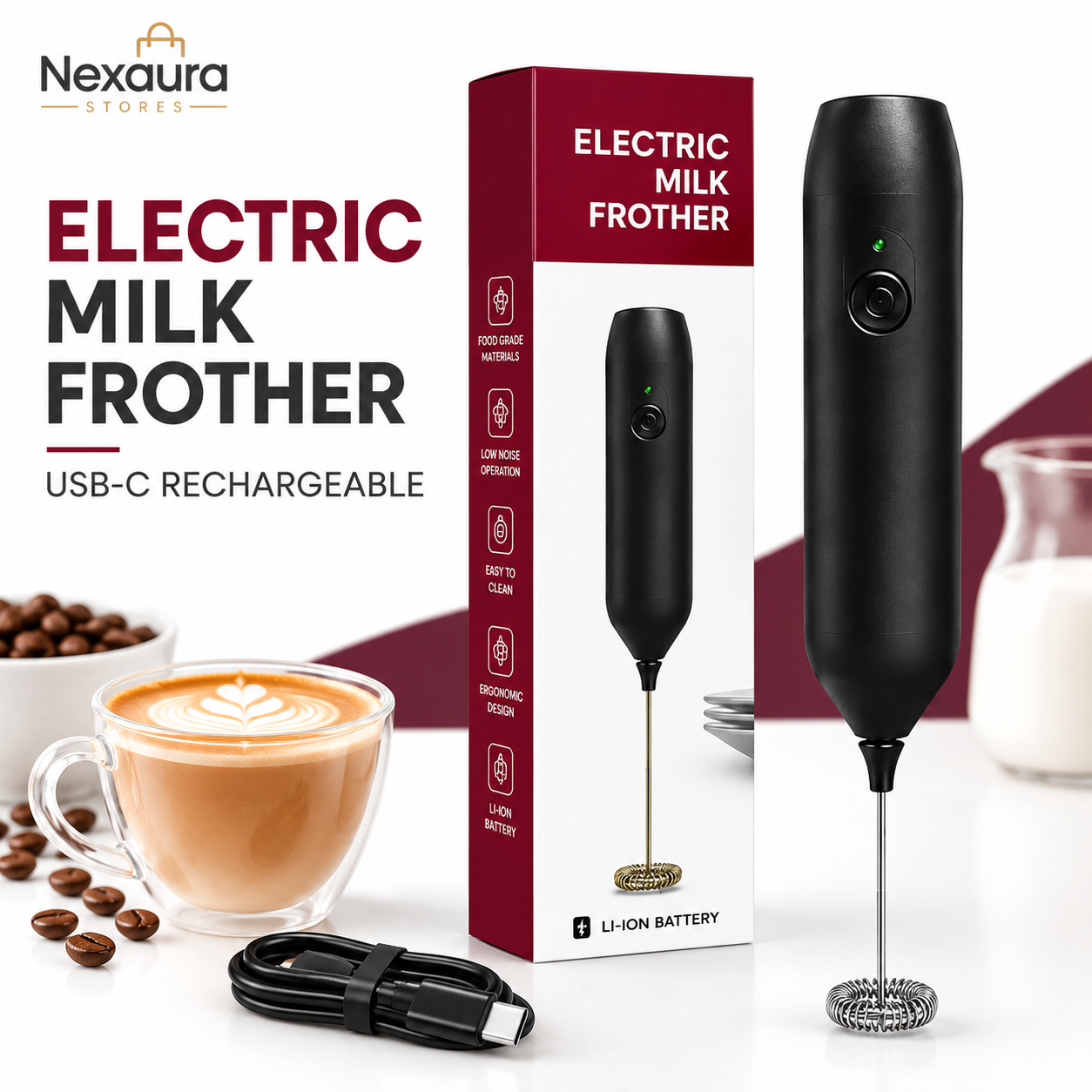
An electric milk frother turns warm milk into thick, café-style foam in under a minute, and it is rechargeable over USB, so there are no batteries to buy and no bulky machine to store. Froth the milk, pour it over hot chocolate or coffee, dust with cocoa or cinnamon, and the afternoon feels complete. It is a small, inexpensive tool, but it turns a home bake into an occasion, exactly what winter weekends are for.
A simple winter baking weekend, start to finish
If you are new to baking, start with one forgiving recipe and build from there. On Saturday morning, make a traybake or a batch of flapjacks: melt, mix, press into a lined tin, and bake. While it cools, reseal the bags you opened, so your ingredients are protected for next weekend. On Sunday, try scones or shortbread, which need only a few ingredients and half an hour in the oven. Serve them warm with frothy hot chocolate, and keep anything left over covered with a stretch lid so it is still good on Monday.
As you gain confidence, add one new recipe a month: a fruit loaf in November, gingerbread in December, a simple Victoria sponge in January. Keep notes on what worked — the oven temperature, the tin size, the timer setting — and within a season you will have a small repertoire of bakes you can make without a recipe.
OUR PICK
Magnetic Digital Kitchen Timer – Loud Alarm, Large LCD Display
If you buy one thing before your next bake, make it this timer. Almost every baking disappointment — a dry cake, burnt biscuits, a loaf left ten minutes too long — comes down to guessing at the time. A loud, clear timer stuck to the fridge or oven door removes the guesswork entirely, and it costs less than the ingredients of a single failed cake. Buy it first, and every bake after it will be better.
Also worth having ready before your next baking weekend: the oil dispenser and sprayer for perfectly greased tins, silicone stretch lids for proving and storing, the mini bag heat sealer for fresh ingredients, and the electric milk frother for the drink that goes with it. Browse the full Home & Garden range for more everyday essentials.
Frequently asked questions
What is the best first bake for a beginner?
Start with a traybake, flapjacks or shortbread. These recipes need no special equipment, no kneading and no decoration, and they are forgiving of small mistakes in timing or temperature. Once you can make one traybake confidently, move on to scones, then a simple sponge cake, adding one new skill at a time.
Why do my cakes stick to the tin?
Usually because the greasing was uneven or missed the corners. Use a fine, even coat of oil sprayed over the whole tin, including the joins, and line the base with baking parchment cut to size. Let the cake cool in the tin for ten minutes before turning it out, so it firms up and releases cleanly.
How do I know when a cake is actually done?
Use the timer as your guide, then check: the cake should spring back lightly when pressed, shrink slightly away from the sides of the tin, and a skewer pushed into the centre should come out clean or with just a few moist crumbs. If the skewer comes out wet, give it five more minutes and check again.
How should I store home bakes so they stay fresh?
Cool bakes completely before covering them, or trapped steam will make them soggy. Cover with a tight-fitting stretch lid or an airtight container, and keep them at room temperature for two to three days. Most cakes and biscuits freeze well for up to three months if wrapped tightly; defrost at room temperature and warm briefly in a low oven before serving.
Does self-raising flour really go off?
It loses its lift gradually rather than going off suddenly. Opened self-raising flour exposed to air and moisture can produce flat cakes within a few months. Keep it sealed airtight after every use, store it somewhere cool and dry, and if a bag has been open for a long time, test it with a small batch before committing it to a celebration cake.
COSY WEEKEND BAKES, DONE RIGHT
Shop Home & Garden at Nexaura Stores
Kitchen essentials, food prep tools and everyday value — secure checkout and UK delivery as standard.