 NEXAURA STORES


 Sell on Nexaura
NEXAURA BUYING GUIDE
Budget Slow Cooking: One-Pot Meals That Save Time and Money (UK Guide 2027)
Slow cooking is the quiet hero of a tight food budget. One pot, a handful of cheap ingredients, a few hours of gentle heat — and you get a meal that tastes like it took all day, because it did, without you standing over it. No expensive cuts, no long shopping list, no takeaway at 7pm because you are too tired to cook. If you want to spend less on food in 2027 without eating badly, learning to cook slowly, in one pot, is the single most useful skill you can pick up.
Slow cooking turns the cheapest ingredients into the best meals: tough, inexpensive cuts become tender, dried lentils and beans — pennies per portion — become rich and filling, and root vegetables become the backbone of stews and curries. A pot that feeds four on Sunday will usually feed two again on Monday, and a full freezer turns one afternoon of cooking into several easy weeknight dinners.
It also saves your time, not cooking time: a slow-cooked meal needs ten to twenty minutes of preparation, then looks after itself while you work or rest — unlike a stir-fry that needs you at the hob for half an hour just when everyone is hungry.
Five rules that make slow cooking work
First, do not lift the lid: every peek lets heat escape and costs up to half an hour of recovery. Second, use less liquid than for hob cooking — a lidded pot loses almost no steam, so cover ingredients by about two-thirds. Third, brown meat first when you can; ten minutes in a hot pan adds depth no extra cooking time can replace. Fourth, add delicate ingredients late: herbs, greens and dairy go in during the last half hour. Fifth, season at the end, as salt concentrates while liquid reduces.
Start with the right base: cheap, filling, forgiving
The best one-pot meals are built on a base that costs little and forgives mistakes: onions, carrots, celery, garlic and tinned tomatoes carry almost any stew, curry or soup. Add lentils for body, potatoes for bulk and beans for protein, and you have a meal for a couple of pounds. Keep these staples sealed and stocked, and your cupboard is always ready — which stops the expensive last-minute takeaway.
If you eat meat, choose cuts made for slow cooking — shin, shoulder and stewing steak are often half the price of grilling steak and far more tender after a few hours. Beyond a pot with a tight lid, no specialist equipment is needed.
1. Cut the prep time down: chop everything in minutes
The only real work in slow cooking is preparation, and that is where most people give up. Dicing an onion, carrots, potatoes and garlic by hand can take forty minutes before anything is on the heat — too long on a busy evening, and why so many slow cookers sit unused.
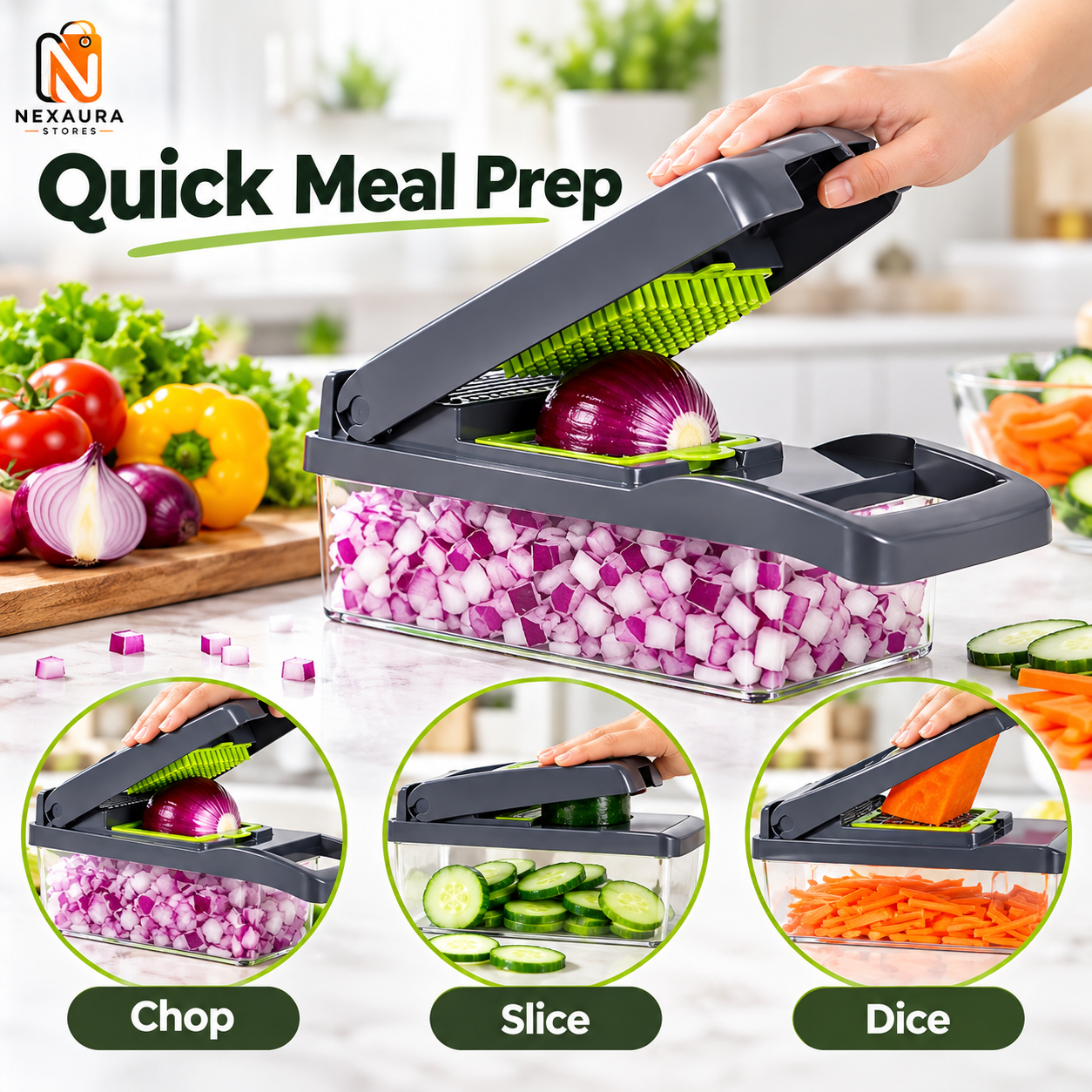
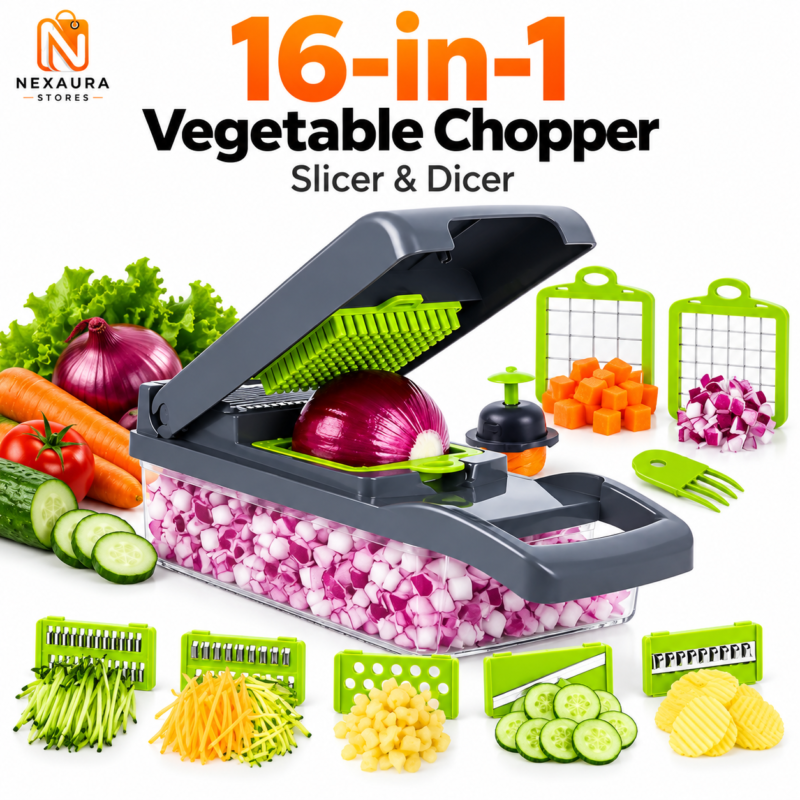
A 16-in-1 vegetable chopper changes that equation completely. Onions, carrots, potatoes and peppers go through in seconds, in even pieces that cook at the same rate — which matters in a slow pot, where a chunk that is twice the size of its neighbours will still be hard when everything else is done. Even chopping means even cooking, and even cooking means no more fishing out raw carrot from an otherwise perfect stew. Prep drops from forty minutes to ten, and slow cooking becomes something you can start after work instead of only at weekends.
2. Peel fast and waste less
Root vegetables are the cheapest one-pot base, but peeling them with a blunt knife wastes time and food. A thick peel takes good vegetable with it, and you do this job for every pot, so a good tool pays for itself in a week.
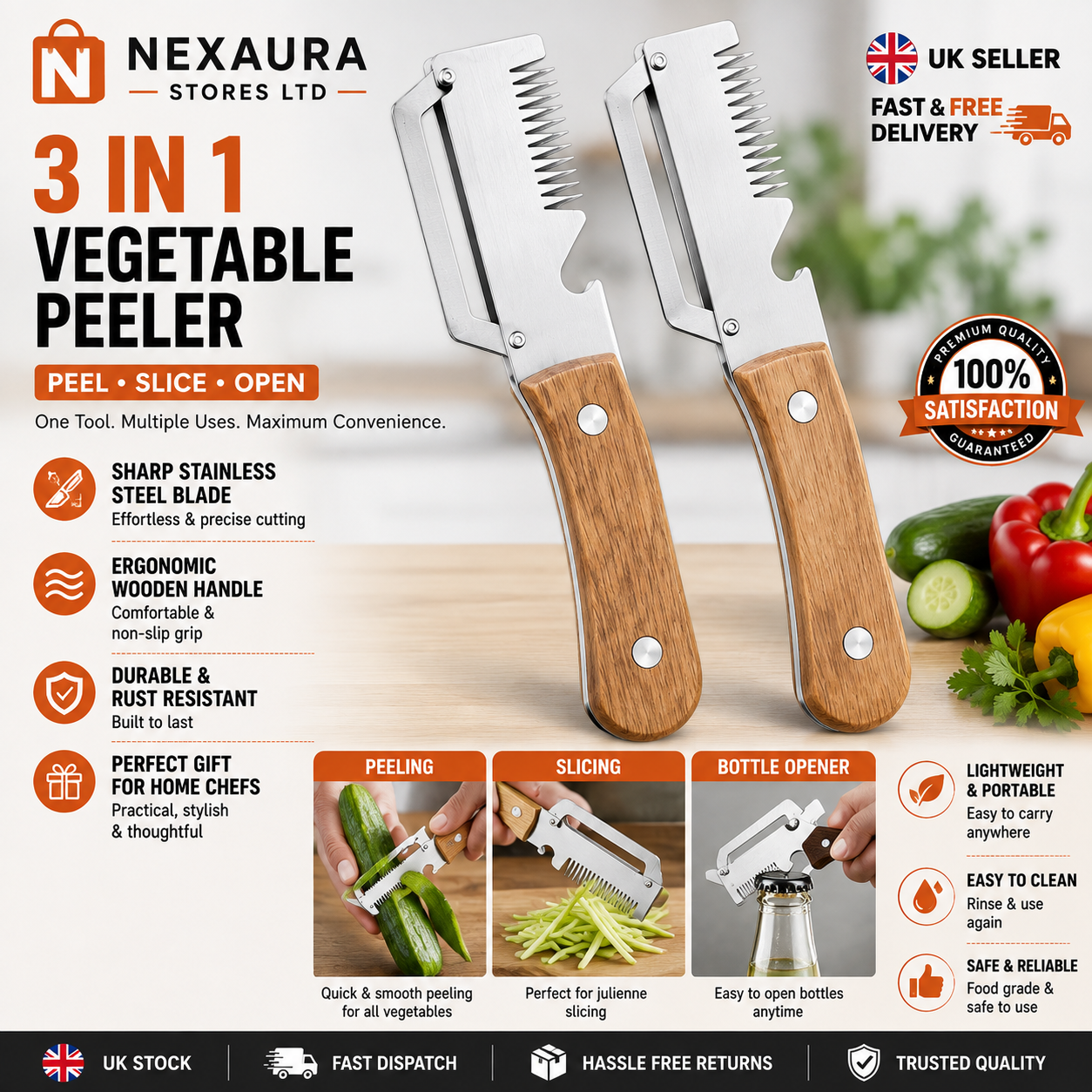
A 3-in-1 stainless steel peeler set takes thin, clean peels off potatoes, carrots, parsnips and butternut squash with very little effort, and the different blades cover straight peeling, julienne strips and the fiddly tops and eyes. Less waste means each bag of vegetables goes further, and a faster peel means the pot is on the heat sooner. Keep one peeler for vegetables and one for fruit, and you will never reach for a knife to peel again.
3. Brown properly, and measure the oil
Browning is the step recipes often skip but flavour rewards. Raw meat will still turn tender, but it stays pale and flat; ten minutes in a hot, lightly oiled pan builds the rich flavour that makes a stew taste restaurant-made. Use a thin, even coat of oil — too much turns the stew greasy, too little makes it stick.
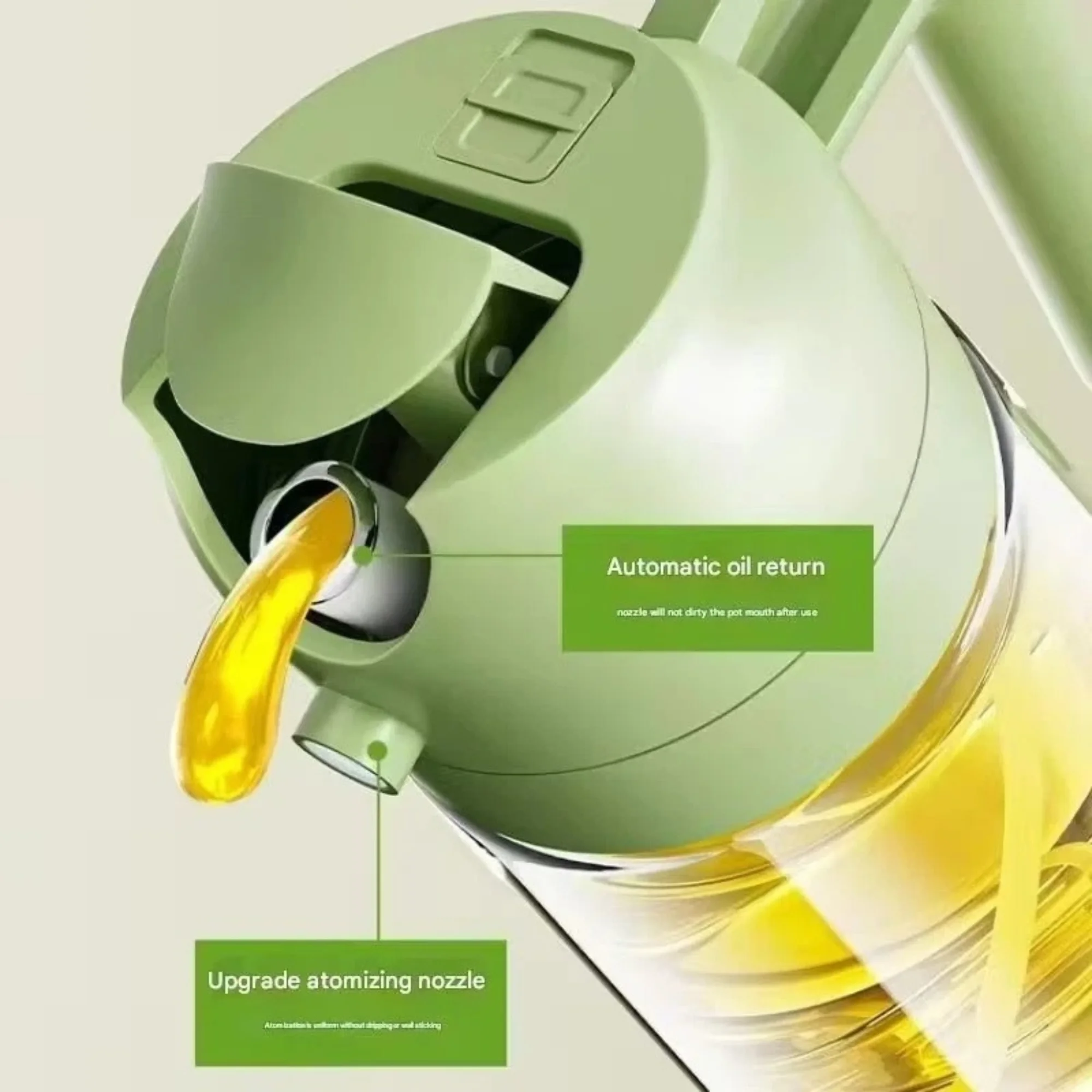
A 2-in-1 oil dispenser and sprayer gives you both options from one bottle: a measured pour for the pan and a fine spray for greasing the pot or a roasting tray. It stops the glugging bottle that floods the pan, keeps the worktop clean, and makes it easy to use just enough oil — which saves money on oil as well as on the meal. Use the spray for vegetables you are roasting to go alongside the pot, and the pour for the browning pan.
4. Time it, then leave it alone
Slow cooking rewards patience and punishes hovering. Once the pot is on, walk away — but still know when it is done. An hour too long turns a stew to mush; an hour too early leaves meat tough and lentils chalky. Phone timers get silenced or forgotten, and guessing wastes good ingredients.
A magnetic digital kitchen timer solves that: set it, stick it to the fridge or oven door, and let its loud alarm tell you when to check. Set a second timer for the last half hour, when herbs or cream go in.
5. Cook once, eat three times: the batch plan
The real saving is not one cheap meal — it is batch cooking. Make a double pot on Sunday: eat one portion that evening, keep one in the fridge for Monday, and freeze the rest in single portions. A freezer full of home-made portions is the best defence against a takeaway, because the easy option is now also the cheap one.
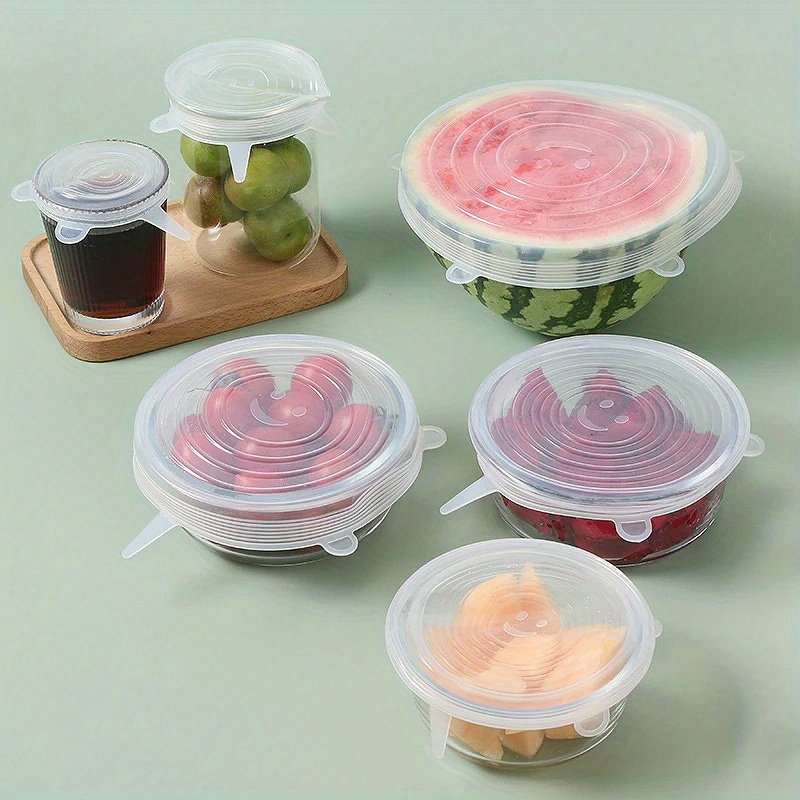
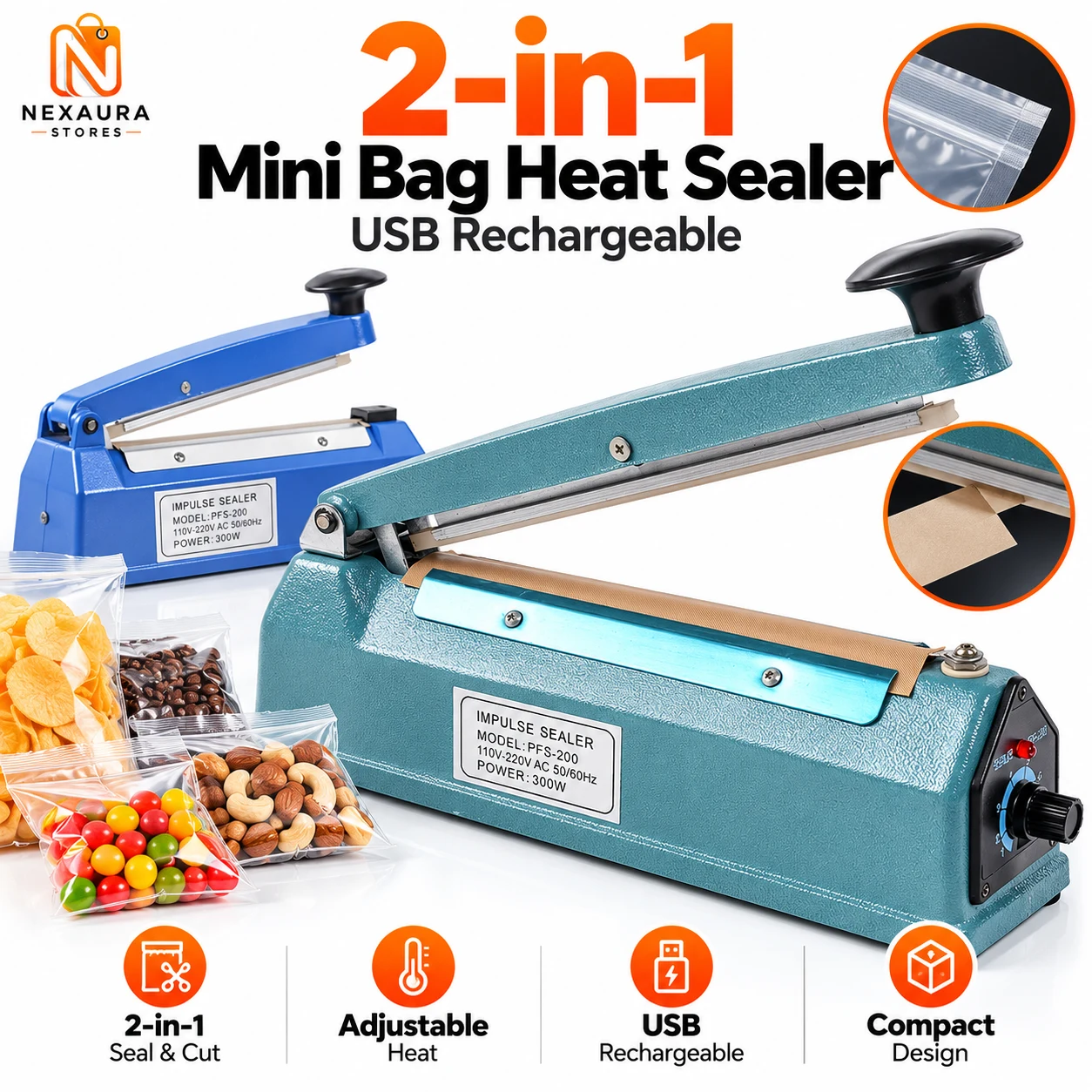
Silicone stretch lids make the fridge portion easy: they stretch over almost any bowl, sealing leftovers tightly without cling film and without hunting for a matching lid. For dry staples, a mini bag heat sealer reseals opened bags of lentils, rice, pasta and dried herbs with an airtight seal, so the cheap bulk buys that make slow cooking affordable stay fresh for months instead of going stale. Together, they protect both ends of the batch plan: the food you cooked and the food you will cook next.
Label frozen portions with the dish and date, defrost overnight in the fridge, and reheat until piping hot — a home-cooked dinner in ten minutes on a night you would otherwise have ordered in.
Three one-pot meals to start with
Lentil and root vegetable stew: onion, carrot, parsnip, potato, red lentils, tinned tomatoes, stock and a bay leaf, cooked low for three hours. It costs very little, it is filling without meat, and it freezes beautifully. Chicken and chickpea curry: brown chicken thighs, add onion, garlic, ginger, spices, chickpeas and tinned tomatoes, and cook for three to four hours. Serve with rice, and keep half for lunches. Beef and barley pot: stewing beef, barley, carrots, celery and stock, cooked until the beef falls apart and the barley thickens the gravy. This is the Sunday pot that becomes Monday’s lunch and Tuesday’s dinner with a little extra bread.
All three follow the same pattern: chop, brown if using meat, add everything to the pot, set the timer, and leave it.
OUR PICK
16-in-1 Vegetable Chopper – Slicer, Dicer & Multi-Function Kitchen Tool
If you buy one thing for slow cooking, make it the chopper. Slow cooking fails most often at the preparation stage, not the cooking stage — and a tool that turns forty minutes of chopping into ten minutes is what turns slow cooking from a weekend project into an everyday habit. Even pieces cook evenly, prep stops being a chore, and the pot is on the heat before you have talked yourself out of it.
Also worth having ready for your slow-cooking cupboard: the 3-in-1 peeler set for fast peeling, the oil dispenser and sprayer for browning, the magnetic kitchen timer for hands-off timing, silicone stretch lids for leftovers, and the mini bag heat sealer for fresh staples. Browse the full Home & Garden range for more everyday essentials.
Frequently asked questions
Is slow cooking actually cheaper than fast cooking?
Yes, usually by a clear margin. Slow cooking uses cheaper cuts and dried pulses, it stretches one pot into several meals, and batch cooking replaces takeaways. The energy cost of a low oven or slow cooker for a few hours is generally less than the cost of one delivered meal for a family.
How long should a one-pot stew cook?
Most stews need three to four hours on a low heat, or six to eight hours on the lowest slow-cooker setting. Meat should be tender enough to pull apart with a fork, and lentils should be soft all the way through. If it is not ready, give it another half hour rather than turning the heat up.
Can I put raw meat straight into a slow cooker?
Yes, it is safe as long as the pot reaches a proper cooking temperature and stays there, but browning first gives a much better flavour and colour. For food safety, do not leave raw meat at room temperature while you prepare everything else — keep it chilled until it goes in the pan or the pot.
Why is my slow-cooked stew watery?
Almost always because too much liquid went in at the start. A lidded pot loses very little steam, so use less liquid than a hob recipe calls for. If a finished stew is still thin, remove the lid for the last half hour, or stir in a spoonful of cornflour mixed with cold water and simmer briefly.
How long do slow-cooked leftovers keep?
In the fridge, eat them within two to three days, kept covered and cooled quickly after cooking. In the freezer, most stews, curries and soups keep well for up to three months. Always reheat until piping hot throughout, and only reheat leftovers once.
COOK ONCE, EAT WELL ALL WEEK
Shop Home & Garden at Nexaura Stores
Kitchen tools, food storage and everyday value — secure checkout and UK delivery as standard.