 NEXAURA STORES


 Sell on Nexaura
NEXAURA BUYING GUIDE
New Year Pantry Reset: Staples to Stock in January (UK Guide 2027)
January is the cheapest month to eat well — if your cupboards are organised. Clear the stale, the doubled-up and the out-of-date, then restock a short list of versatile staples that turn into dozens of meals. Here is the practical reset, plus the small tools that keep it tidy.
After Christmas, most pantries tell the same story: half-open bags of rice, a tin nobody remembers buying, spices bought twice because the first jar was hiding at the back, and flour open since summer. A January reset is not about buying everything new — it is about clearing what is stale and restocking a short list of staples you will actually use.
Done properly, the reset takes an afternoon and pays for itself within a fortnight: fewer duplicates, less waste, and faster weeknight cooking.
Step one: the January clear-out
Take everything out of one cupboard at a time — never the whole kitchen at once, or you will be eating dinner surrounded by tins. Check best-before dates, but use your senses too: flour that smells musty, oil that smells like old crayons, and spices that smell of nothing at all have all had their day. Decant what survives into clean, labelled containers so you can see at a glance what you have, and put the things you use daily at eye level and the occasional items up high.
Opened bags are where freshness is lost. Once a bag of rice, pasta, flour or cereal is open, air and moisture get to work, and a bag clip that slips off in the cupboard is no protection at all. Resealing opened bags is the cheapest freshness upgrade in the kitchen — and it stops the slow drift of half-empty bags multiplying across your shelves.
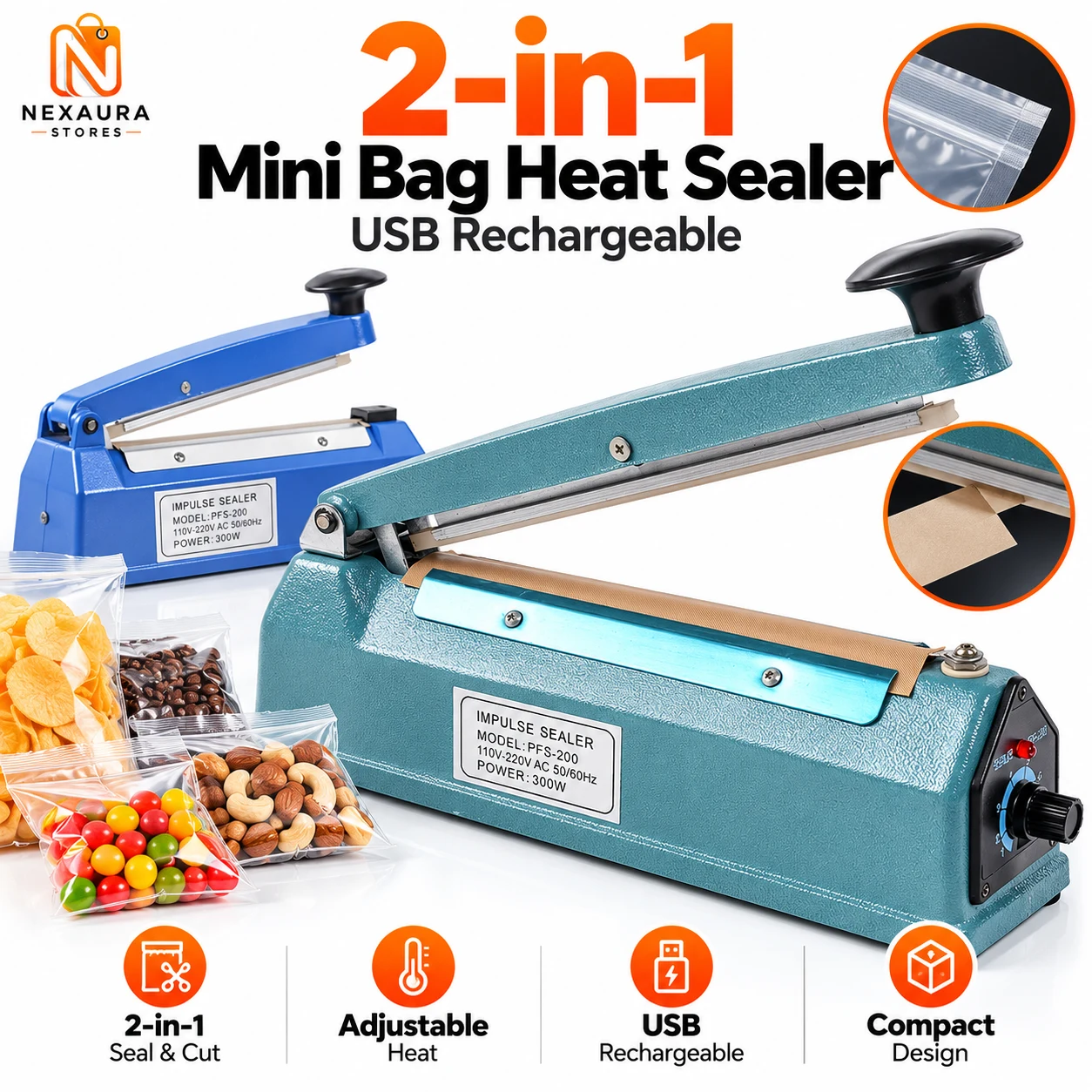
A mini bag heat sealer seals an opened bag in seconds with a proper heat seal, rather than a clip that works loose. It is rechargeable over USB, small enough to live in a drawer, and it pays for itself the first time it saves a bag of coffee, nuts or cereal from going stale. Use it on every bag you open during the reset, and make resealing part of putting the shopping away from now on.
The grains and pulses: the backbone of cheap January cooking
If you stock nothing else, stock these. Long-grain or basmati rice, dried or tinned lentils, a tin or two of chickpeas and kidney beans, rolled oats, and one good pasta shape — penne or fusilli, which hold sauce better than spaghetti for weeknight cooking. Together they cover curries, soups, stews, grain bowls, porridge and pasta bakes, and they cost pennies per portion. Buy own-brand, buy in the sizes you will finish within a couple of months, and keep them in sealed containers away from heat and light.
Lentils deserve a special mention: red lentils cook in 25 minutes with no soaking and turn into soup, dal or a Bolognese-style sauce, high in protein and fibre. A weekly lentil dish is the cheapest way to eat well that actually fills you up.
Tins, jars and flavour builders
A well-stocked tin shelf is a meal waiting to happen. Chopped tomatoes, tomato purée, coconut milk, tuna, sweetcorn and baked beans cover a surprising range of dinners on their own. Add stock cubes or paste, soy sauce, vinegar, honey, mustard and a jar of curry paste, and you have the flavour builders that turn plain grains and pulses into something you actually want to eat.
Be honest about the jars at the back: a spice loses most of its flavour after six months open, and ground spices fade faster than whole ones. Sniff every jar during the reset — if it smells faint, replace it, and buy small jars rather than bulk bags. The essentials are cumin, paprika, turmeric, chilli flakes, black pepper, oregano and mixed herbs.
Oils and vinegars: one good bottle, used properly
You do not need a shelf of oils. A neutral cooking oil for frying, a decent olive oil for dressings and finishing, and one vinegar — white wine or apple cider — will cover almost everything. Store oils away from the hob, where heat speeds up rancidity, and buy smaller bottles if you cook for one or two: a large bottle that sits open for a year is worse than a small bottle bought fresh.
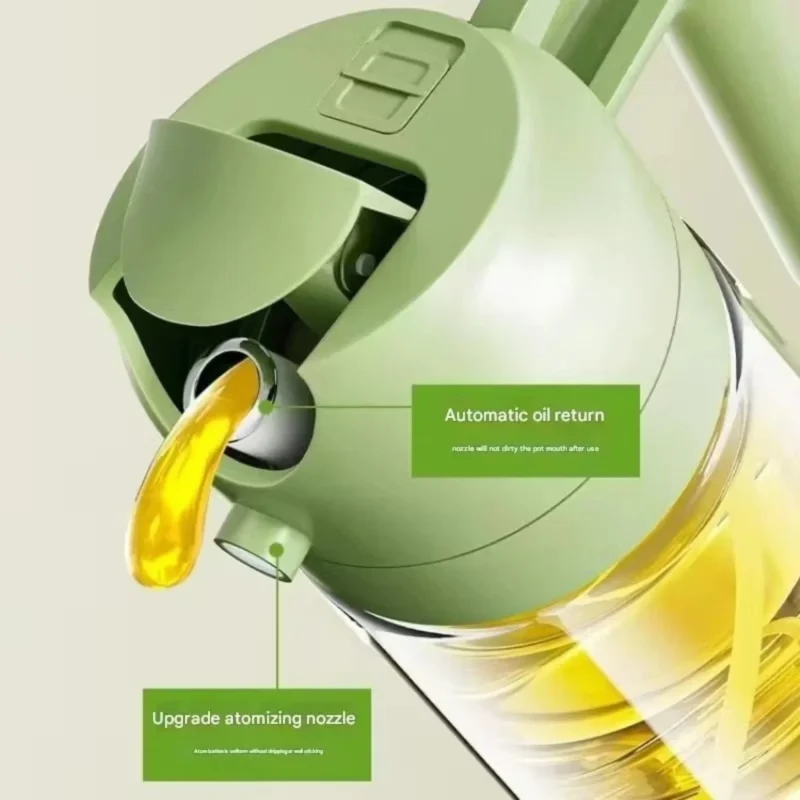
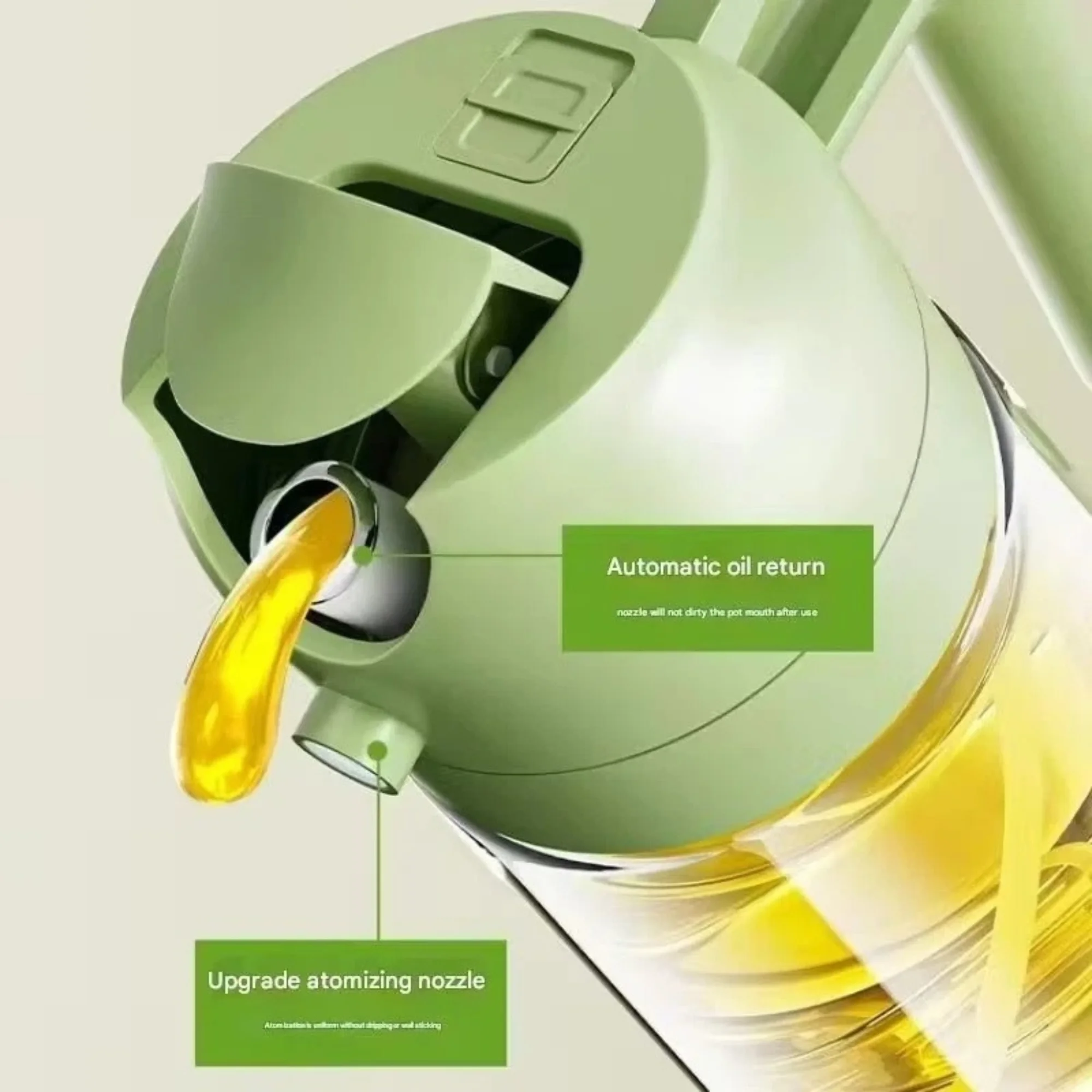
A 2-in-1 oil dispenser and sprayer is a small upgrade that changes daily cooking: pour for frying and dressings, spray for roasting vegetables, air-fryer cooking and greasing tins — with far less oil wasted and far less mess than pouring from a large bottle. The glass bottle is easy to refill, easy to clean, and looks tidy on a shelf rather than leaving a ring of oil on the worktop.
Baking basics and breakfast staples
January is baking season in disguise: cold weekends, a warm oven, and the cheapest comfort food there is. Plain flour, self-raising flour, baking powder, bicarbonate of soda, caster sugar, dried yeast and cocoa powder cover bread, cakes, scones and pancakes. Check your baking powder and yeast before you bake — both lose their lift with age, and a flat cake is usually a stale raising agent, not a bad recipe. Keep flour in a sealed container, not its paper bag, and write the opening date on the lid.
For breakfast, oats are the January hero: porridge, overnight oats and flapjacks from one bag, at a few pence a portion. Add peanut butter, jam or honey and mixed seeds, and breakfast is sorted without an expensive cereal box. Decant cereal into a sealed container the day you buy it so it stays crisp.
Keeping it fresh: storage that stops the reset undoing itself
The most common reason a pantry reset fails is storage. Open bowls, half-covered plates and cling film that tears every time are not storage — they are a slow leak of freshness and money. Leftovers, opened tins, half an onion and a bowl of cooked rice all need a proper seal, and the same goes for the containers your staples live in. If you cannot see what is inside, you will buy it twice.
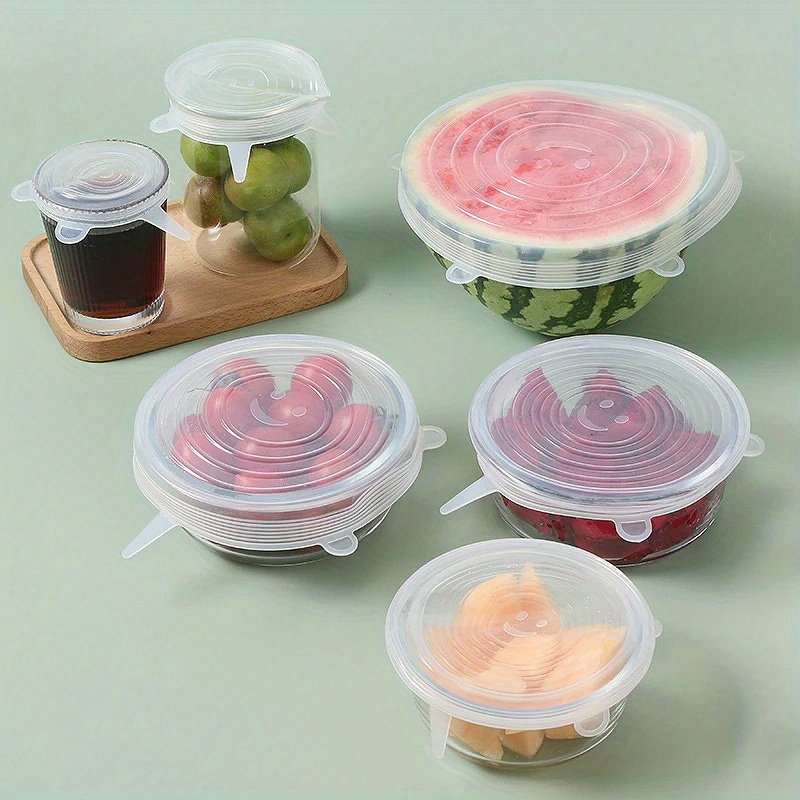
Silicone stretch lids cover bowls and containers of almost any size, seal tightly enough to keep fridge smells out, and are reusable — so you stop buying cling film that sticks to itself. Pair them with the heat sealer for bags and a clear labelling habit for jars, and the January reset stays reset: every staple visible, sealed, and dated, right through to spring.
Fresh flavour on a budget: herbs and prep tools
Dried herbs and spices do the heavy lifting in winter, but fresh herbs lift a plain January meal more than almost anything else — and they are also the thing most often wasted. Snip only what you need, keep the rest in water in the fridge like a bunch of flowers, and freeze what is left in ice-cube trays with a little oil for later. A pair of herb scissors makes snipping quick and even, with no board and no bruised leaves, which matters when you are cooking on a weeknight and every minute counts.
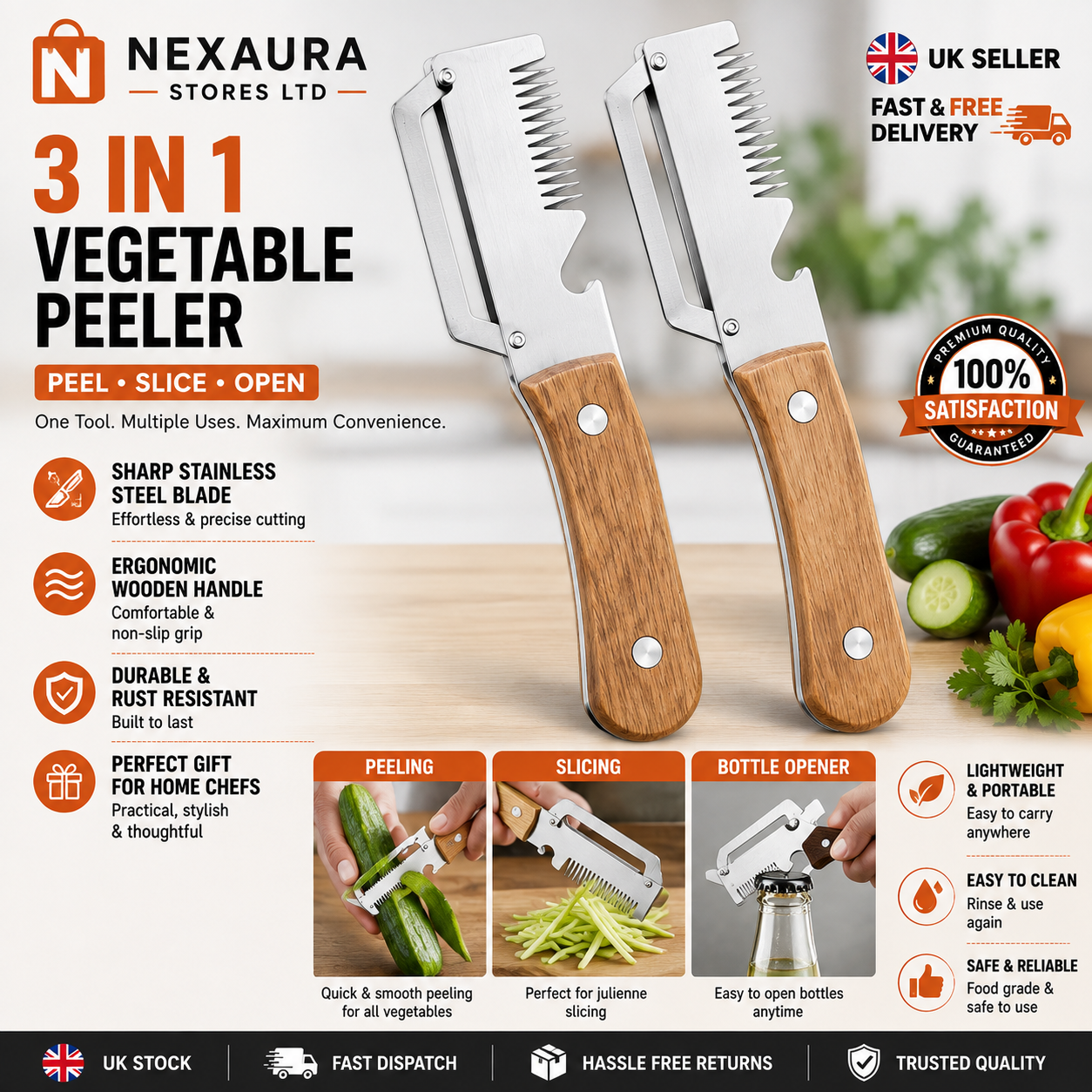
The same logic applies to prep: a sharp peeler and a decent chopper turn onions, carrots, potatoes and squash from a chore into a five-minute job. The 3-in-1 vegetable peeler and the 16-in-1 vegetable chopper often decide whether a from-scratch dinner happens or a takeaway gets ordered.
Your January shopping list: the short version
Grains and pulses: rice, oats, lentils, chickpeas, kidney beans, pasta. Tins and flavour: chopped tomatoes, tomato purée, coconut milk, stock cubes, soy sauce, vinegar, honey, mustard, curry paste. Oils: one neutral oil, one olive oil. Spices: cumin, paprika, turmeric, chilli flakes, black pepper, oregano. Baking: plain and self-raising flour, baking powder, bicarbonate of soda, sugar, yeast, cocoa. Breakfast: oats, peanut butter, seeds. That is the whole list — everything else is a bonus, not a staple.
Shop the list once, then shop only for fresh food each week. When the cupboard list is fixed, the weekly shop gets faster, cheaper and far less prone to impulse buys.
OUR PICK
2-in-1 Oil Dispenser & Sprayer (16oz Glass Bottle)
Oil is a January staple you use every single day, and this is the tool that stops it being wasted. Pour for frying, spray for roasting and air-frying, refill from a larger bottle, and keep the worktop clean. It is the smallest change in this guide — and the one you will notice most often.
Also handy for a pantry reset: the mini bag heat sealer for opened bags, silicone stretch lids for leftovers and bowls, and herb scissors for fresh flavour. Browse the full Home & Garden range for more everyday essentials.
Frequently asked questions
What staples should I stock in January?
Rice, oats, lentils, chickpeas, beans and pasta; tinned tomatoes, stock, soy sauce and vinegar; one neutral oil and one olive oil; cumin, paprika, turmeric, chilli flakes and black pepper; and flour, sugar, baking powder and yeast for baking. That short list covers dozens of meals.
How long do pantry staples last?
Unopened dried goods usually last 6–12 months, but once opened, flour is best within 3–6 months, ground spices lose flavour after about 6 months, and cooking oil should be used within a few months of opening. Store everything cool, dark and sealed, and check by smell as well as by date.
How do I keep opened bags of rice and cereal fresh?
Reseal them properly — a heat seal beats a clip — or decant them into airtight containers. Keep them away from heat and moisture, and only buy sizes you will finish within a couple of months.
Should I throw away out-of-date spices?
Out-of-date spices are rarely unsafe, but they are often flavourless — which means your cooking suffers for no saving. Sniff them: if a spice smells faint, replace it, and buy small jars rather than bulk bags.
What is the cheapest way to eat well in January?
Build meals around lentils, beans, rice, oats and seasonal vegetables, shop from a fixed staple list, and cook a weekly batch meal such as soup or stew. It cuts both the food bill and the takeaway habit at once.
How often should I reset my pantry?
A full reset once a season is plenty, with a quick check each month for anything opened, stale or duplicated. January is the best time for the full version, because Christmas leaves most cupboards at their messiest.
START JANUARY WITH A TIDY CUPBOARD
Shop Home & Garden at Nexaura Stores
Kitchen prep and storage essentials — secure checkout, UK delivery.