 NEXAURA STORES


 Sell on Nexaura
NEXAURA BUYING GUIDE
Budget Breakfasts: 7 Filling Weekday Ideas Under £1 a Portion (UK Guide 2027)
Breakfast is the meal most likely to be skipped, bought at a premium, or eaten standing up with a cereal bar that costs more than a proper meal. Yet it is also the cheapest meal of the day to get right. With a few storecupboard staples and ten minutes, you can eat well every weekday morning for under £1 a portion — and feel full until lunch.
The trick is choosing foods that are cheap per portion, naturally filling and quick to prepare. Oats, eggs, beans, bananas and bread all fit, and they keep well, so one weekly shop covers five breakfasts without waste. Costings below use typical UK supermarket prices for own-brand and value ranges.
Each idea takes ten minutes or less on the morning itself, or can be prepared the night before. None needs special equipment, although a couple of small kitchen tools make busy mornings easier, and we point those out where they genuinely help.
How the £1 maths actually works
A portion cost is the price of the ingredients you actually eat, not the whole packet. A 1kg bag of oats at around £1.10 gives roughly twenty-five portions, so about 4p a bowl; a dozen eggs at £2.40 is 20p an egg; a tin of beans is roughly 40p. Bought ready-made, a coffee-shop pastry and coffee can easily cost £5.
The other half of the maths is staying power. A breakfast that leaves you hungry by 10am is not a bargain, because the mid-morning snack wipes out the saving. Protein and fibre keep you full — eggs, beans, yoghurt and whole oats all score well, which is why they dominate this list.
1. Classic porridge with banana and a spoonful of peanut butter
Porridge is the champion of budget breakfasts. Fifty grams of oats, milk or water, half a sliced banana and a teaspoon of peanut butter comes to roughly 35–45p and keeps you full for hours. Cook it on the hob, or microwave for two minutes, stirring halfway through.
Vary it through the week — grated apple and cinnamon, frozen berries, honey and seeds — and buy oats in the largest bag you can store. For tight mornings, make overnight oats: stir oats, milk and yoghurt together the night before, cover and refrigerate, then eat cold or warmed briefly.
2. Eggs any way you like them — poached, scrambled or boiled
Two eggs on toast costs around 60–70p and delivers about 12g of protein — more staying power per penny than almost anything else in the supermarket. Scrambled eggs take three minutes; boiled eggs can be batched on Sunday and kept in the fridge for three days. Poached eggs are just as quick once you know the secret: simmering, not boiling, water and a splash of vinegar.
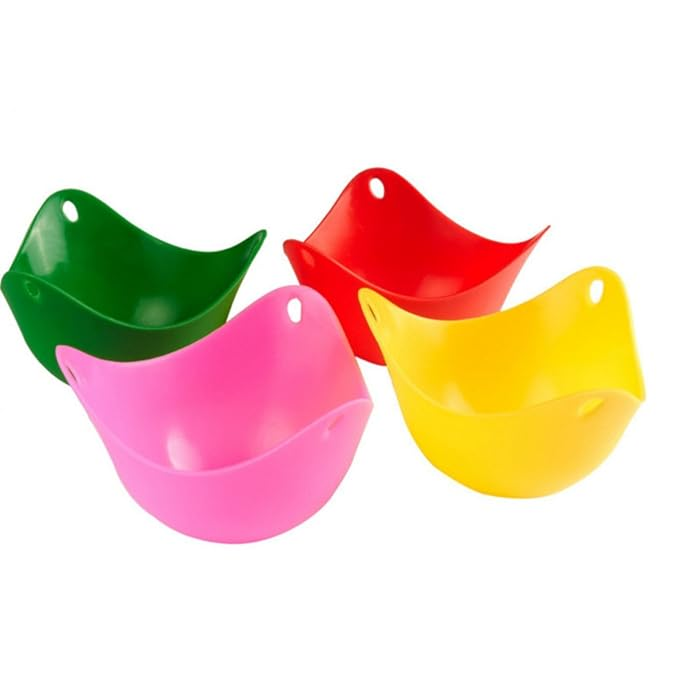
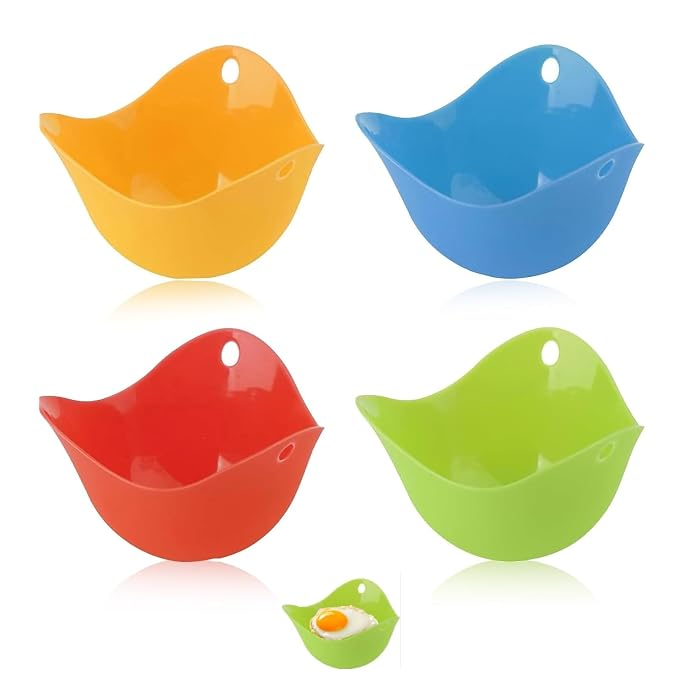
If pan-poaching usually ends in wispy whites, silicone egg poacher pods remove the faff: crack an egg into a pod, float it in simmering water, and lift out a neat poached egg minutes later. Serve on wholemeal toast with black pepper, or on a muffin with spinach wilted in the same pan.
3. Two-ingredient banana pancakes
Mash one ripe banana with two beaten eggs and fry small spoonfuls for about a minute each side. The plate costs roughly 50p, uses up over-ripe bananas, and reheats well — make a double batch on Sunday for Monday morning.
Keep the pancakes small — they flip more easily at a few inches across. A spoonful of yoghurt and a drizzle of honey on top, or a tablespoon of oats in the batter for extra staying power, finishes them nicely. It is also a good way to use up eggs approaching their date.
4. Beans on toast, upgraded
Beans on toast costs about 55p, but small upgrades lift it: thick wholemeal toast, beans warmed gently rather than boiled, black pepper and a grating of cheese. A fried or poached egg on top makes it substantial for under 90p.
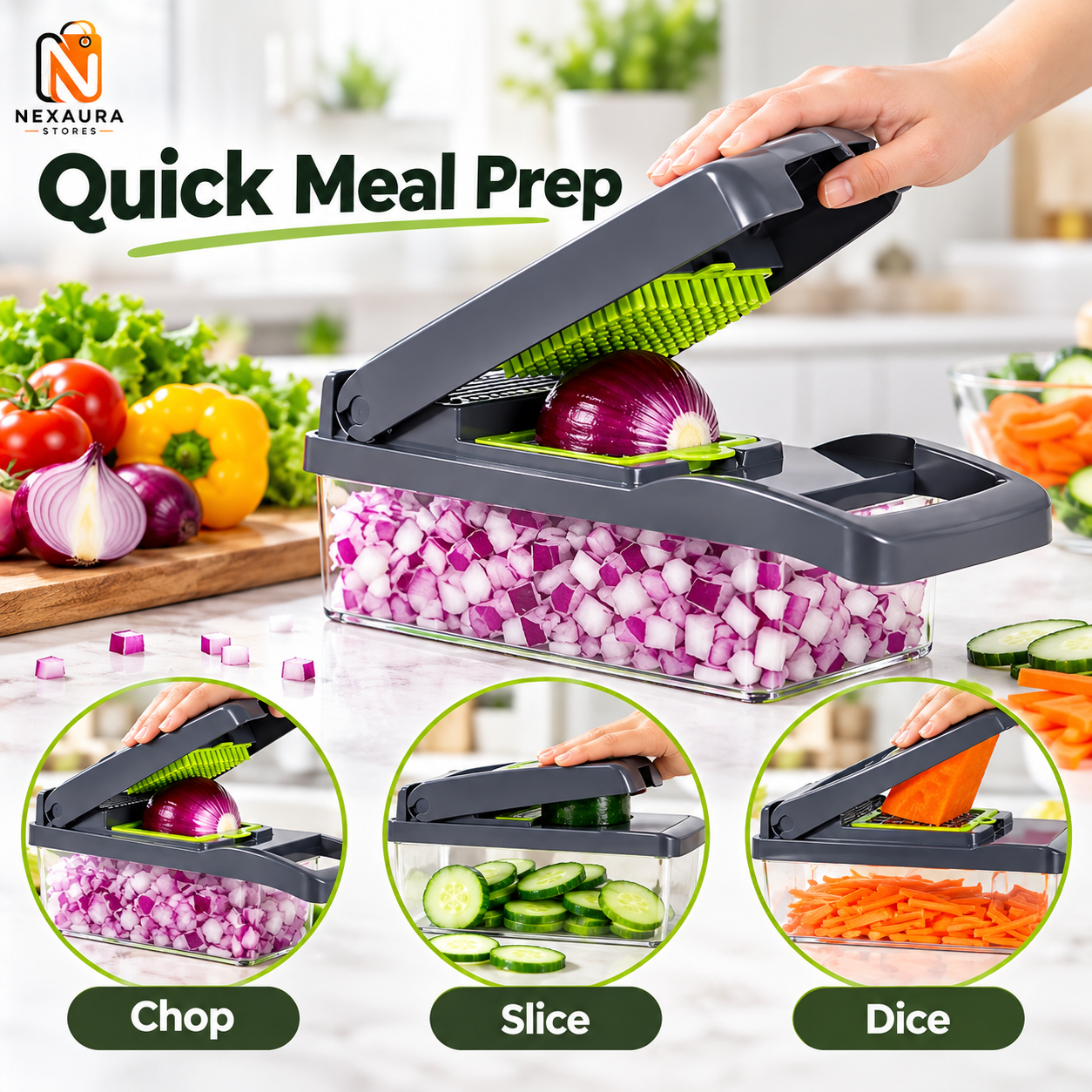
For a fresher version, top the beans with diced tomato, red onion and lemon. A 16-in-1 vegetable chopper does that dicing in under a minute and earns its space all week for salads and soups. Batch the salsa on Sunday and it lifts several breakfasts.
5. Yoghurt, oats and fruit — the five-minute bowl
A large tub of natural yoghurt works out at roughly 25p a portion. Spoon it over oats, add the cheapest fruit that week, and finish with honey or jam: around 50–60p, two minutes, and only a bowl and spoon to wash.
Frozen fruit deserves a mention: picked and frozen at its peak, it costs far less than fresh berries out of season and thaws into the yoghurt by the time you sit down. Stir the oats in the night before for a bircher-style bowl that is ready the moment you open the fridge.
6. Peanut butter toast with sliced banana or apple
Two slices of wholemeal toast, peanut butter and half a sliced banana costs roughly 45p and takes three minutes. It travels well, and the peanut butter’s calories plus the toast’s fibre keep hunger away.
Check the label: the best value jars list little more than peanuts and a pinch of salt, rather than sweetened spreads that cost more. A jar lasts weeks, so the per-portion cost stays low. Apple slices work as well as banana if you prefer crunch.
7. Homemade coffee-shop coffee — and a breakfast that stays warm
The most expensive part of many people’s breakfast is the takeaway coffee, at £3 or more a day. Making coffee at home saves more in a week than any food swap here, and frothed milk is what makes it feel like a treat rather than a compromise.
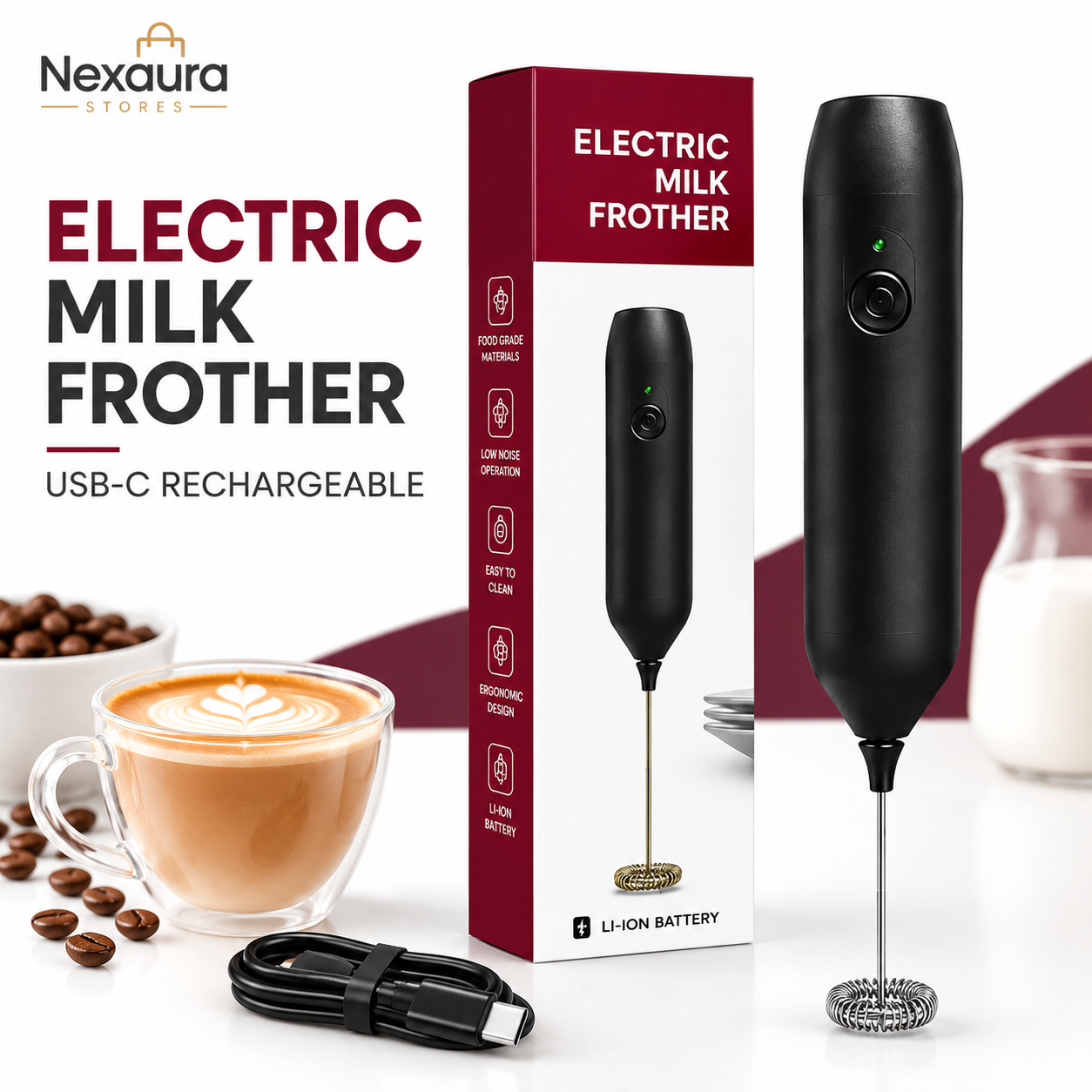
A handheld electric milk frother whisks hot milk into foam in under a minute, runs on a rechargeable battery, and costs less than a single café coffee. It also works for hot chocolate and cocoa without lumps.

A USB mug warmer solves that quietly: set your mug on the pad at your desk and it holds its temperature while you eat and work, powered from any USB port. Pair the two, and the daily café habit becomes a weekly treat, saving well over £10 a week for most commuters.
A weekday plan that puts it together
A simple rotation covers the week: porridge Monday, eggs Tuesday, yoghurt and fruit Wednesday, beans on toast Thursday, pancakes Friday. Peanut butter toast is the standby, homemade coffee replaces the café run, and one weekend shop — oats, eggs, bread, beans, bananas, yoghurt, peanut butter — covers the week for roughly £4–5 in total.
Prep is what makes the plan survive a real morning: overnight oats and salsa made the night before, eggs boiled in a batch, and all the breakfast things kept in one cupboard spot so you are not hunting shelves at 7am.
OUR PICK
Silicone Egg Poacher Pods (4-Pack) — Non-Stick Poached Egg Cups
Eggs are the cheapest high-protein breakfast around, and poached eggs are the version most people avoid only because the pan method is fiddly. These pods remove the faff — neat poached eggs in minutes, no swirling, no wispy whites. Four pods cover the household in one round.
Also handy for budget breakfasts: the 16-in-1 vegetable chopper for quick salsa and salad prep, the handheld milk frother for café-style coffee at home, and the USB mug warmer for slow mornings at your desk. Browse the full Home & Kitchen range for more breakfast essentials.
Frequently asked questions
What is the cheapest filling breakfast?
Porridge: oats cost around 4p a portion, and with milk and banana the bowl comes to roughly 35–45p. Two eggs on toast, at about 20p an egg, costs around 60–70p and delivers plenty of protein.
How can I eat breakfast for under £1 a day?
Build breakfasts around oats, eggs, beans, bread, bananas and yoghurt, costed per portion not per packet. Buy the largest bags you can store, and make coffee at home — that swap alone often saves more than any food change.
What should I eat for breakfast to stay full until lunch?
Prioritise protein and fibre: eggs, beans, peanut butter, yoghurt and whole oats outlast sugary cereals and pastries. Pair a protein with a slow carbohydrate — eggs on toast, porridge with peanut butter — and you should reach lunch without a snack.
Can I prepare budget breakfasts the night before?
Yes — overnight oats, boiled eggs, salsa and pancake batter all keep in the fridge overnight. A couple of minutes of evening prep turns a ten-minute cook into a two-minute assembly job.
Are frozen berries as good as fresh for breakfast?
Nutritionally, yes — frozen at peak ripeness, they keep their vitamins and cost far less than fresh berries out of season. Stirred into porridge or yoghurt, they thaw quickly and add sweetness without extra sugar.
How do I poach an egg without it falling apart?
Use barely simmering water with a splash of vinegar, and the freshest eggs you have — fresher whites hold together better. Otherwise, silicone poacher pods give a neat result every time in three to four minutes.
EAT WELL FOR UNDER £1 A DAY
Shop Home & Kitchen at Nexaura Stores
Breakfast essentials for every morning — secure checkout, UK delivery.