 NEXAURA STORES

 Sell on Nexaura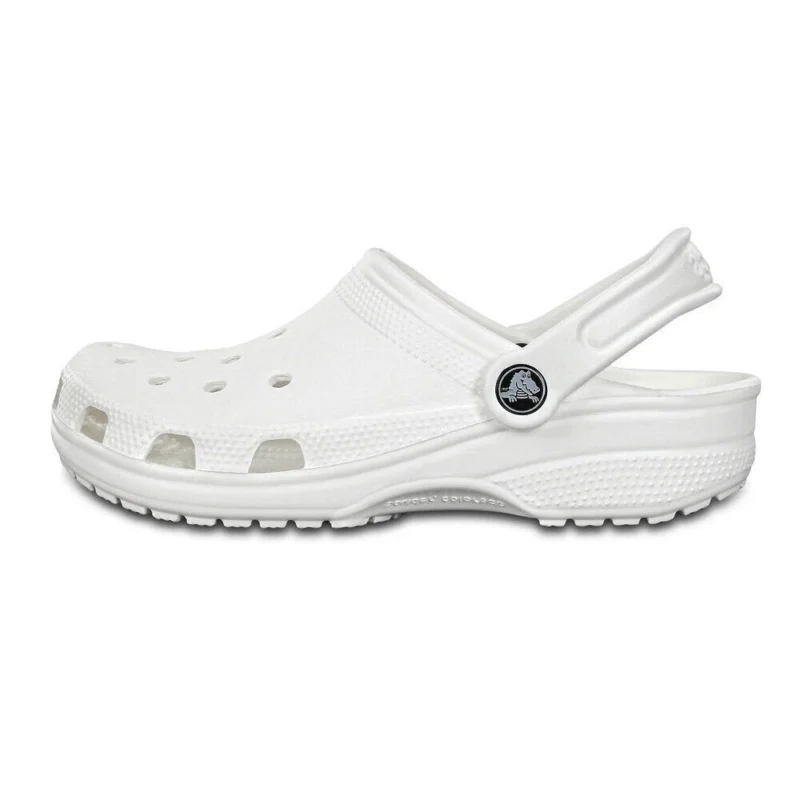
NEXAURA BUYING GUIDE
Are Clog Shoes Worth the Hype? Comfort, Tested (UK Guide 2026)
Clogs went from nurses’ footwear to fashion-week favourite — but the only question that matters is comfort. Here is the honest verdict on how they feel, how they fit, and whether a £17.95 pair is money well spent.
Few shoes divide opinion like clogs. Some people see them as the comfiest thing ever made; others see them as the reason airport security invented shoe-bins. Yet they keep selling out. The trend cycle keeps dragging them back — from Scandi minimalism to celebrity airport outfits — and 2026 is another peak year.
Fashion aside, this guide answers the practical questions: what do clogs actually feel like after eight hours on your feet? Do they run true to size? And is there any real difference between the £80 pair and the £18 pair? Everything here is written for UK buyers, with real products you can actually order.
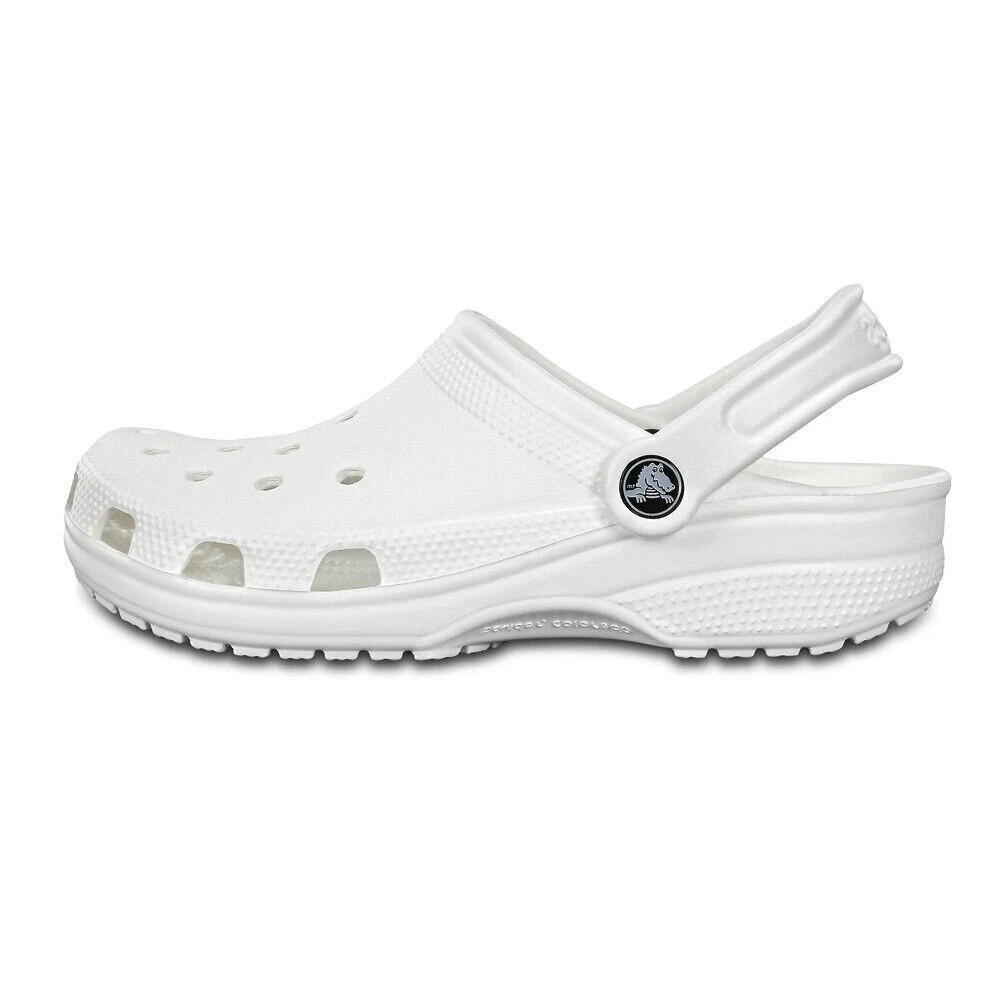
The classic clog silhouette: slip-on, cushioned, and unapologetically comfortable.
Why clogs keep coming back
Clogs survive every trend cycle for the same reason they survived hospital wards: they solve a real problem. Slip them on without bending down, stand for hours without your feet aching, and hose them down when they get filthy. That combination of convenience and comfort is rare at any price, and it is why they migrate from practical workwear into fashion every decade or so.
The 2026 revival added a twist. The chunky, sculptural clog is now styled with jeans, dresses and oversized tailoring rather than scrubs — which means the design brief has shifted. Comfort still rules, but buyers now care about weight, colour and profile. A well-designed pair like the classic black-and-white two-tone style reads as deliberate fashion, not work uniform.
What clogs actually feel like to wear
Let us cut through the hype. A decent clog feels like this: the footbed is roomy, so your toes never squeeze; the foam body absorbs impact, so hard floors feel softer; and the open-back design means zero heel rubbing. For anyone on their feet all day — retail staff, hospitality workers, NHS shifts, warehouse floors — that is a genuinely meaningful upgrade over flat trainers.
Weight matters enormously. Good clogs are almost absurdly light; a pair should feel like carrying nothing at all. The Nexaura classic clog is built on an ultra-light EVA-style foam that keeps each shoe in the featherweight class, so the “clunky” look never translates into tired legs. If a pair of clogs feels heavy in your hand, they will feel like anchors by 5pm.
Lightweight foam construction is what separates great clogs from foot-wearying lumps.
Ventilation is the other comfort factor people forget. Many clogs have ventilation ports across the upper, which keeps airflow moving on warm days — though as we will see, that is also one of their weaknesses in a British winter.
The honest downsides nobody mentions
A fair review means naming the problems. First, sizing is inconsistent. Clogs often run generous because of the roomy toe box, and many wearers size down half a size for a snug fit. If you are between sizes, the smaller size usually wins — you want your foot to stay put, not slide.
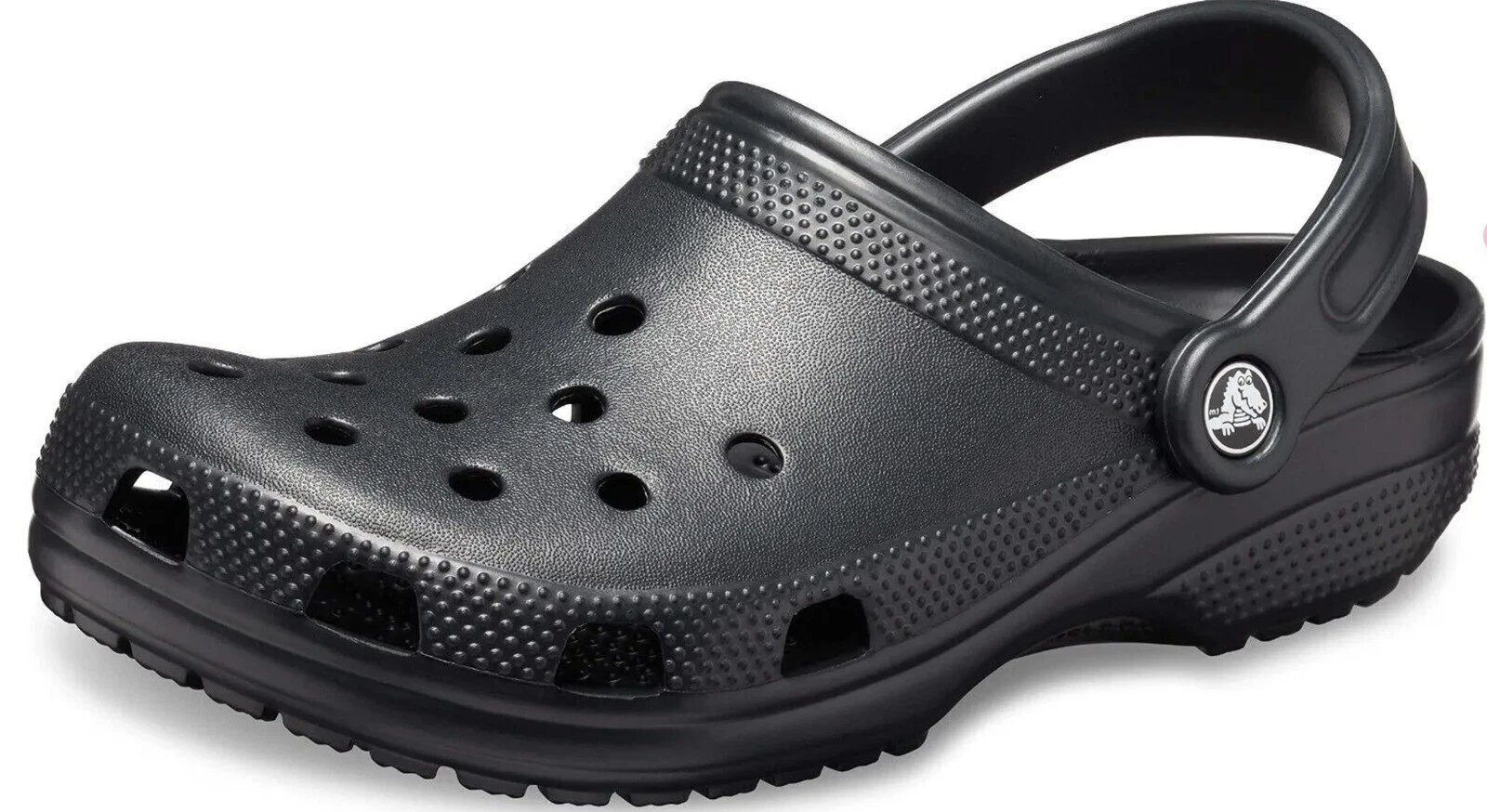
Second, heel security. Open-back clogs can flap at the heel on stairs or fast walks. The fix is the classic pivoting heel strap: wear it down behind the ankle for a locked-in fit (sport mode), or flip it up for casual slip-on ease. If you plan to walk far in them, the strap is non-negotiable.
Third, wet weather. Ventilation ports are a blessing in summer and a liability in an October downpour. Clogs are water-resistant rather than waterproof, so on rainy days pair them with thermal socks rather than hoping for the best. And fourth, arch support: budget clogs suit normal-to-high arches fine, but if you have flat feet and need serious orthotic support, clogs work best with an insole added.
The pivoting heel strap turns a loose slip-on into a secure all-day shoe.
How to buy good budget clogs (fit checklist)
The price gap between budget and premium clogs is huge — sometimes £60 or more — but the comfort gap is much smaller than the price suggests. Here is what to actually check before you buy:
1. Weight. Pick them up. If a single clog feels heavier than a trainer, keep looking. Ultra-light foam (EVA-style) is the material that delivers all-day comfort without fatigue.
2. Toe room. The toe box should let you wiggle your toes freely. A clog that squeezes at the front is either mis-sized or a bad mould — comfort is the whole point, so never tolerate a tight front.
3. Heel strap option. Even if you wear them as slip-ons most of the time, a pivoting heel strap is essential for longer walks, stairs and slick floors.
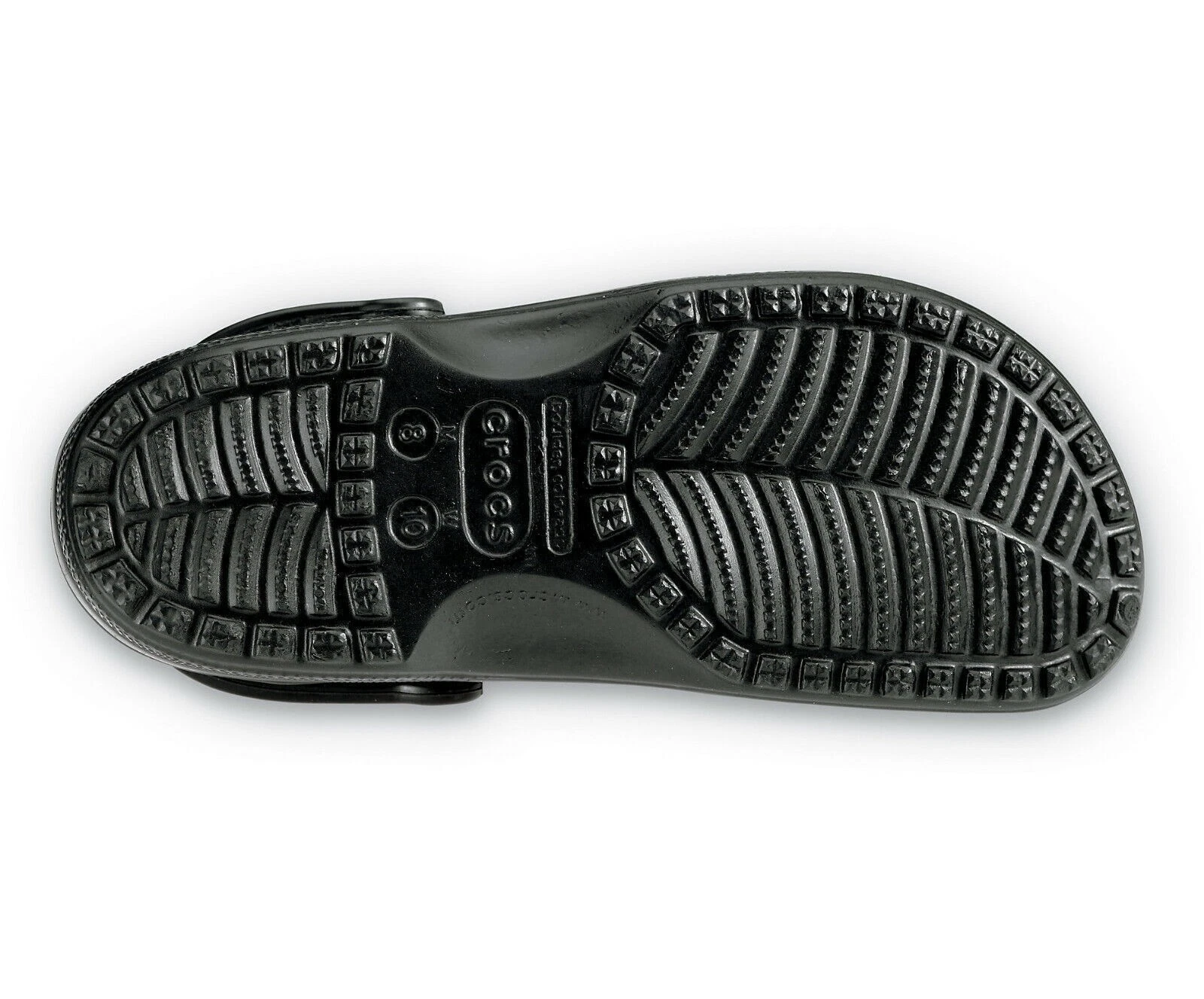
4. Footbed texture. A gently textured or massage-nub footbed grips bare feet and prevents sliding on warm days. Smooth, hard footbeds turn slippery fast.
5. Easy to clean. One of the clog’s superpowers is that you can wipe or rinse them clean in seconds. Avoid fabric-upholstered clogs unless you want a cleaning hobby.
OUR PICK
Classic Cozy Clog — Black/White — £17.95
The full checklist, ticked: ultra-light slip-on construction, roomy comfort footbed, pivoting heel strap for secure all-day wear, and a clean black-and-white two-tone that works with practically everything in your wardrobe. Unisex sizing, quick to wipe clean, and genuinely walkable for hours — the budget buy that makes the premium pairs hard to justify.
Wearing clogs without looking off-duty
The styling secret is contrast. Clogs look most deliberate when everything else is polished: straight-leg jeans or chinos, a structured jacket, and one of the two-tone colourways rather than neon. The black-and-white classic works because it reads as graphic and intentional, not as a uniform choice.
For autumn and winter, socks change the whole equation — literally and stylistically. A thick thermal sock fills out the fit, adds warmth, and turns clogs into a cold-weather option rather than a summer-only shoe. It also hides the ventilation ports that would otherwise let October air straight in.
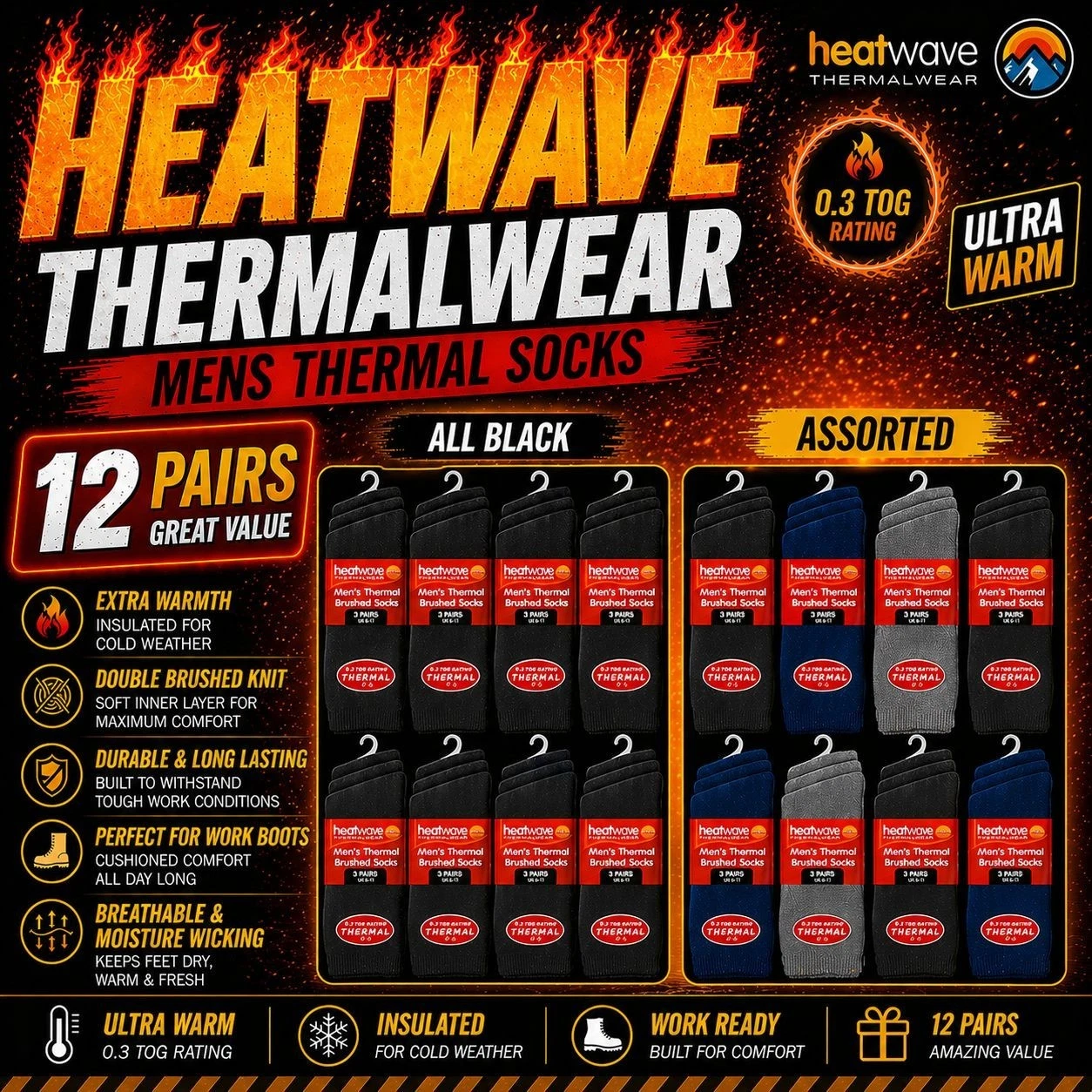
Thermal socks turn clogs into a proper autumn and winter option.
A six-pack of thermal boot socks costs £8.95 and covers the whole rotation — one for every day of the week with a spare. Unisex sizing and winter-warmth thickness make them the natural partner for open-vent clogs from October through March. Get the thermal sock 6-pack here.
Keeping your clogs (and your hallway) in order
Clogs are easy to maintain: a damp cloth or quick rinse keeps them looking fresh, and they dry fast because the foam does not absorb water. The bigger problem is where they live. Clog collections multiply — one pair becomes three — and their chunky shape eats hallway space.
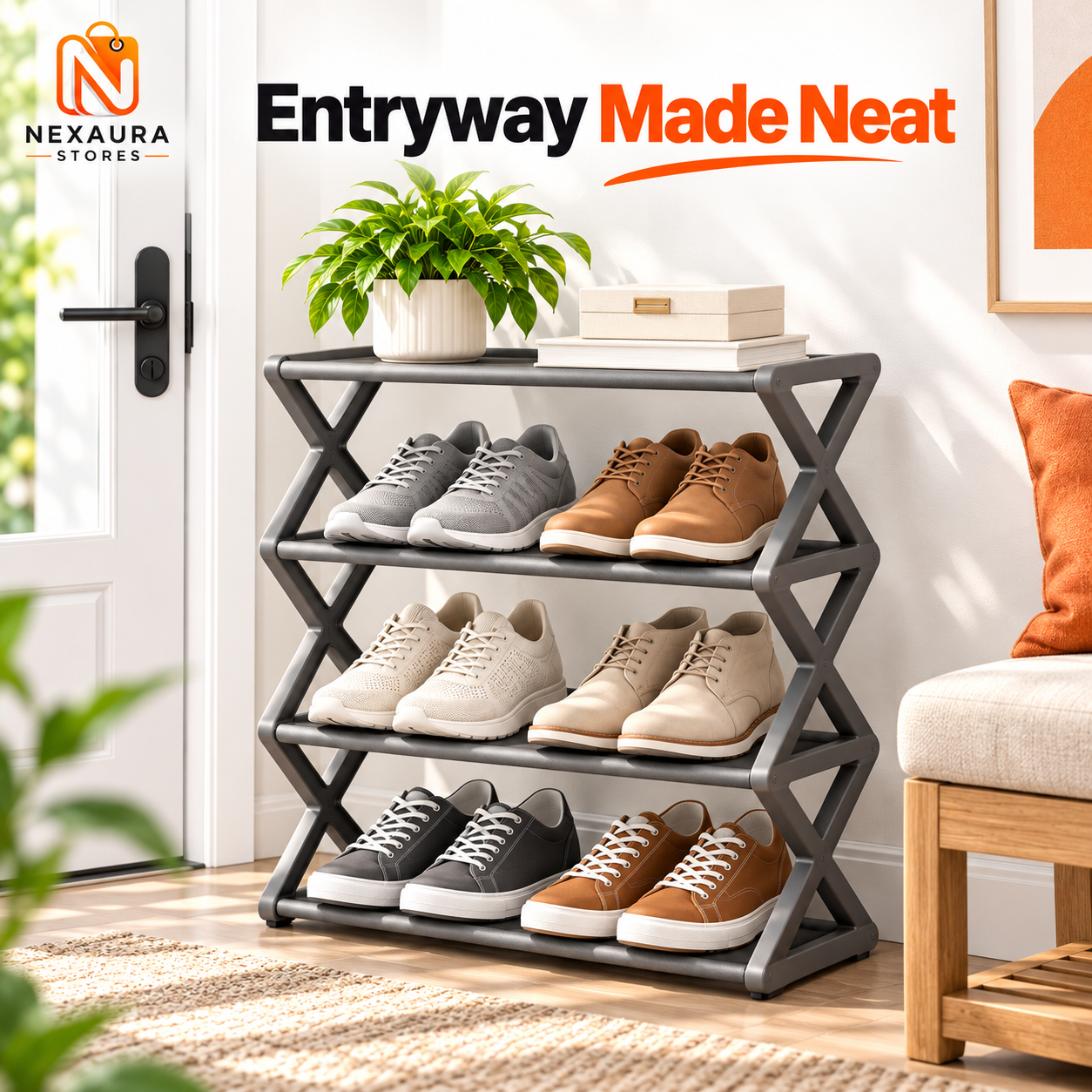
A compact tiered rack keeps growing shoe collections off the hallway floor.
A foldable four-tier shoe organiser at £5.53 gives every pair — clogs included — a home, and it folds flat when you need the space back. Small spend, permanently tidier hallway. See the 4-tier shoe organiser.
Frequently asked questions
Are clogs good for all-day wear?
Yes, provided you pick a lightweight pair with a secure heel strap and the right size. Healthcare, hospitality and retail workers have worn them for decades precisely because the cushioned, roomy footbed stays comfortable through long shifts. Size down half a size if you are between sizes.
Do clog shoes run big or small?
Most classic clogs run generous thanks to the wide toe box. The majority of buyers find their usual size roomy and many prefer half a size down for a snugger fit. If your feet are wide, stick with your normal size; if narrow, size down.
Are clogs good for flat feet?
They are decent for casual wear, but clogs generally have modest arch support. If you have flat feet and wear them all day, add a supportive insole — the roomy footbed has plenty of space for one. For short outings, most people are fine without.
Can you wear clogs in winter in the UK?
Yes, with thick socks. Ventilation ports that keep feet cool in summer let cold air in during winter, so pair clogs with thermal socks and accept that they are a dry-day shoe rather than a puddle shoe. On properly wet days, switch to something waterproof.
Are cheap clogs worth it, or should I pay £80?
For comfort, the gap is small. Premium pairs may offer finer materials and branding, but the core comfort recipe — light foam, roomy toe box, heel strap — costs very little to make. A £17.95 pair that ticks the fit checklist above will comfort-match pairs four times the price for everyday use.
Are clogs waterproof?
Water-resistant, not waterproof. The foam body shrugs off splashes and wipes clean easily, but water enters through the ventilation ports and around the foot. They dry quickly, which makes them great for garden and poolside use, but they are not rain boots.
STEP INTO COMFORT
Shop Shoes at Nexaura Stores
Ultra-light clogs, thermal socks and space-saving organisers — comfortable feet, tidy hallway, secure checkout and UK delivery as standard.