 NEXAURA STORES


 Sell on Nexaura
NEXAURA BUYING GUIDE
Cosy Baths at Home: Small Upgrades for Winter Evenings (UK Guide 2026)
When the nights draw in and the heating bill climbs, a proper bath is one of the cheapest luxuries left. A few small, well-chosen upgrades turn an ordinary soak into a real winter ritual — without a bathroom renovation.
There is a particular kind of tiredness that only a cold, dark winter evening brings. You come home, the house takes an age to warm up, and the day still clings to you. A bath is the fastest reset there is — but only if the bath itself is worth getting into. Lukewarm water, a harsh showerhead, nowhere to put your book and a threadbare towel will send you straight back to the sofa, still cold.
The good news is that a genuinely cosy bath does not require a new suite or a plumber. It comes from a handful of small upgrades, each costing less than a takeaway, that fix the little frustrations one by one: the water quality, the temperature, the comfort while you soak, and the warm, dry finish afterwards. Here is how to build your winter bath ritual, piece by piece.
Start with the water: softer, warmer, better
Everything about a bath starts with the water, and in much of the UK that means hard water. Hard water leaves limescale on the tub, makes skin feel tight and dry, and can leave hair dull and difficult to manage. If you step out of the bath feeling itchier than when you got in, the water is very likely part of the problem.
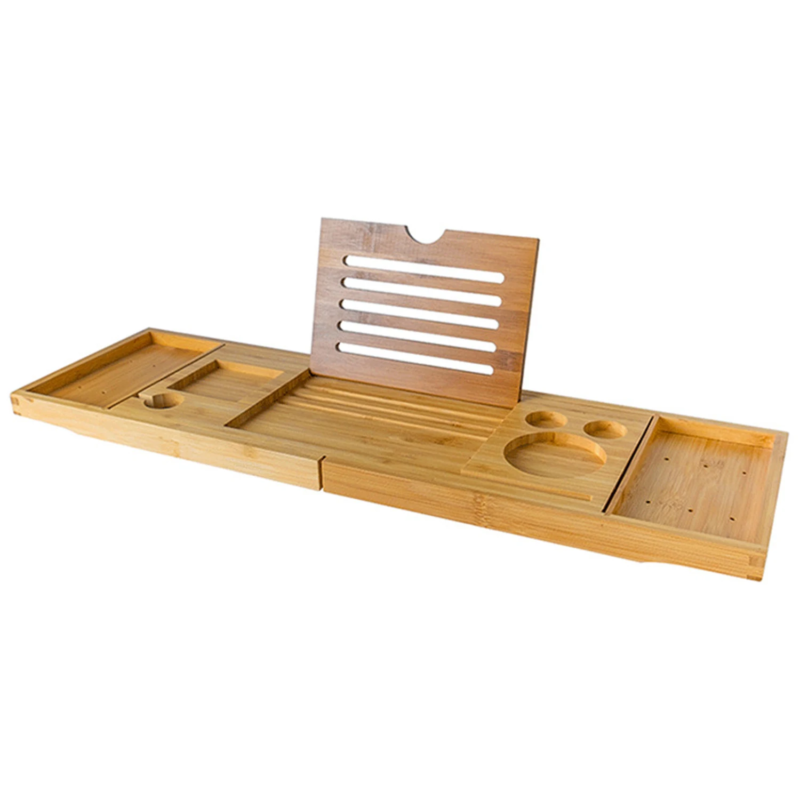
A multi-stage shower filter is one of the simplest fixes available. Fitted between your shower hose and head, it filters out chlorine and sediment and softens the water before it ever reaches your skin. It will not turn hard water into soft water overnight, but regular users consistently report less dryness, less soap scum on the tub, and hair that rinses cleaner. It is also a genuinely practical buy: the filter cartridges are replaceable, so one fitting lasts through many winters.
Temperature matters just as much. Aim for water around 37–39°C — warm enough to relax muscles and raise your core temperature gently, but not so hot that you feel dizzy or dried out. Fill the tub a little hotter than you plan to soak in, because it cools while you undress and settle, and keep the bathroom door closed so the steam stays where it belongs. A warm room makes a warm bath last far longer.
If your shower hose is stiff, kinked or leaking at the joints, it quietly ruins the whole routine — weak pressure, cold drips, and a fitting you have to wrestle with. A flexible stainless steel hose is a cheap, durable replacement that restores proper pressure and makes rinsing off after a bath far easier.
Make the tub a place you actually want to stay
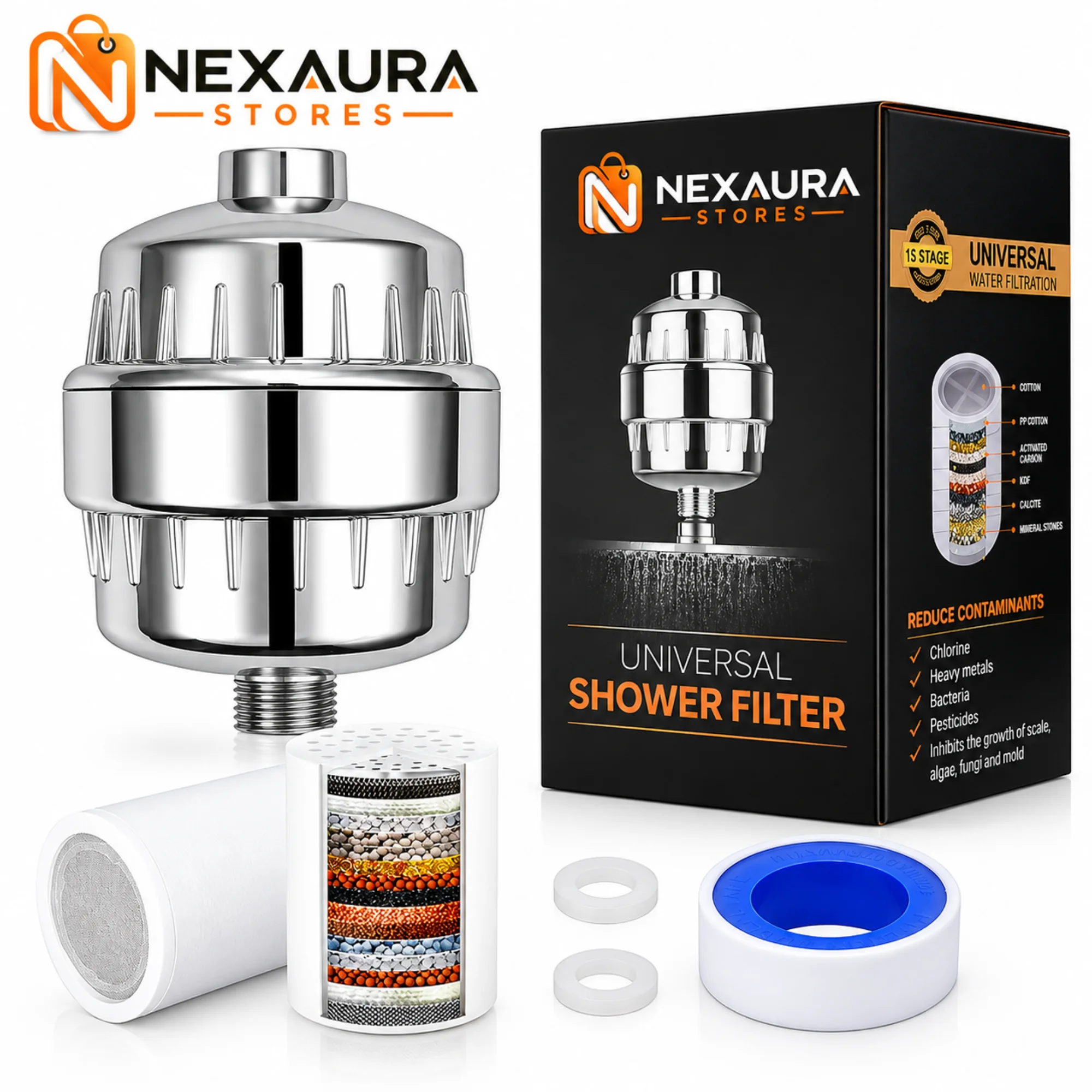
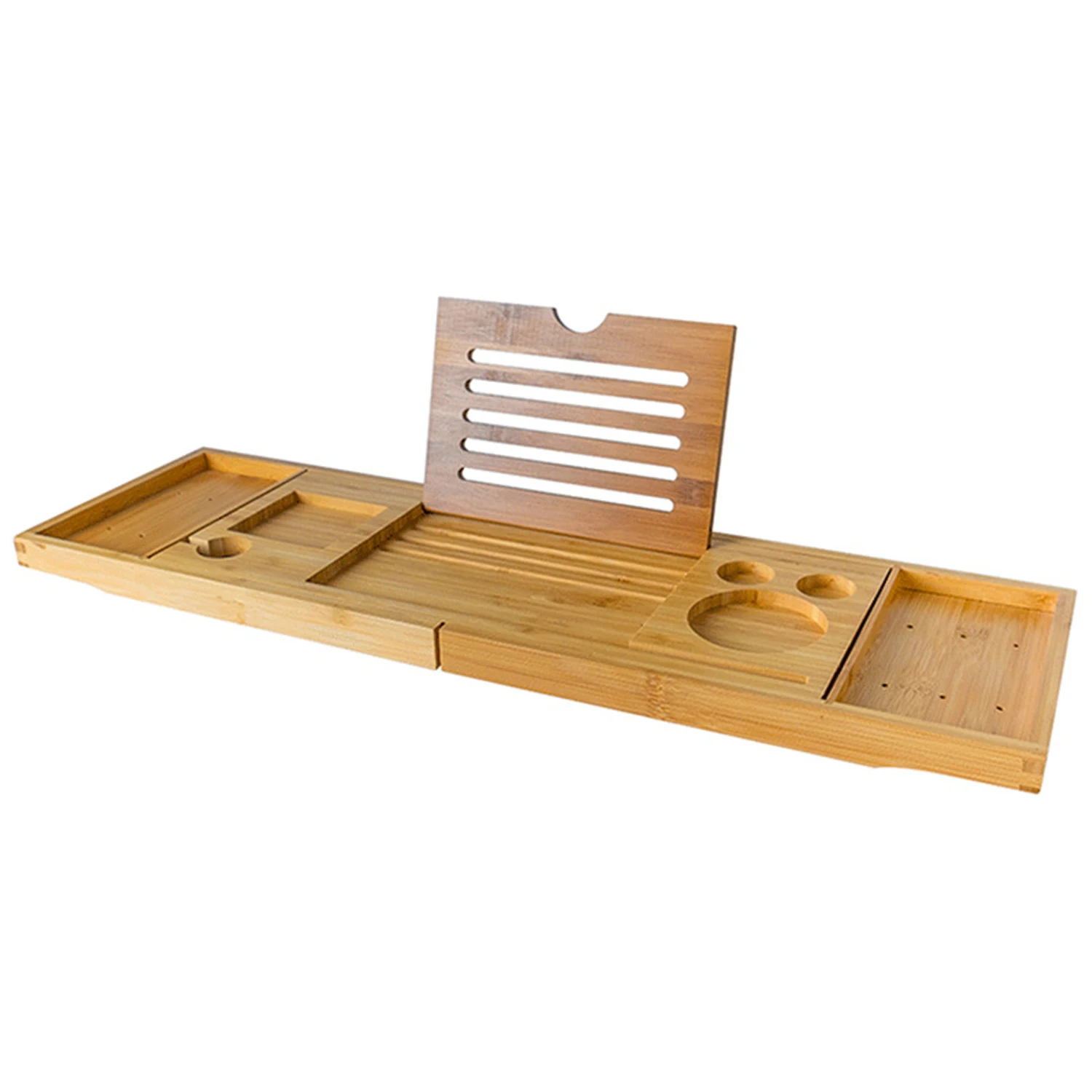
Most baths end early for the same reason: there is nothing to do and nowhere to put anything. You balance a phone on the rim, it slides, and the soak is over. The single upgrade that changes this most is a bathtub caddy tray. A bamboo tray spans the tub and holds a book or tablet, a mug, and a candle, all safely out of the water. Suddenly a ten-minute dip becomes a proper half-hour unwind, because everything you want is within reach and nothing is getting wet.
Bamboo is the right material here for a practical reason, not just a pretty one: it resists moisture far better than untreated wood, it is naturally warm to the touch, and it looks at home in almost any bathroom. Choose an extendable tray so it fits your tub width properly — a tray that is too short will slip, and one that is too long will not sit flat. Check the holders too: a proper book rest and a secure cup holder are what separate a tray you use every week from one that gathers dust.
Then think about the atmosphere. You do not need scented everything — one good candle, the lights dimmed, and your phone on silent will do more than a shelf of products. If you like bath oils or salts, add them after the tub is full and swirl them through, so they dissolve properly rather than sitting in a clump at the bottom. Epsom salts are a winter favourite for a reason: they dissolve cleanly and many people find them genuinely soothing on tired muscles after a cold day.
Look after your skin through winter
Winter is hard on skin. Cold air outside, dry heated air inside, and hot water in between strip natural oils fast. The mistake most people make is scrubbing harder or bathing hotter to compensate, which only makes it worse. The better approach is gentler cleansing and proper moisturising while skin is still damp.
A brightening cleansing bar with ingredients like niacinamide is a good winter choice because it cleans without the harsh, squeaky-stripped feeling some soaps leave behind. Niacinamide is well known for supporting the skin barrier and evening out tone, which is exactly what winter skin needs. Use it with your hands or a soft cloth rather than a rough mitt, keep the water warm rather than scalding, and pat — never rub — dry afterwards.

Moisturise within a few minutes of getting out, while your skin is still slightly damp — this locks in far more moisture than waiting until you are fully dry and dressed. Keep it simple: one good body lotion or oil, applied properly, beats a drawer full of half-used products. And if your skin is very dry or irritated, skip heavily fragranced products for a while; fragrance is the most common irritant in winter skincare.
The finish matters: warm, dry, and cosy
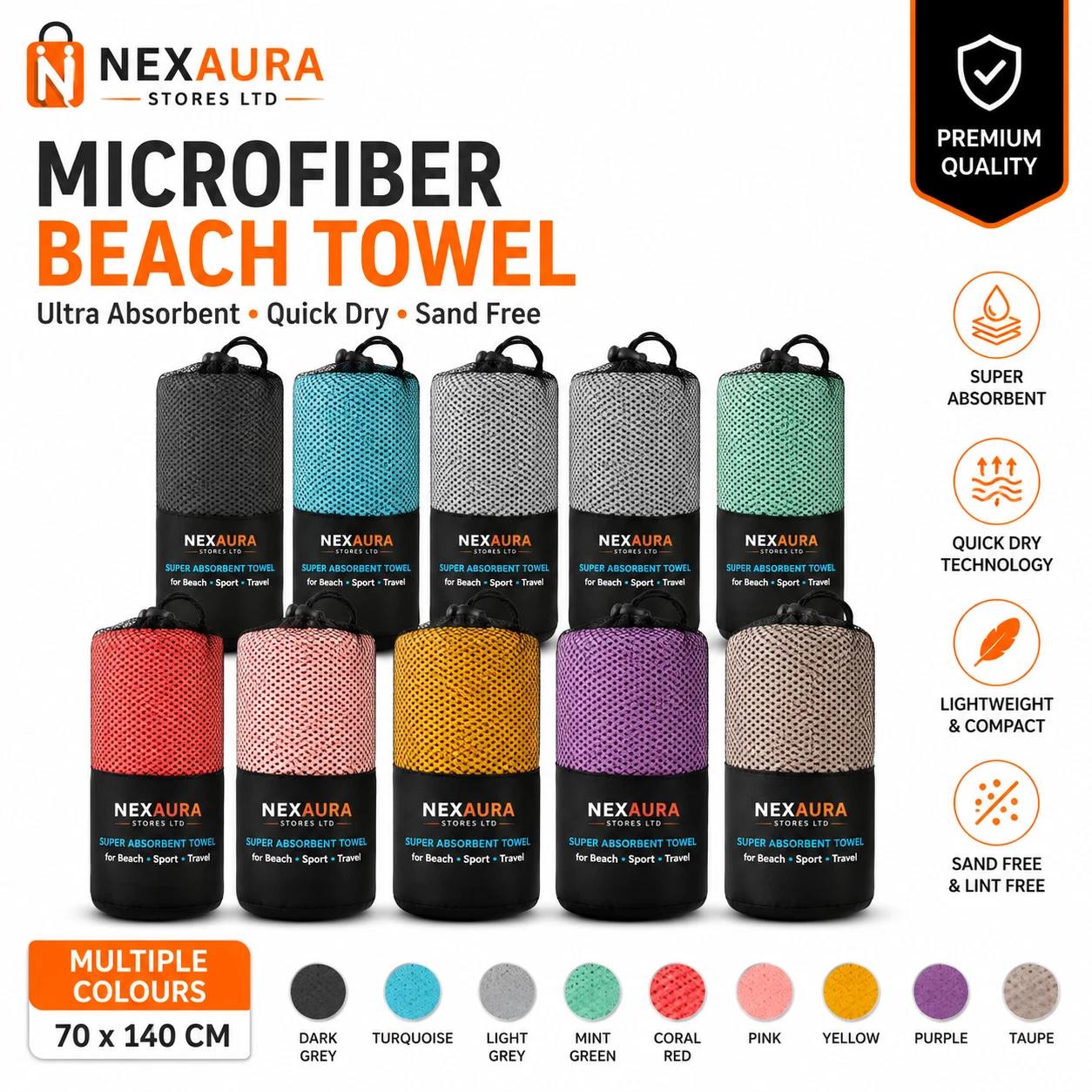
The worst part of a winter bath is getting out. A thin, damp towel that has been hanging in a cold bathroom all day undoes the whole ritual in seconds. This is where a proper towel earns its keep. A compact microfibre towel dries you faster than a heavy cotton one, wrings out easily, and — usefully in winter — dries itself far quicker between uses, so it is not still damp when you reach for it the next evening.
A few small habits complete the ritual. Pop your towel on a warm radiator for ten minutes before your bath, so it is warm when you need it. Keep a dressing gown or oversized towel within arm’s reach of the tub, not across a cold room. And give yourself ten unhurried minutes after the bath before going back to screens — that warm, calm window is the whole point, and it is what turns a bath from a wash into a genuine winter reset.
None of these upgrades is expensive on its own, and none of them requires tools, tradespeople or a weekend of DIY. Together, though, they change the experience completely: softer water, a comfortable place to soak, skin that feels better afterwards, and a warm finish instead of a cold shock. That is a winter evening well spent.
OUR PICK
Bamboo Bathtub Caddy Tray – Extendable Bath Tray with Book & Wine Holders
The one upgrade that turns a quick dip into a proper soak. It holds your book, your drink and a candle safely above the water, fits most tubs thanks to its extendable design, and bamboo shrugs off bathroom moisture. If you buy one thing for cosier baths this winter, make it this.
Also worth adding to your winter bathroom: the 20-stage shower head filter for softer water, the niacinamide brightening soap for gentler winter cleansing, and a quick-dry microfibre towel for a warmer finish. Browse the full Home & Garden range for more budget bathroom upgrades.
Frequently asked questions
How hot should a bath be in winter?
Around 37–39°C is ideal — comfortably warm without being scalding. Water that is too hot strips skin oils, can make you dizzy, and cools faster, so you end up topping up constantly. Fill slightly hotter than your target, as the tub cools while you settle in.
Do shower filters really help with hard water baths?
Yes, within reason. A multi-stage filter reduces chlorine and sediment and softens water noticeably, which many people feel as less dry, tight skin and less soap scum. It will not fully soften very hard water the way a whole-house softener does, but for a bath or shower it is a big improvement for a small price.
How long should you soak in a bath?
About 15–30 minutes is the sweet spot. Long enough for muscles to relax and your core temperature to rise gently, short enough to avoid dried-out skin or light-headedness. If you feel dizzy, get out, cool down and drink some water.
What is the best way to keep skin from drying out after a winter bath?
Keep the water warm, not hot, cleanse gently, pat dry instead of rubbing, and moisturise within a few minutes while skin is still slightly damp. That damp-skin window locks in far more moisture than moisturising later on fully dry skin.
Are bamboo bath trays safe around water?
Yes, provided you choose an extendable tray that fits your tub snugly and keep it dry between uses. Bamboo resists moisture better than most woods. Always keep phones, tablets and anything electrical well back from the water, and never charge a device while bathing.
Should I bathe every day in winter?
Daily baths are fine for most people as long as the water is not too hot and you moisturise afterwards. If your skin is very dry or irritated, alternate with shorter showers, skip heavily fragranced products, and give your skin a rest day when it feels tight or sore.
MAKE WINTER EVENINGS COSIER
Shop Home & Garden at Nexaura Stores
Bathroom upgrades, home comforts and budget essentials — secure checkout and UK delivery as standard.