 NEXAURA STORES

 Sell on Nexaura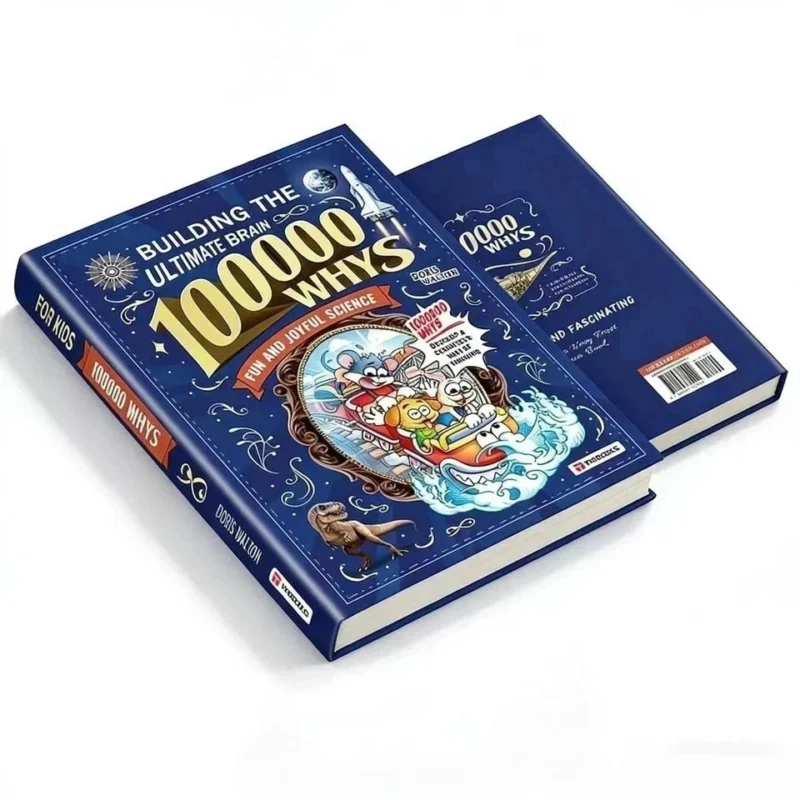
NEXAURA BUYING GUIDE
100000 Whys for Children: The Science Book That Feeds Curious Minds (UK Guide 2026)
Every parent knows the “why?” phase. This Q&A science book turns it into real knowledge — and it costs less than a cinema ticket.
“Why is the sky blue?” “Why do we sneeze?” “Why can’t fish walk?” If you have a child between the ages of about five and twelve, these questions arrive daily — sometimes hourly. Most of us fumble through an answer and hope the next question is easier. But child-development research keeps pointing to the same conclusion: a child’s “why?” is not just curiosity, it is the engine of learning. The only question is whether that engine gets fuel or fumes.
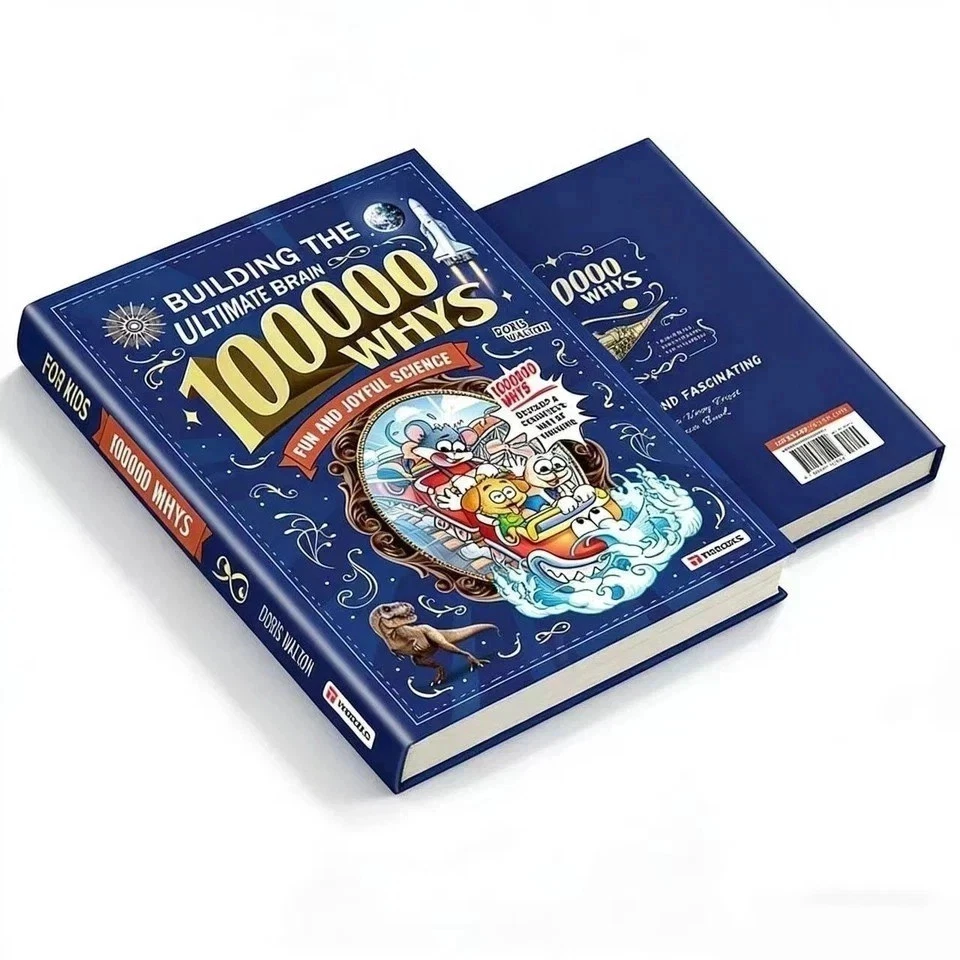
100000 Whys for Children is a popular-science book written in English that treats those questions with respect. Instead of dumbed-down answers, it works the way curious kids actually think: one question at a time, each answered clearly, building from the everyday to the astonishing. It is aimed roughly at ages 8–12, but younger children get plenty from it when an adult reads along. And at $5.99, it is one of the cheapest educational gifts you can buy this year.
Why “why?” is the most powerful word in a child’s vocabulary
Psychologists have studied children’s questioning for decades, and the picture is remarkably consistent. Questions are not a sign of inattention or defiance — they are the mechanism by which children map cause and effect, test their mental models, and recruit adults into their learning. A child who asks “why does it rain?” is doing amateur science: noticing a pattern, forming a hypothesis (“the clouds are crying”), and requesting data.
The danger is not that children ask too many questions. It is that the adults around them stop answering. Research on “explanatory talk” in families shows that children whose questions get substantive answers — even imperfect ones — develop stronger vocabularies, deeper science understanding, and more persistent curiosity than children whose questions are brushed aside. Nobody expects a parent to have the water cycle, the digestive system, and the life of a star memorised. That is exactly the gap a good Q&A book fills.
What makes 100000 Whys different from other kids’ books
1. It is built like a conversation, not a textbook
Traditional children’s science books are organised by chapter: “The Human Body”, “The Universe”, “Animals”. Children, however, do not think in chapters. They think in questions that arrive in any order at any time. 100000 Whys organises its content around the question format itself, so a child can dip in at any page, ask a question aloud, and read the answer. That random-access structure matches how kids actually browse books — and it means the book gets picked up again and again rather than shelved after one read-through.
2. The science is real, not cartoonified
Plenty of children’s books dodge hard explanations with jokes or fantasy. This book takes the opposite approach: genuine popular-science content written in plain English. Topics span the natural world, everyday phenomena, the human body, and simple physics — the exact “why?” territory children patrol daily. The answers are accurate enough that parents learn something too, which matters more than it sounds: nothing kills a book’s reuse value like an adult who finds it boring to read aloud.
3. The language level is right for the target age
The book is pitched at roughly ages 8–12, the sweet spot where children can read independently but still hunger for explanation. Sentences are direct, new terms are explained in context, and answers are complete without being long. Younger children (5–7) can enjoy it with an adult reading and paraphrasing — a format teachers call “dialogic reading”, which measurably boosts comprehension.
The learning science behind question-and-answer books
Why does the Q&A format work so well? Three well-established ideas from learning science explain it.
The curiosity gap
Information-seeking researchers describe a “curiosity gap”: when you notice you don’t know something, the urge to close that gap feels rewarding. Reading a question first — before the answer — opens that gap deliberately. A child who reads “Why do leaves change colour in autumn?” experiences a moment of genuine not-knowing, and the answer lands with far more force than the same fact dropped into a paragraph of exposition.
Retrieval and the testing effect
Educational psychologists have shown that trying to recall or predict an answer before reading it strengthens memory — even when the guess is wrong. The question format of 100000 Whys invites exactly this: a child naturally tries to answer in their head before reading the real one. Each question is a tiny self-quiz, and self-quizzing is one of the most robust learning techniques ever studied.
Reading together multiplies the effect
The biggest gains come when an adult reads along. Asking follow-ups (“What did you think it was?”), connecting answers to real life (“Remember the ice on the car this morning?”), and letting the child re-explain in their own words all convert a passive read into active learning. Ten minutes of this beats an hour of solitary screen time for building understanding.
5 ways to get the most out of it (for parents and grandparents)
- Let the child drive. Flip the book open and let them pick the question that catches their eye. Choice massively increases engagement — a chosen page is read twice, a assigned page once.
- Guess first, read second. Before reading the answer, ask “What do you think?” Wrong guesses are fine — they make the real answer stickier.
- Connect it to real life. When the book explains why the moon changes shape, point at the sky that evening. Concrete links turn facts into understanding.
- Keep a “why journal”. Some families keep a notebook where children write down questions the book hasn’t answered yet, then research them together. It turns a book into a habit.
- Revisit, don’t rush. The best Q&A books are reread in fragments over months. Leave it somewhere visible — the coffee table beats the bookshelf.
OUR PICK
100000 Whys for Children — Early Learning Educational Book — $5.99
English popular-science Q&A book for children, pitched at ages 8–12 (younger children love it read aloud). Real science answers, kid-friendly language, and a browse-any-page format that keeps curious minds coming back. Ideal as a birthday gift, stocking filler, or classroom addition. Available now at Nexaura Stores with secure checkout and UK delivery.
Pair curiosity with play: two gift-friendly companions
Learning and fidgeting go hand in hand — occupational therapists have long noted that small motor activity helps many children focus while reading or listening. If you’re putting together a gift bundle for a curious kid, pairing the book with a sensory toy turns a present into an experience.
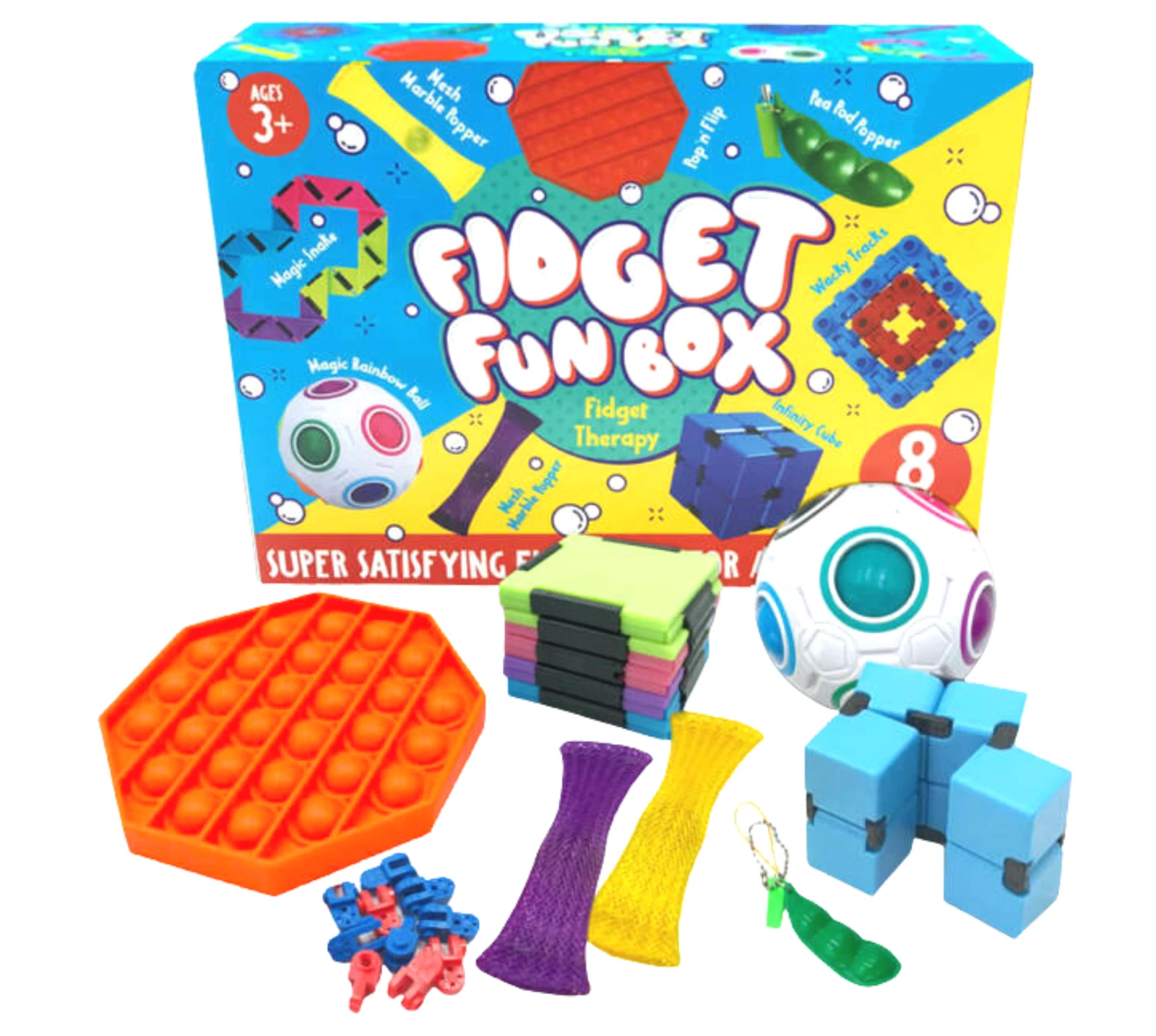
The 24-Piece Fidget Toy Set arrives as a ready-made gift box in six colours — 24 sensory toys for stretching, popping, squeezing, and clicking while a chapter is read aloud. It is an obvious stocking filler or party-bag upgrade, and at budget prices it costs barely more than the book itself.
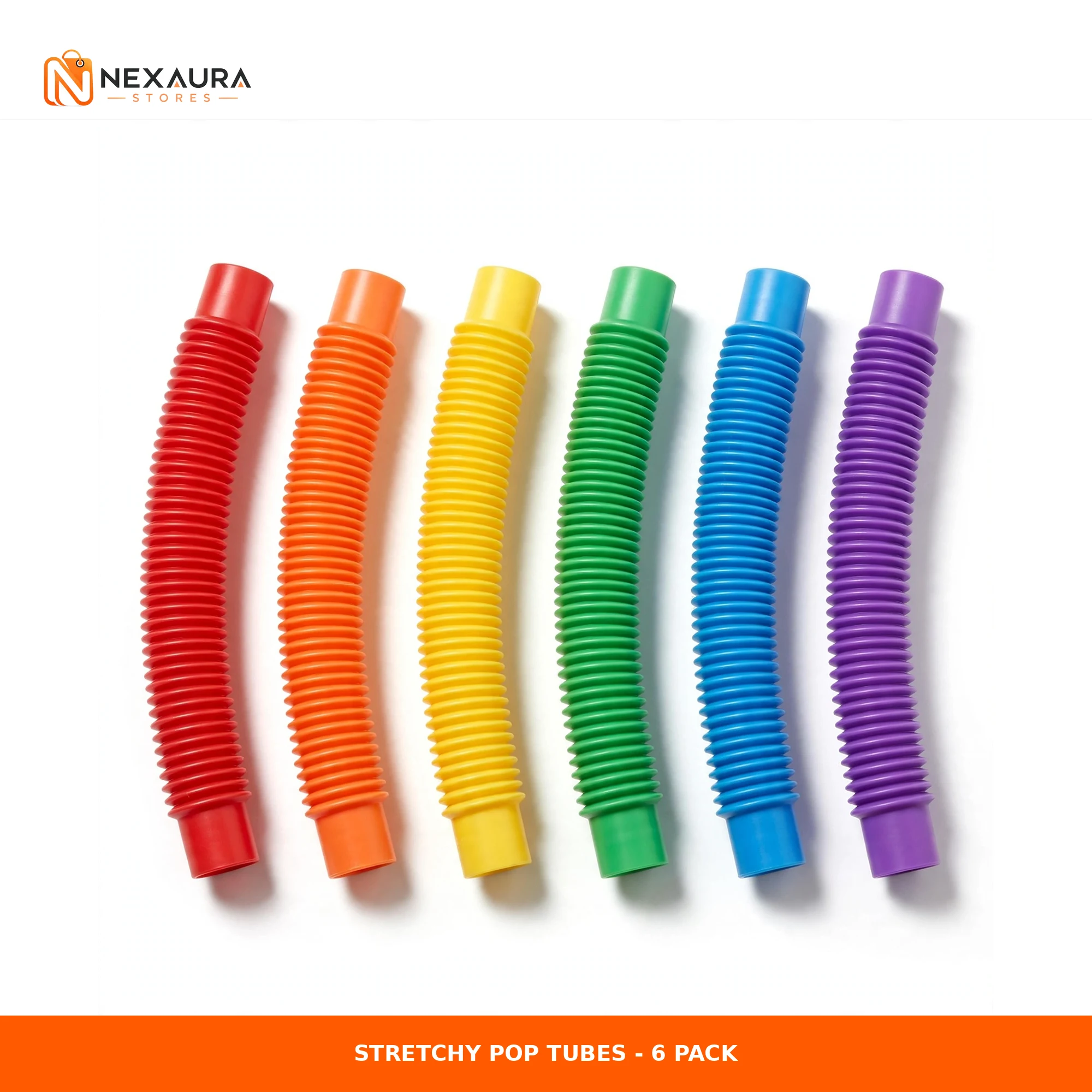
For a single, sturdy option, the Stretchy Pop Tubes 6-Pack is hard to beat: bendable, connectable tubes that snap and pop satisfyingly. They are the kind of toy that survives school bags, car journeys, and waiting rooms — exactly the environments where “why?” questions are born. One tube per child, one quiet reading session.
Don’t forget the learning corner
One underrated factor in children’s reading habits: visibility. Books that live in a tidy, accessible spot get read; books that vanish into a chaotic toy box don’t. A small book nook — a cushion, a shelf, and a storage box or two — pays for itself in reading minutes.
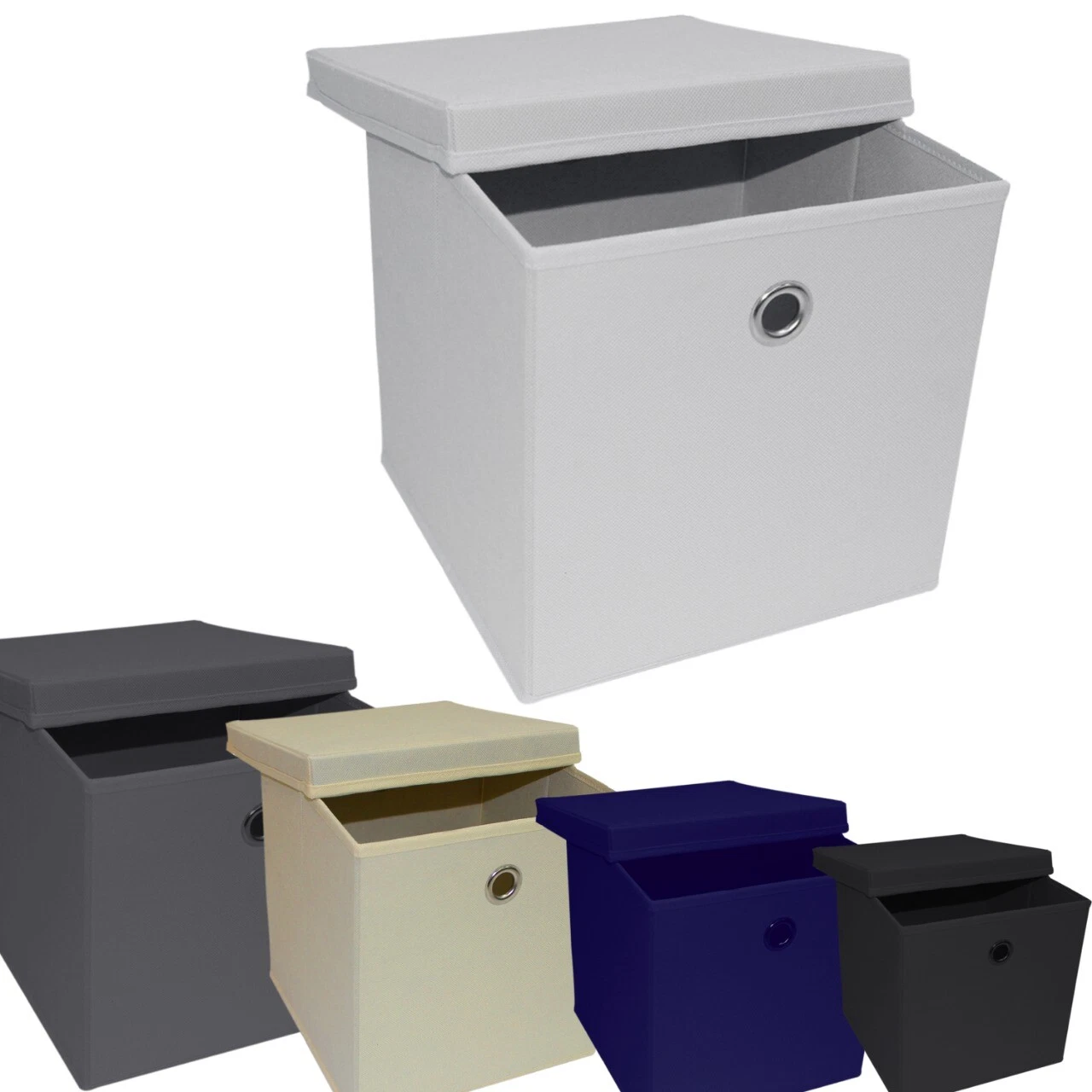
Our practical pick for the job is the Foldable Fabric Storage Cube Boxes 4-Pack: 30cm organisers with lids that slot into cube shelving and swallow books, toys, and craft supplies alike. Four cubes is enough to turn a corner of a child’s bedroom into a genuine little library.
5 mistakes to avoid when buying educational books for kids
- Buying above their reading level. A book pitched two years too high becomes shelf decoration. Match the language level to the child — 8–12 for this one, with read-aloud for younger siblings.
- Choosing facts over curiosity. Dense textbooks rarely survive contact with a seven-year-old. Question-led formats sustain attention far longer.
- Ignoring the adult experience. If you will be reading it aloud, pick something you won’t dread opening. Parents are the delivery mechanism.
- Equating price with quality. A £25 hardback is not necessarily better than a well-written budget book. Content and format matter far more than binding.
- Buying one book and stopping. Reading habits compound. A book plus a reading spot plus a reason to return (new questions weekly) beats a single gift.
Frequently asked questions
What age is 100000 Whys for Children suitable for?
It is pitched at roughly ages 8–12 for independent reading. Younger children from about five enjoy it when an adult reads aloud and discusses the answers — a format educators call dialogic reading, which strongly supports comprehension.
Is it a storybook or a science book?
It is a popular-science book: real questions from the natural world, the human body, and everyday phenomena, answered accurately in plain English. It is not fiction — it is the non-fiction answer to the “why?” phase.
Can it help with school science?
Yes, indirectly but powerfully. It builds the background knowledge and vocabulary that make school science click — children who already know why seasons change understand the classroom explanation faster. It complements rather than replaces school materials.
Is it a good gift for a child who “doesn’t like reading”?
Often, yes. Reluctant readers usually dislike long chapters, not reading itself. The question-and-answer format means any page is a complete, bite-size experience — many non-readers find themselves pulled in question by question.
How much does 100000 Whys cost at Nexaura Stores?
It is currently listed at $5.99 — less than most children’s paperbacks and far cheaper than a day out. It ships with secure checkout and UK delivery from Nexaura Stores.
What can I pair it with as a gift?
Sensory fidget toys like the 24-piece fidget set or stretchy pop tubes make excellent companions — kids can keep their hands busy while a parent reads. For the reading corner itself, foldable fabric storage cubes keep the growing library tidy.
FEED THEIR CURIOSITY
Shop Toys & Games at Nexaura Stores
Books, sensory toys and learning gifts for curious kids — secure checkout and UK delivery as standard.