 NEXAURA STORES


 Sell on Nexaura
NEXAURA BUYING GUIDE
Laundry, Sorted: Small Tools That Protect Clothes and Shoes (UK Guide 2026)
Faded jumpers, trainers that come out of the wash battered, wardrobes that never quite close — most laundry damage is preventable. Five small, cheap tools fix the problems that quietly ruin your clothes.
Most of us blame the washing machine when a favourite jumper goes baggy or a pair of trainers comes out looking ten years older. In reality, the machine is rarely the villain. The damage usually happens in the small moments we skip: the load that was never sorted, the trainers thrown in loose, the knitwear dried on a radiator, the coat squeezed onto a wire hanger. Each one is a small mistake, and each one is easy to fix.
The good news is that protecting your clothes does not require expensive detergents or a new machine. It comes down to a handful of inexpensive tools, each solving one specific problem, that together add years to the life of your wardrobe. Here are the five that make the biggest difference, and how to use them properly.
Sort before you wash — it is worth the two minutes
Sorting is the single most effective laundry habit, and also the one most people skip. A load that mixes heavy jeans with delicate knits is a recipe for stretched necklines and pulled threads, because the heavier items batter the lighter ones for the entire cycle. Sorting by colour matters too: a single red sock can tint a whole load of whites grey, and once that happens there is no easy way back.
Keep it simple and it will stick. Two baskets — darks and lights — plus a small mesh bag for delicates is enough for most households. Wash jeans and heavy cottons together, knits and synthetics together, and always fasten zips and empty pockets before anything goes in the drum. Turn printed T-shirts and dark jeans inside out to protect the surface that everyone sees. These two minutes of sorting are the cheapest insurance your wardrobe will ever get.
Wash trainers properly — never loose in the drum
Trainers are the item most people ruin in the wash. Thrown in loose, they thump around the drum for forty minutes, scuffing themselves, denting the machine and coming out with the soles half-detached and the uppers misshapen. It is no wonder so many people decide trainers simply cannot be machine washed — they can, but only with protection.
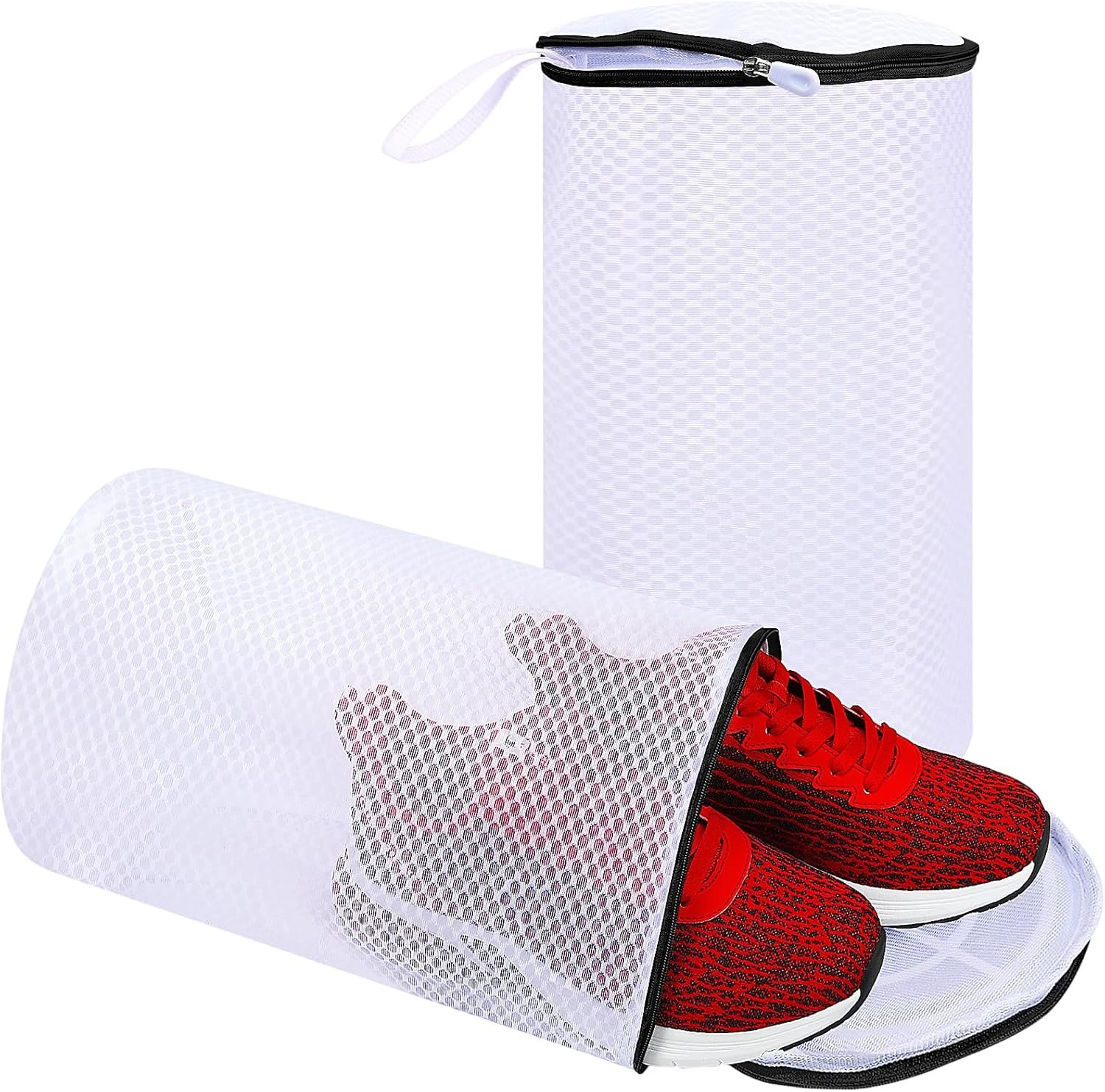
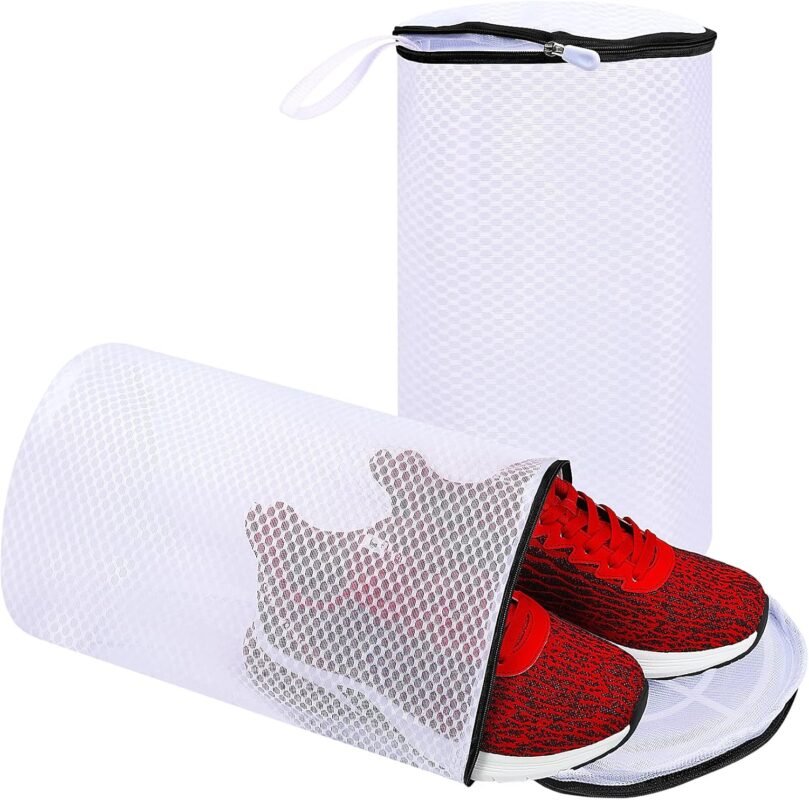
A shoe washing machine bag is a padded mesh bag that holds each trainer snugly through the cycle. It cushions the impact, stops laces tangling around other items, and keeps the shape of the shoe intact. Brush off loose mud first, remove the insoles and laces, wash on a cold, gentle cycle, and then — this part matters — let the trainers air-dry stuffed with newspaper or old towels. Never put them in the tumble dryer or on a radiator, where heat warps soles and shrinks uppers. Dried slowly, in shape, a pair of trainers can survive many washes and still look respectable.
De-pill and de-fuzz — rescue jumpers, don’t bin them
Pilling is what makes a perfectly good jumper look old. Those tiny balls of fibre form wherever fabric rubs against itself — under the arms, at the sides where a bag strap sits, anywhere there is friction. Most people assume a pilled jumper is finished. It is not. The fabric underneath is usually fine; it just needs the surface cleaned up.
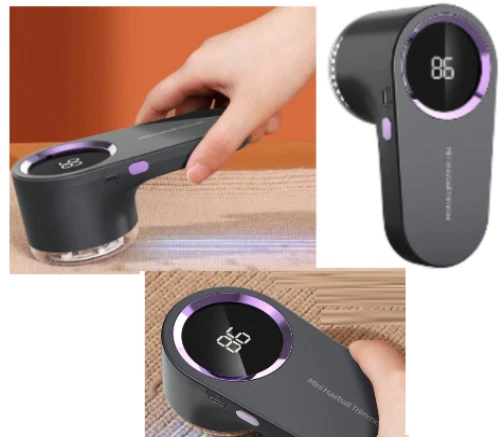
An electric lint remover glides over the fabric and shaves the pills away in minutes, leaving knitwear, coats and sofa cushions looking almost new. Work on a flat surface, keep the fabric taut, and use light, even strokes — pressing hard is how you thin the fabric. A quick pass every few weeks keeps pilling from ever building up, and it is far cheaper than replacing a jumper you actually like. Rechargeable models mean no hunting for batteries when you need it.
Hang it right — the hanger matters more than you think
Wire hangers are wardrobe vandals. They are too narrow for most garments, so jackets slide off, shoulders develop pointed peaks, and trousers crease where they drape over the thin bar. A wardrobe full of wire hangers quietly undoes all the care you took in the wash.

Velvet non-slip hangers solve all three problems at once. The flocked surface grips fabric so nothing slides to the floor, the slim profile saves a surprising amount of rail space, and the broader shoulder shape supports jackets and shirts properly. Trousers hang from the built-in bar without creasing. Swap a whole rail over in one go — a mixed rail of wire and velvet just means the wire ones keep causing the same damage — and you will notice the difference every morning when nothing has slipped off overnight.
Store out-of-season clothes properly — don’t just shove them away
Winter coats in summer and summer dresses in winter need somewhere to live, and the usual answer — a bin bag on top of the wardrobe — is how clothes pick up mustiness, moth damage and permanent creases. Anything stored damp or dirty will come back worse, so always wash and fully dry items before they go away.
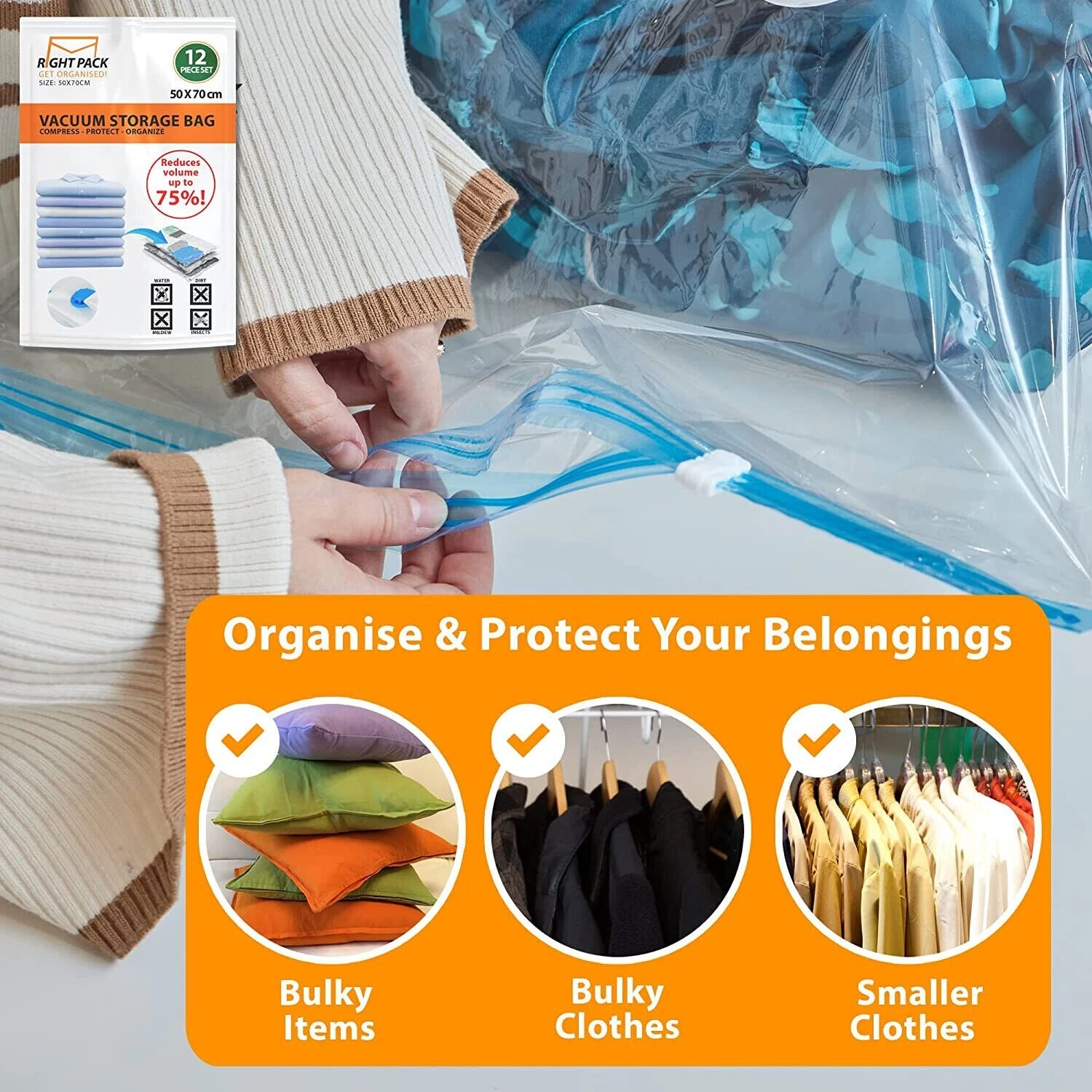
Vacuum storage bags compress bulky coats, duvets and knitwear to a fraction of their size, seal out dust, moisture and moths, and free up an astonishing amount of space. Fill the bag loosely rather than cramming it, vacuum the air out slowly, and seal it fully before stacking. One caution: do not vacuum-seal natural down or leather for long periods, as they need air to keep their loft and shape. For everything else, a sealed bag under the bed beats a dusty pile on top of the wardrobe every time.
Pet hair: deal with it before the wash, not after
Anyone who shares a home with a cat or dog knows the cycle: hair on the sofa, hair on the coat, hair in the washing machine, hair back on the clean clothes. Washing hairy clothes without removing the hair first just redistributes it, and a machine filter full of pet hair is a repair bill waiting to happen.
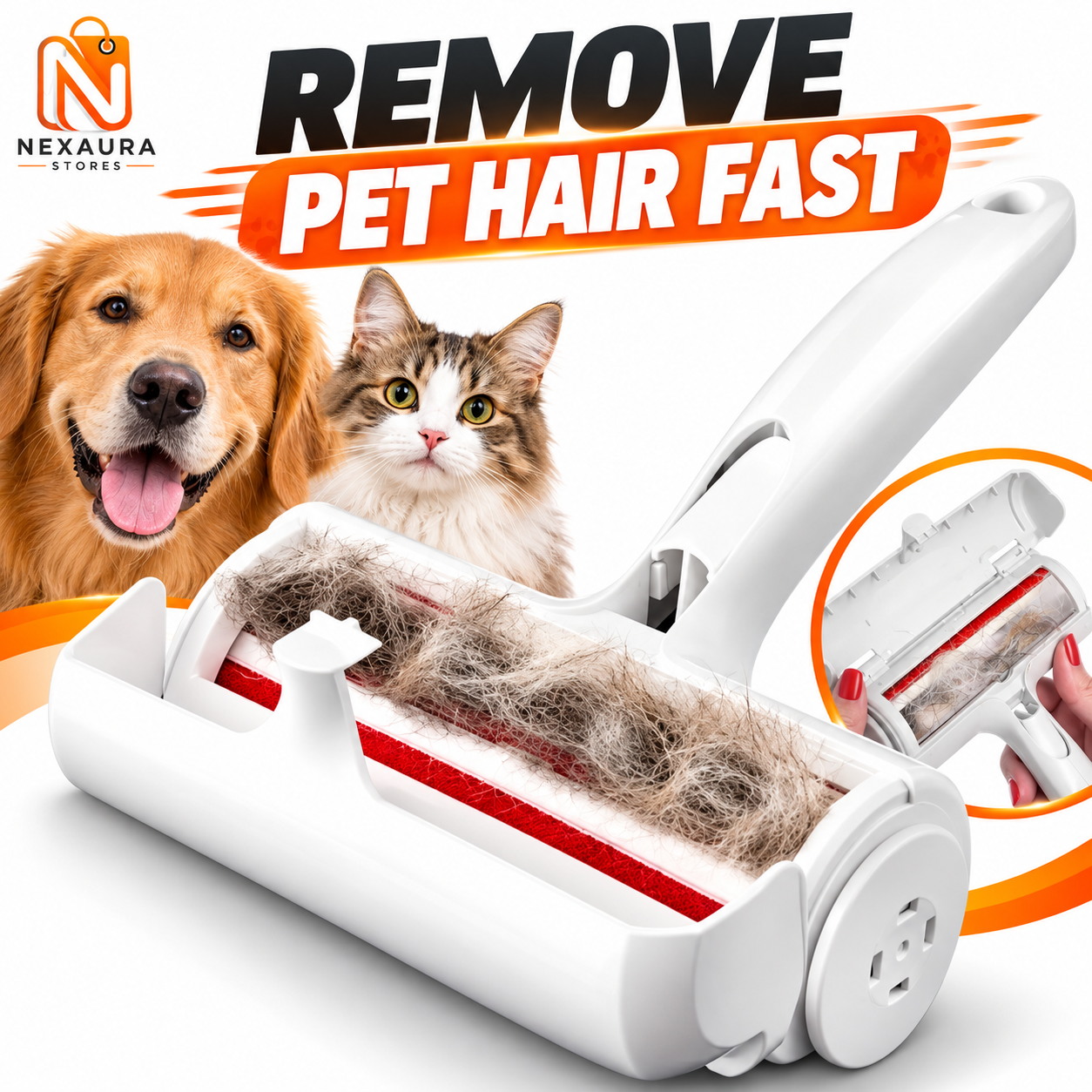
A quick roll with a reusable pet hair remover roller before clothes go in the drum breaks the cycle. Unlike disposable sticky rollers, it needs no refills and empties into a compartment you can tip straight in the bin. Use it on the sofa and the coat before you leave the house too, and the whole home stays noticeably less hairy. It is a small habit, but pet owners will feel the difference within a week.
OUR PICK
Shoe Washing Machine Bag – Protective Mesh Laundry Bag for Trainers
The tool that saves the most money per pound spent. Trainers are expensive, and one unprotected wash can finish a pair. This padded mesh bag keeps them cushioned, in shape and tangle-free through the cycle. If you buy one laundry tool this winter, make it this one.
Also worth adding to your laundry kit: the electric lint remover for reviving knitwear, velvet non-slip hangers for a tidier wardrobe, vacuum storage bags for out-of-season clothes, and the reusable pet hair roller for pet owners. Browse the full Home & Garden range for more everyday essentials.
Frequently asked questions
Can you really machine wash trainers?
Yes, most fabric and mesh trainers can be machine washed — but only inside a protective shoe washing bag, on a cold, gentle cycle, and air-dried afterwards. Leather trainers and shoes with glued soles that are already lifting should be hand cleaned instead.
How do I stop jumpers pilling?
Turn knitwear inside out before washing, use a gentle cycle, and avoid overloading the drum, which increases friction. Pilling that has already formed can be removed with an electric lint remover — it does not mean the jumper is worn out.
Are velvet hangers better than wooden ones?
For most everyday clothes, yes: velvet hangers grip fabric so nothing slips, take up far less rail space than wood, and support shoulders well. Heavy coats and tailored jackets still benefit from a sturdy wooden hanger, so use velvet for the everyday rail and wood for the heavyweights.
Do vacuum storage bags damage clothes?
For ordinary cottons, synthetics and knitwear, no — provided clothes are clean and fully dry before sealing. Avoid long-term vacuum storage for down-filled items and leather, which need air circulation to keep their shape and loft.
How do I keep pet hair out of the washing machine?
Roll clothes with a reusable pet hair remover before they go in the drum, and clean the machine filter regularly. Washing hairy clothes unrolled just moves the hair around and clogs the filter, so the pre-wash roll is the step that actually breaks the cycle.
KEEP CLOTHES LOOKING NEWER, LONGER
Shop Home & Garden at Nexaura Stores
Laundry tools, storage and everyday home essentials — secure checkout and UK delivery as standard.